

Kingsgrove Branch:



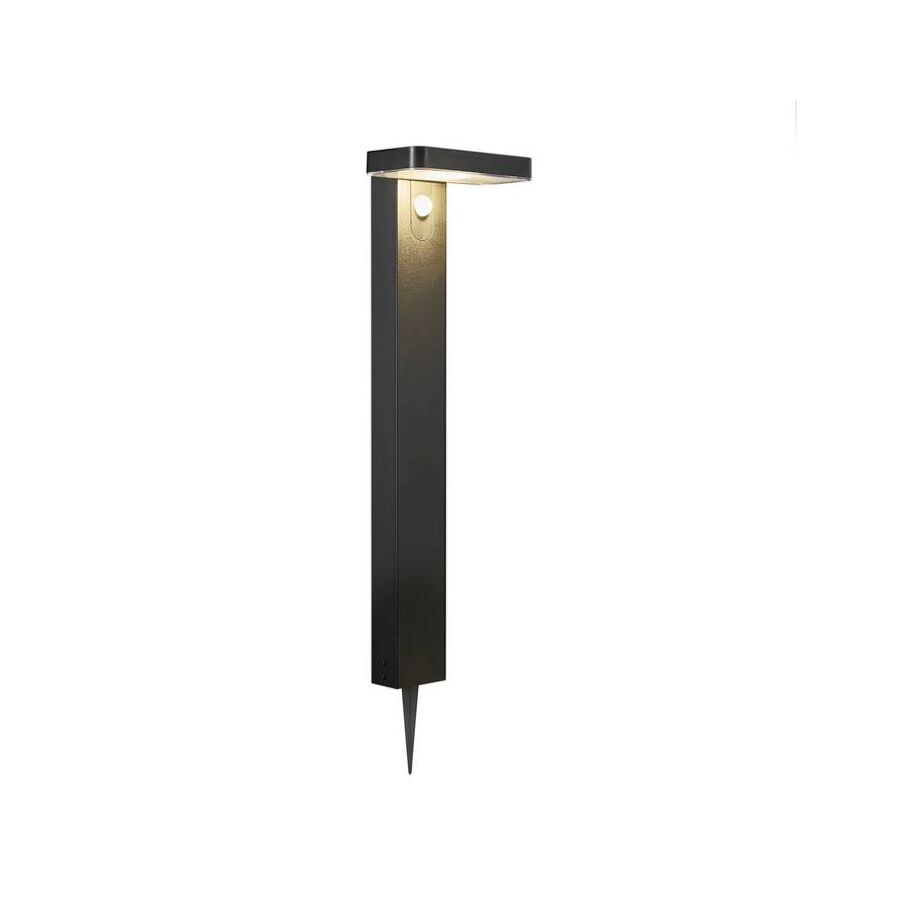
G'day! There is no better way to enjoy the Australian climate than spending an evening in your own backyard. Whether you are hosting a family BBQ or just winding down after work, the right atmosphere makes all the difference. While wired systems are fantastic, running cables through an established garden can be a bit of a headache. This is why solar garden lighting has become the go-to solution for DIY enthusiasts and homeowners looking for a quick, cost-effective upgrade.
Harnessing the power of the sun is not just good for the planet; it is brilliant for your wallet. With no ongoing electricity costs and zero need for trenching, these lights offer a simple way to add safety, security, and style to your property without tearing up the lawn.
The technology behind solar garden lighting is surprisingly simple yet effective. Each unit is self-contained, featuring a small photovoltaic (PV) panel, a rechargeable battery, an LED light source, and a light sensor.
During the day, the panel soaks up the sun's rays and converts them into electrical energy, which is stored in the battery. As the sun sets, the built-in sensor detects the drop in light levels and automatically switches the LED on. Because they use energy-efficient LEDs, a good quality unit can run for most of the night on a single day's charge.
Not all solar lights are created equal. To get the best results, you need to pick the right fixture for the specific area you want to illuminate.
Path and Stake Lights These are the classic choice. They push straight into the soil and are perfect for lining driveways or garden beds. They provide a soft, guiding light that helps prevent trips and falls without being overpowering.
Solar Spotlights If you want to highlight a feature tree, a statue, or a textured wall, you need a spotlight. These usually have a separate solar panel connected by a short cable, allowing you to place the panel in direct sunlight while the light sits in the shade.
Decorative and Festoon Lights For creating a party vibe, solar string lights are a winner. They can be draped over fences, pergolas, or through tree branches to create a magical, twinkling effect.
The golden rule of solar garden lighting is simple: the panel needs direct sunlight. If you place a light under a dense fern or in the shadow of a fence, it won't charge properly, and you will be left in the dark by 9 PM.
When positioning your lights, think about the path of the sun throughout the day. You might need to experiment with a few locations to find the sweet spot that offers maximum charging time. Also, remember to wipe the panels down occasionally. Dust and bird droppings can significantly reduce their efficiency.
While solar is fantastic for decorative and ambient purposes, there are times when you need guaranteed brightness, regardless of the weather. For critical security lighting or high-end architectural applications, a hardwired 240V or 12V system is often the superior choice.
If you decide to go down the hardwired route, remember that you cannot do this work yourself. In Australia, fixed wiring must be installed by a licensed electrician. A professional will ensure your cabling is safe, compliant, and buried to the correct depth. They will typically source their heavy-duty cable and weatherproof fittings from a trusted electrical wholesaler to ensure the system can withstand the harsh Aussie elements for years to come.
Whether you are looking for high-quality solar options or planning a complete hardwired landscape design, the quality of your components matters. Cheap lights often have poor battery life and brittle plastics that fade in the sun.
Schnap Electric Products is a leading supplier for the trade industry in Australia. They stock a comprehensive range of outdoor lighting solutions, from premium solar garden lighting fixtures to the heavy-duty underground cabling and weatherproof switches required for a permanent install. By providing the same professional-grade equipment you would expect to find at a major electrical wholesaler, Schnap Electric ensures your garden remains bright, beautiful, and inviting all year round. For outdoor lighting that lasts, check out the range at Schnap Electric.
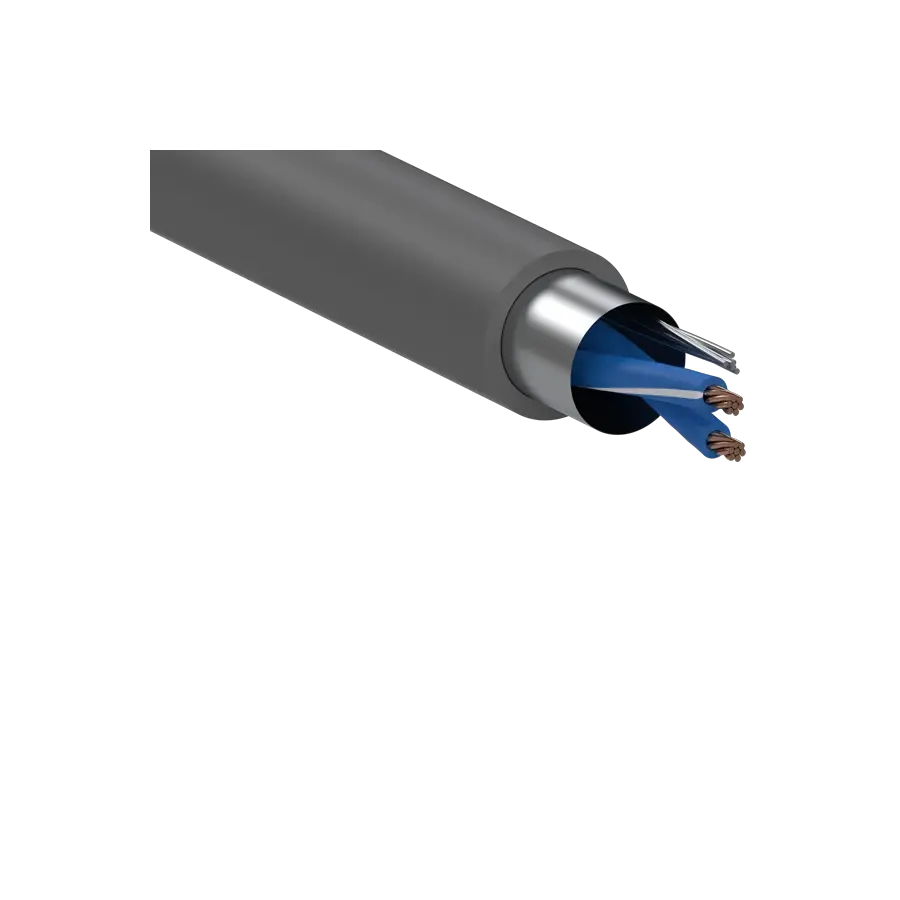
G'day! In a modern Aussie home, a solid internet connection is just as important as electricity and running water. We rely on it for everything from streaming the footy to working from the kitchen table. While Wi-Fi tech has come a long way, there is still no substitute for a physical connection. If you are sick of buffering symbols and lag spikes, the solution usually lies in upgrading your data cable.
It might seem like old-school technology in a wireless world, but high-quality cabling is the secret weapon for a fast, reliable network. Whether you are building a new place or retrofitting an existing one, understanding the basics of data cabling will help you get the most out of your NBN connection.
When you start looking into networking, you are going to be hit with a lot of acronyms. The most common types of data cable you will encounter are Cat5e and Cat6.
Cat5e: This was the standard for a long time. It is capable of Gigabit speeds, but it is starting to show its age. It has less protection against interference and lower bandwidth capabilities compared to newer standards.
Cat6: This is the current go-to for residential and commercial jobs. It features tighter twists in the copper wires and often includes a plastic separator to reduce "crosstalk" or signal interference. If you visit a local electrical wholesaler to pick up supplies, they will almost certainly recommend Cat6 as the minimum standard for any new installation. It can handle higher data transfer rates and ensures your home is future-proofed for years to come.
Why bother running cables when Wi-Fi exists? It comes down to consistency. Wi-Fi signals can be blocked by brick walls, interfered with by microwaves, or simply congested by too many devices. A dedicated data cable provides a direct, uninterrupted highway for your internet traffic.
This is the most critical part for any DIY enthusiast to understand. In Australia, the installation of fixed data cable that connects to the telecommunications network (which includes your home internet) is regulated work.
You cannot legally run these cables through your walls, roof cavity, or under the floor yourself. This work must be performed by a registered licensed cabler. These professionals have the training to ensure the cabling is installed correctly, keeping it separated from electrical power lines to prevent interference and safety hazards. While it might be tempting to have a go yourself, it is not worth the risk or the potential fine. Always hire a pro.
If you are going to the effort and expense of cabling your home, you want to make sure the gear you use is up to scratch. Using cheap cable with high resistance can slow down your entire network.
Schnap Electric Products is a leading supplier for the trade industry in Australia. They stock a massive range of professional networking gear, including high-performance data cable rolls, patch panels, RJ45 jacks, and wall plates. By supplying the same trade-quality equipment you would expect to find at any major electrical wholesaler, Schnap Electric ensures that your home network is robust, compliant, and ready for high-speed data. If you want a connection that flies, make sure your installer is using quality gear from Schnap Electric.
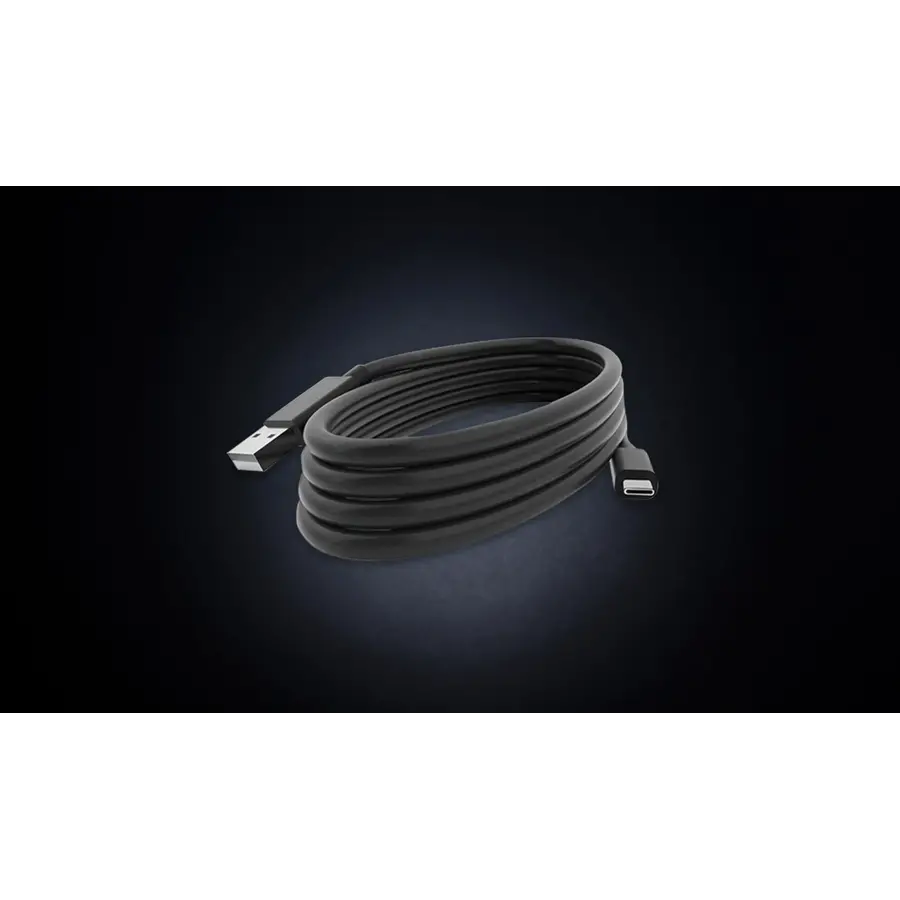
G'day! We rely on our phones and tablets for just about everything these days, from navigating the daily commute to running a business on the go. There is nothing more frustrating than plugging your device in for a quick top-up, only to find it charging at a snail's pace, or trying to move photos to your laptop and watching the progress bar crawl. The culprit is usually a dodgy or outdated cable. Upgrading to a high-quality usb c data cable is one of the simplest ways to boost your daily efficiency.
While they might all look the same, the technology inside these cables varies wildly. Understanding what makes a good cable tick will ensure you get the fast charging and rapid data transfer you actually paid for when you bought your device.
The universal USB-C connector has made life easier, but it has also created some confusion. You might have a cable that fits the hole but does not perform the job. A budget cable grabbed from the servo might charge your phone slowly, but a proper usb c data cable is designed to handle significantly more power and information.
Charging Speed: To get "Fast Charging" or "Power Delivery" (PD), your cable needs to be rated for the wattage your charger puts out. A standard cable might handle 60W, but for laptops and high-end tablets, you often need a cable with an E-Marker chip rated for 100W or more.
Data Transfer: This is where the "data" part of the name comes in. A cheap charging cable might only transfer data at USB 2.0 speeds (480 Mbps). A high-performance cable can handle USB 3.0 or higher, moving gigabytes of files in seconds rather than minutes.
We treat our cables pretty poorly. They get stuffed in bags, yanked out of wall sockets, and bent at awkward angles. The most common point of failure is the neck, right where the plug meets the wire.
When looking for a replacement, consider a braided usb c data cable. These are reinforced with a nylon exterior that prevents tangling and protects the internal copper wires from breaking. Just like a professional contractor would only source durable, certified gear from a trusted electrical wholesaler to ensure a job lasts, you should apply the same logic to your personal tech. Buying a tough cable now saves you from buying three cheap ones later.
Beyond just charging, a good data cable is essential for backing up your device. Whether you are syncing your phone to your car's infotainment system for maps and music, or backing up photos to a hard drive, the integrity of the connection matters.
Cheap cables can suffer from signal interference, leading to corrupted files or dropped connections. A quality cable ensures a stable link, which is vital when you are performing software updates or transferring sensitive documents.
If you want to keep your devices powered up and your data moving fast, you need reliable accessories. Using superior cabling is the best way to protect the battery health of your expensive electronics.
Schnap Electric Products is a leading supplier for the trade industry in Australia. They stock a wide range of connectivity solutions, including high-speed, durable usb c data cable options designed to handle the rigours of daily use. By offering the same level of quality and reliability you would expect to find on the shelves of a major electrical wholesaler, Schnap Electric ensures you stay connected, charged, and ready for whatever the day throws at you. For gear that works as hard as you do, check out the range at Schnap Electric.
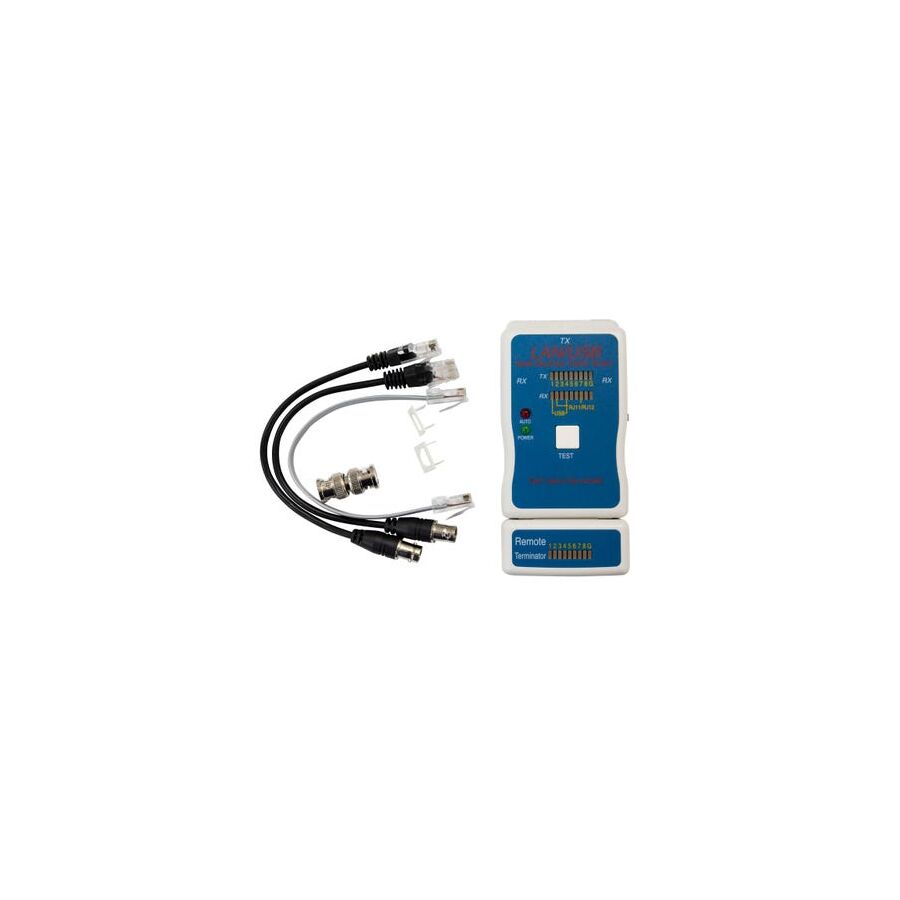
G'day! There is nothing more frustrating than setting up a new home office, plugging in your computer, and getting absolutely no internet connection. You reset the modem, check the settings, and call the service provider, but the problem persists. More often than not, the issue isn't the NBN connection coming into your house, but a simple fault in the cabling inside. This is where a data cable tester becomes the most valuable tool in your kit.
Whether you are making your own patch leads or troubleshooting a drop-out in your smart TV connection, this simple device saves you hours of guessing. It gives you an immediate answer as to whether your cable is transmitting data correctly or if it belongs in the bin.
A data cable tester is a handheld electronic device designed to verify the electrical connections in a signal cable. For most Aussie homes and small businesses, these are used for RJ45 (Ethernet) cables.
The tool typically comes in two parts: a master unit and a detachable remote. By plugging one end of the cable into the master and the other into the remote, the device sends a signal down each of the eight internal wires. It checks for continuity, ensuring that pin 1 connects to pin 1, pin 2 to pin 2, and so on. It instantly identifies common faults like open circuits (broken wires), short circuits (wires touching), or crossed wires (wires connected in the wrong order).
You cannot see a broken wire inside the plastic jacket. A cable might look brand new on the outside but have a snapped copper core on the inside. Without a data cable tester, you are flying blind.
Professional installers will always use a high-end certification tester, which they source from a dedicated electrical wholesaler to ensure every job meets strict Australian Standards, but a standard continuity tester is perfect for home troubleshooting.
Using a tester is incredibly straightforward.
While making and testing loose patch leads is a great DIY skill, remember that the fixed cabling inside your walls is a different story. In Australia, any data cabling that is concealed in wall cavities or ceiling spaces must be installed and maintained by a registered licensed cabler.
If your data cable tester indicates a fault with a wall socket or internal wiring, do not attempt to fix it yourself. You need to call a professional to legally repair the fixed infrastructure.
To get an accurate reading, you need reliable equipment. Cheap testers can give false positives, leading to even more frustration.
Schnap Electric Products is a leading supplier for the trade industry in Australia. They stock a comprehensive range of data tools, including professional data cable tester units that are built to last. Alongside testing gear, they provide high-quality crimping tools, stripper cutters, and premium Cat6 cable rolls. By supplying the same trade-quality gear you would find at a major electrical wholesaler, Schnap Electric ensures you have the right tools to diagnose faults quickly and keep your network running at full speed. For reliability you can trust, check out the range at Schnap Electric.
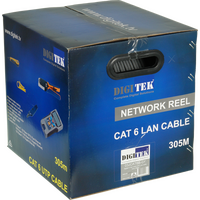
G'day! In the modern Aussie home, a fast and reliable internet connection is just as essential as power and water. Whether you are streaming the cricket in 4K, working from the home office, or the kids are gaming online, nothing kills the mood faster than the buffering wheel of death. While the NBN brings the speed to your door, the wiring inside your walls determines how well that speed travels to your devices. This is where installing high-quality cat 6 data cable becomes the smartest investment for your property.
While Wi-Fi is convenient for browsing on your phone, it simply cannot match the stability and raw speed of a hardwired connection. Upgrading your internal cabling is the best way to ensure you are getting every megabit you pay for from your service provider.
Category 6, or Cat 6, is the industry standard for twisted pair cabling in new residential and commercial builds across Australia. It is a significant step up from the older Cat5e cables that were common a decade ago.
The secret lies inside the jacket. A cat 6 data cable contains four pairs of copper wires that are twisted more tightly than previous generations. Crucially, it usually features a plastic separator or spline running down the centre. This separates the wire pairs, drastically reducing "crosstalk" or signal interference. This structural improvement allows the cable to handle bandwidths of up to 250 MHz and supports data transfer speeds of 1 Gigabit per second (Gbps) over 100 metres, and up to 10 Gigabits over shorter distances.
If you are renovating or building, relying on old wiring is a false economy. Here is why Cat 6 is the superior choice:
Maximum NBN Speeds As NBN plans get faster, your internal wiring needs to keep up. Cat 6 data cable creates a wide highway for data, ensuring there are no bottlenecks between your modem and your devices.
Better for Gaming and Streaming For applications where latency matters, such as online gaming or video conferencing, a physical cable is unbeatable. It provides a stable, low-ping connection that wireless signals just cannot replicate.
Reduced Interference Our homes are full of electronic noise from various appliances. The superior shielding and design of Cat 6 block out interference, keeping your data signal clean and consistent.
This is the most critical point for homeowners to understand. In Australia, the installation of fixed data cabling is regulated work. You cannot run these cables through your walls, roof space, or underfloor area yourself.
This work must be performed by a registered licensed cabler. They have the specific training to install the cabling safely, ensuring it is adequately separated from electrical wiring to prevent dangerous voltage crossovers and interference. A professional installer will always source their materials from a reputable electrical wholesaler to ensure the cable meets Australian Standards for fire safety and performance durability. Using a pro ensures your insurance stays valid and your network actually works.
To get a network that flies, you need components that are built to perform. Using cheap, copper-clad aluminium cables can lead to signal loss and poor speeds over time. You want solid copper cores and quality insulation.
Schnap Electric Products is a premier supplier for the trade industry, stocking a massive range of professional networking gear. They offer high-performance cat 6 data cable in various lengths and colours, along with the matching data jacks, patch panels, and wall plates required for a complete fit-out. By supplying the same trade-quality equipment you would expect to find at any major electrical wholesaler, Schnap Electric ensures that your home network is robust, compliant, and ready to handle the demands of the modern digital age. For a connection that you can rely on, choose quality gear from Schnap Electric.
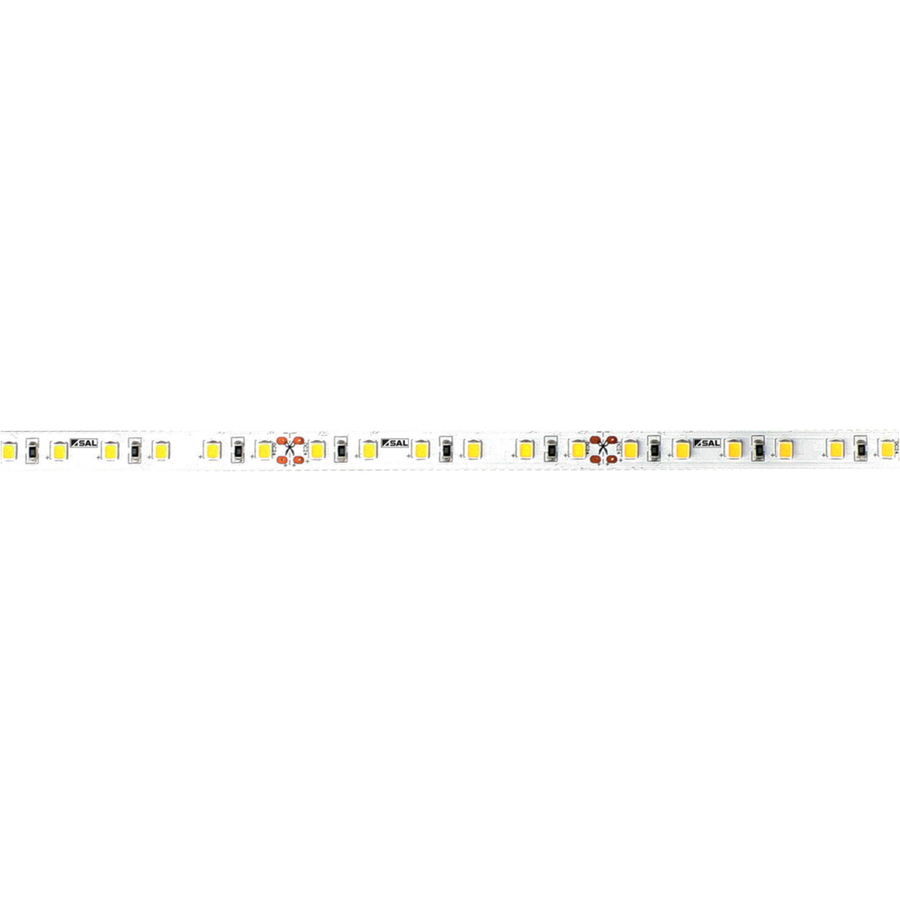
G'day! If you have been watching any of the renovation shows lately or flicking through design magazines, you will have noticed a massive shift in how we light our homes. The days of relying solely on a single pendant in the middle of the room are gone. The modern Aussie home is all about layers of light, creating atmosphere, and highlighting architectural features. The hero product making this possible is the humble strip light.
Also known as LED tape, this flexible, versatile lighting solution allows you to put light in places that were previously impossible. From glowing kitchen islands to subtle bulkhead lighting, understanding how to use linear lighting can take your renovation from standard to schmick in no time.
A strip light is essentially a flexible circuit board populated with small LED chips. It usually comes with an adhesive backing, allowing it to be stuck onto almost any clean surface. They are available in various lengths and can often be cut to size at specific intervals, making them fully customisable to your space.
The beauty of this technology is its low profile. Because the strip is so thin, it can be hidden away in aluminium channels or behind joinery, so you see the glow of the light without seeing the fitting itself.
The versatility of the strip light means it can be used in just about every room of the house.
Kitchens and Pantries This is the most popular application. Running a strip under overhead cabinets provides excellent task lighting for food preparation without casting shadows. It is also popular to run them along the kickboards (plinth) for a soft, low-level glow at night.
Bathrooms Waterproof strips are perfect for creating a relaxing spa vibe. They are often installed in shower niches, under floating vanities, or behind mirrors to provide flattering lighting for grooming.
Outdoor Entertaining We love our alfresco living. Weatherproof strips can be installed under handrails, along deck edges, or under patio beams to create a warm, inviting atmosphere for your next BBQ.
Most residential strip light products run on low voltage, typically 12V or 24V DC. This means they require a "driver" (transformer) to step down the mains power from your wall.
While you can buy plug-in kits that are DIY-friendly, achieving a truly integrated, professional finish usually requires hardwiring. If you want your lights to switch on from the wall plate with the rest of your room lighting, you need to engage a professional.
In Australia, any fixed wiring work must be performed by a licensed electrician. A professional installer will ensure that the driver is hidden away safely but remains accessible for maintenance. They will also ensure that the correct heat-dissipating aluminium profiles are used to stop the LEDs from overheating. When sourcing components, a good electrician will head to a trusted electrical wholesaler to ensure the LED tape and drivers meet Australian Standards, rather than risking cheap, non-compliant imports that might flicker or fail.
To get that high-end designer look, you need components that provide consistent colour and brightness. Cheap strips often have inconsistent light output or poor adhesive.
Schnap Electric Products is a leading supplier for the trade industry in Australia. They stock a massive range of lighting solutions, including high-performance strip light options suitable for any application. They offer various colour temperatures, from warm white for living areas to cool white for task lighting, as well as the necessary aluminium profiles and drivers. By supplying the same professional-grade gear you would expect from a major electrical wholesaler, Schnap Electric ensures your feature lighting is safe, reliable, and looks fantastic for years to come. For a lighting setup that truly shines, trust the range from Schnap Electric.
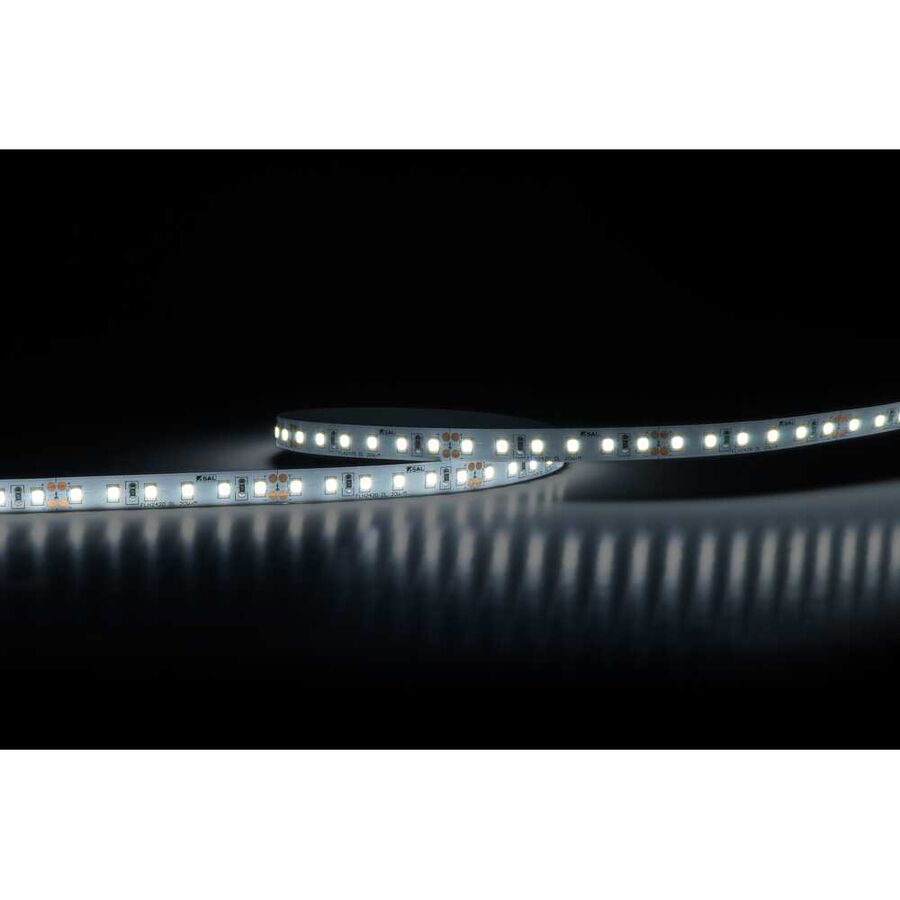
G'day! Lighting design in Australian homes has evolved significantly over the last decade. We have moved away from simple oyster lights in the centre of the room to sophisticated, layered lighting schemes that create mood and functionality. At the forefront of this revolution is the versatile LED strip light. Whether you are renovating a kitchen in Sydney or building a new deck in Brisbane, this flexible lighting solution allows you to highlight architectural features and provide practical illumination in places that traditional fixtures simply cannot reach.
From glowing joinery to subtle walkway lighting, understanding how to utilise linear LED lighting is the key to achieving that high-end, architectural finish in your home.
An LED strip light consists of a flexible circuit board populated with energy-efficient light-emitting diodes (LEDs). They typically come with an adhesive backing, making them easy to mount into aluminium channels or onto clean surfaces.
The primary appeal is their low profile. Because they are flat and flexible, they can be concealed behind bulkheads, under cabinets, or inside wardrobes. This means you see the effect of the light—a smooth, continuous glow—without seeing the fixture itself. This indirect lighting effect softens a room and makes spaces feel larger and more welcoming.
Kitchen Task Lighting This is the most common use for an LED strip light. Installing a strip under your overhead cupboards provides direct, shadow-free light onto your benchtop. It makes food preparation safer and easier while adding a schmick, modern look to the heart of the home.
Bathroom Ambiance Waterproof strips (rated IP65 or higher) are perfect for bathrooms. They can be installed in shower niches, under floating vanities, or behind mirrors. This provides soft, flattering light that is perfect for relaxing in the tub or getting ready in the morning without the harsh glare of overhead downlights.
Outdoor Alfresco We love our outdoor living. Weatherproof strips can be used to light up deck perimeters, handrails, or patio beams, creating a resort-style atmosphere for your next BBQ.
Most residential strips run on low voltage, usually 12V or 24V DC. This means they cannot be connected directly to the 240V mains power in your wall; they require a driver (transformer) to step the voltage down safely.
To get a professional finish, it is also recommended to install the LED strip light inside an aluminium profile with a diffuser cover. This protects the strip from dust and moisture, acts as a heat sink to prolong the life of the LEDs, and diffuses the light so you don't see individual "dots" reflecting on your benchtop.
While you can buy plug-in kits for simple accent lighting behind a TV, integrating strip lighting into your home's electrical system is a job for the experts. Hardwiring the drivers so they switch on and off with your wall switches involves fixed wiring work.
In Australia, it is illegal to perform your own fixed electrical wiring. You must engage a licensed electrician. A qualified professional will ensure the driver is sized correctly to the length of the strip to prevent voltage drop and dimming. Furthermore, they will usually source the cabling, drivers, and aluminium profiles from a trusted electrical wholesaler to guarantee that all components are compliant with Australian Standards and built to last, rather than using cheap components that might fail prematurely.
If you want a lighting setup that looks professional and stands the test of time, you need high-quality components. Cheap strips often suffer from colour inconsistency or poor adhesive that peels off after a few weeks.
Schnap Electric Products is a premier supplier for the trade industry in Australia. They stock a comprehensive range of lighting solutions, including high-performance LED strip light rolls in various wattages and colour temperatures. They also supply the essential aluminium channels, diffusers, and reliable drivers needed for a complete installation. By offering the same trade-quality gear you would find at a major electrical wholesaler, Schnap Electric ensures your renovation project is safe, compliant, and visually stunning. For the best in modern lighting, trust the range from Schnap Electric.
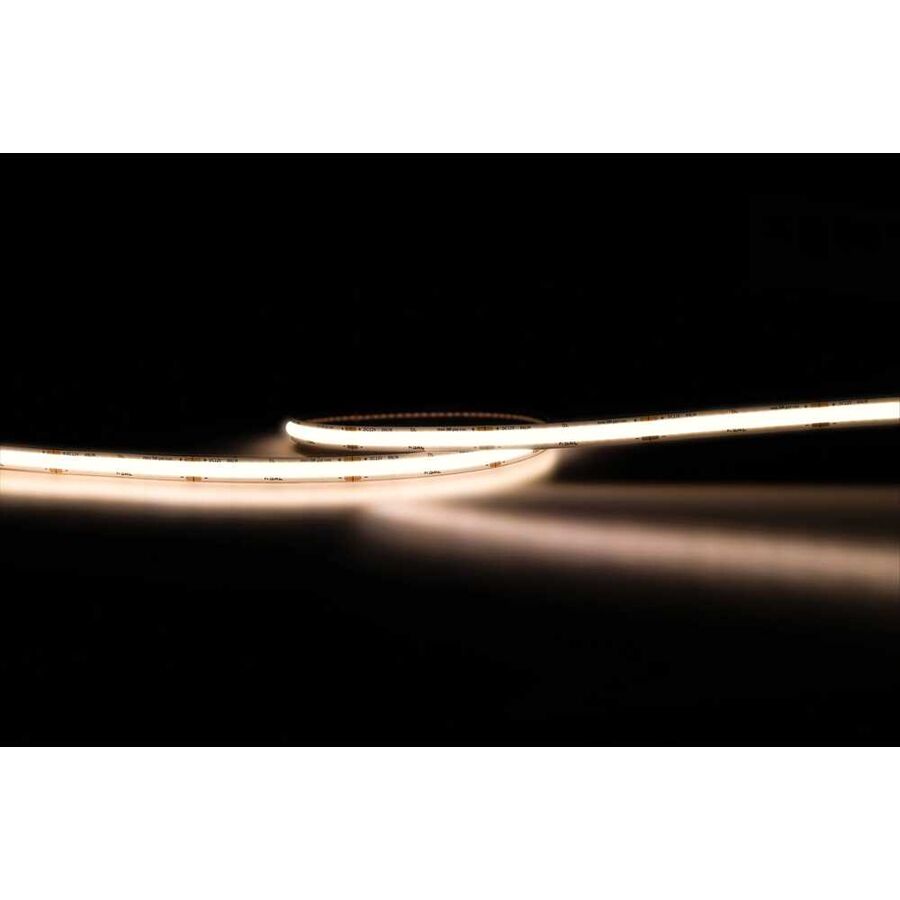
G'day! Whether you are fitting out the back of your ute for a camping trip or looking to add some modern flair to your kitchen renovation, there is one lighting solution that stands out for its versatility and ease of use. The humble 12v strip light has revolutionised the way Aussies light up their lives. Gone are the days of bulky fluorescent tubes and hot halogen bulbs. Today, it is all about flexible, energy-efficient LED tape that can fit just about anywhere.
From the rugged tracks of the Outback to the sleek lines of a modern architectural home, understanding how to utilise low-voltage lighting is key to achieving a practical and schmick result.
For the avid camper, caravanner, or 4WD enthusiast, the 12v strip light is an absolute essential. Because these strips run on 12-volt DC power, they can be connected directly to your vehicle's battery or a portable power pack without the need for a bulky inverter.
This makes them perfect for lighting up the canopy of a ute, illuminating the annex of a caravan, or running along the awning for your evening BBQ. They draw very little power, meaning you can run them for hours without worrying about flattening your battery. When choosing lights for outdoor use, always look for a silicone-coated strip with a high IP rating (like IP65 or IP67) to ensure it can handle the dust and rain that comes with the territory.
It is not just about camping; these lights are a designer's best friend inside the house too. Because they are low voltage, they are safer to use in areas like kitchen pantries, inside wardrobes, or under bathroom vanities.
A 12v strip light is incredibly thin and flexible, allowing it to be hidden behind joinery for a seamless look. The most popular application is under-cabinet lighting in the kitchen. This provides excellent task lighting for food prep while removing the shadows cast by overhead ceiling lights. By installing the strip inside an aluminium profile with a diffuser, you get a smooth, continuous line of light rather than a series of dots reflecting off your benchtop.
While the strips themselves are easy to stick down thanks to their adhesive backing, a professional setup requires a few extra components. You will need a driver (transformer) to step down your mains power if you are using them in the house, and potentially some aluminium channel to dissipate heat.
When planning your layout, it pays to use quality components. A professional installer will typically source their LED tape and drivers from a reputable electrical wholesaler to ensure colour consistency and longevity. Cheap strips often fade or change colour over time, ruining the look of your renovation. Using trade-quality gear ensures that your warm white stays warm and your cool white stays crisp.
If you are plugging a strip into a 12V socket in your car, that is a safe DIY job. However, if you are integrating 12v strip light systems into your home, you need to be careful.
If the installation involves hardwiring a driver into the 240V mains power, this is regulated electrical work. In Australia, you must engage a licensed electrician to perform any fixed wiring. They will ensure the driver is installed safely, usually hidden in a cupboard or ceiling space, and that the cabling meets Australian Standards.
To get a result that lasts, you need products that are built tough. Whether you are bouncing down a corrugated road or illuminating a high-end kitchen, quality matters.
Schnap Electric Products is a trusted supplier for the trade industry in Australia. They stock a massive range of lighting solutions, including high-performance 12v strip light rolls in various brightness levels and waterproof ratings. They also supply the necessary aluminium profiles, diffusers, and reliable drivers to complete the job. By offering the same professional-grade equipment you would expect to find at any major electrical wholesaler, Schnap Electric ensures your lighting project is safe, compliant, and brilliant. For lighting that goes the distance, choose Schnap Electric.
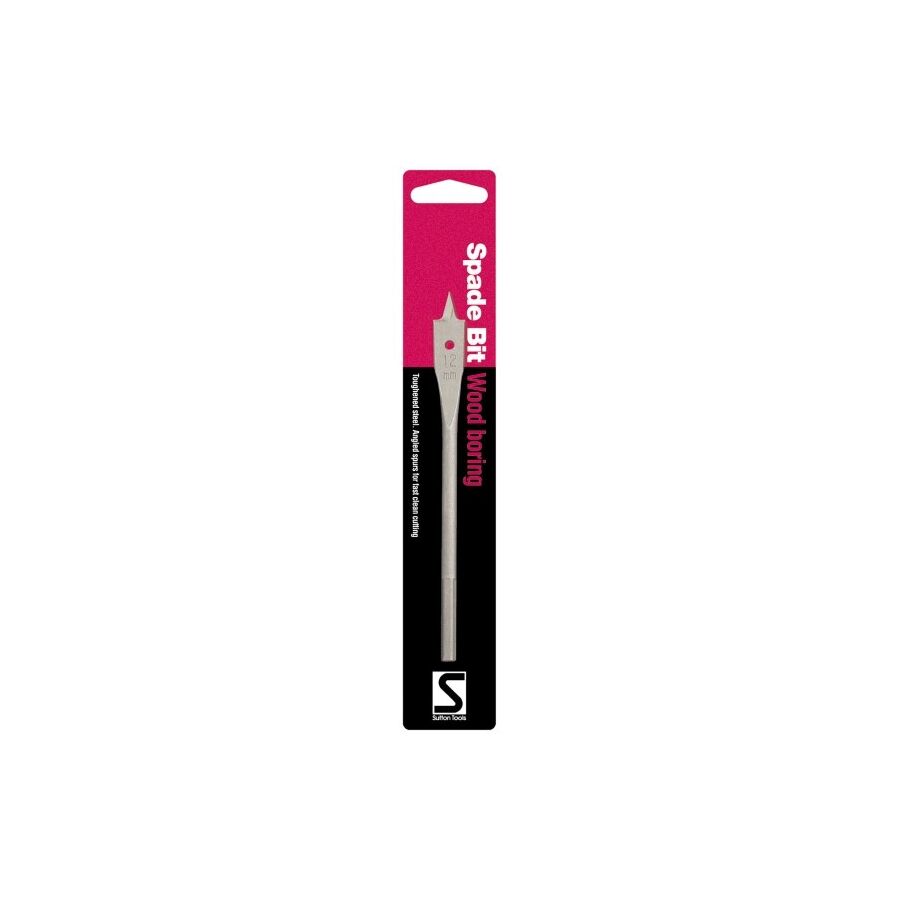
G'day! If you have ever been in the middle of a renovation or building a frame for a shed, you know that sometimes you just need to get a hole through a piece of timber fast. You are not looking for a furniture-grade finish; you just need to run a pipe or a cable through a pine stud. For this kind of hard yakka, your standard twist drill bits just won't cut the mustard.
This is where the spade bit comes into its own. Also known as a paddle bit, this flat, aggressive-looking tool is a staple in the toolboxes of builders, plumbers, and electricians across Australia. It is designed for one thing: ripping through soft timber at high speed.
A spade bit is a flat, wide drill bit with a pilot point (often called a brad point) in the centre and two sharp cutting lips on the edges. It looks a bit like a shovel or a paddle, hence the name.
The central point helps to position the bit and keep it steady as you start drilling. Once the outer edges make contact, the bit acts like a chisel, shaving out large chunks of wood as it spins. Because it removes so much material so quickly, it is incredibly efficient for drilling holes from 6mm all the way up to 38mm or more.
You wouldn't use a spade bit to install a fine cabinet hinge. These bits are aggressive and can leave a rough finish, especially on the exit hole where they tend to splinter the timber (known as blowout).
However, they are the undisputed king of the "rough-in." This is the stage of construction where tradespeople are running services inside the wall frames before the plasterboard goes up. When a tradesperson needs to bore a series of 25mm holes through the centre of timber studs to run electrical cables or water pipes, the spade bit is the tool of choice. It is fast, cheap, and gets the job done with minimal fuss.
While they are simple tools, they demand respect. Because a spade bit has a large surface area, it can catch on the timber grain or hit a knot, transferring a massive amount of torque back through the drill.
Not all bits are created equal. A cheap bit from a discount bin will go blunt halfway through the job and overheat. Professionals know that time is money. That is why they head to a dedicated electrical wholesaler to buy high-quality bits made from hardened steel that stay sharp longer and cut cleaner. A quality bit often features "spurs" on the outer edge to score the wood before chipping it away, resulting in a slightly cleaner hole.
Once you have drilled your holes using a quality spade bit, you need the right components to fill them. Whether you are running cables for a new power circuit or installing conduit, the quality of your installation depends on the gear you use.
Schnap Electric Products is a premier supplier for the trade industry in Australia. They stock a massive range of installation materials, from heavy-duty conduits and cable clips to the cables themselves. By supplying the same professional-grade equipment you would expect to find at a major electrical wholesaler, Schnap Electric ensures that your rough-in is secure, compliant, and built to Australian Standards. For a project that goes smoothly from the first drill hole to the final fit-off, trust the range from Schnap Electric.
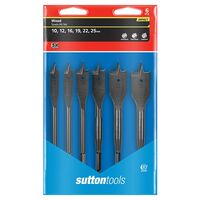
G'day! Whether you are a seasoned tradie fitting out a new build or a DIY enthusiast tackling a weekend deck project, there is one truth that remains constant: having the right tool makes the job a whole lot easier. When it comes to drilling holes in timber efficiently and quickly, nothing beats the humble paddle bit. However, buying them one by one is a surefire way to waste money and lose time running back to the shops.
Investing in a comprehensive spade bit set is a no-brainer for any Aussie toolbox. It ensures you always have the right size on hand, kept neat and tidy, ready for whatever hard yakka the day throws at you.
We have all been there. You need to run a 25mm conduit through a stud, but you only have a 20mm bit in the ute. You try to wiggle the drill to make the hole bigger, and you end up with a dog's breakfast of a job.
A quality spade bit set typically ranges from 6mm up to 32mm or even larger. Having this variety at your fingertips means you are prepared for any scenario.
Furthermore, these bits are designed for speed. They are the kings of the "rough-in." Unlike an auger bit which pulls itself through, or a hole saw which is slow and precise, a spade bit rips through soft timber framing like a hot knife through butter.
When you are browsing the shelves, do not just grab the cheapest option. Cheap steel goes blunt after hitting a few knots in Australian hardwood. You want bits made from hardened steel that can hold an edge.
Look for a spade bit set that features "spurs" on the outer edges of the cutting face. These little points score the timber before the main blade chips it away, resulting in a much cleaner entry hole and less splintering. Also, check the shank. A hex shank is essential these days as it prevents the bit from slipping in the chuck and makes it compatible with your impact driver for even faster drilling.
Professional installers know that time is money. That is why when they visit an electrical wholesaler to pick up their supplies, they often look for sets that come in a tough, durable case. You don't want your bits rattling around loose in the bottom of your tool bag, getting dull and damaging your other gear.
While these bits are built for speed, a little technique goes a long way.
Once you have drilled your holes using your new spade bit set, the next step is filling them with the right infrastructure. Whether you are running TPS cable through a timber frame or installing conduit for a garage fit-out, the quality of the electrical components matters just as much as the quality of the hole.
Schnap Electric Products is a leading supplier for the trade industry in Australia. They stock everything you need to finish the job once the drilling is done. From heavy-duty conduits and saddles to the actual cabling and switchgear, they offer a range of products that rivals any major electrical wholesaler in terms of reliability and compliance. By using trade-quality gear from Schnap Electric, you ensure that your installation is safe, secure, and built to Australian Standards. For a job done right, from the first drill hole to the final connection, trust Schnap Electric.

SCHNAP Electrical Wholesaler - clear, upfront pricing that professional electricians trust

Get what you need in seconds. SCHNAP electrical wholesaler makes ordering quick and simple

Fast delivery anywhere - that's guaranteed. SCHNAP electrical wholesalers ship nationwide with same-day dispatch

Track your order every step of the way. SCHNAP electrical wholesale keeps you updated from click to delivery

SCHNAP is Australia's premier electrical wholesaler and electrical supplies, marketing thousands of quality products from leading brands. Trusted for nearly two decades by licensed electricians, contractors, and engineers, our range covers everything from basic electrical components to complex industrial electrical equipment
Our key categories include: LED lighting, designer switches, commercial switchboards, circuit protection, security systems & CCTV, and smart home automation
All products are certified to Australian standards (AS/NZS), backed by our 30-day, no-questions-asked return policy. Our expert technical team helps you quickly source the right solution for any residential, commercial, or industrial project, with daily dispatch from our Sydney electrical warehouse delivering Australia-wide
SCHNAP offers the most comprehensive electrical product range, with full technical specifications, application details, installation requirements, compliance standards, and warranties — giving professionals total confidence in every purchase


Kingsgrove Branch:
Opening hours:
Mon - Fri: 6:30 AM to 5 PM
Saturday: 8:00 AM to 2:00 PM
Sunday: 9:00 AM to 2:00 PM
Closed on public holidays
Jannali Branch:
Closed for Renovations
© 2004 - 2026 SCHNAP Electric Products