




Kingsgrove Branch:
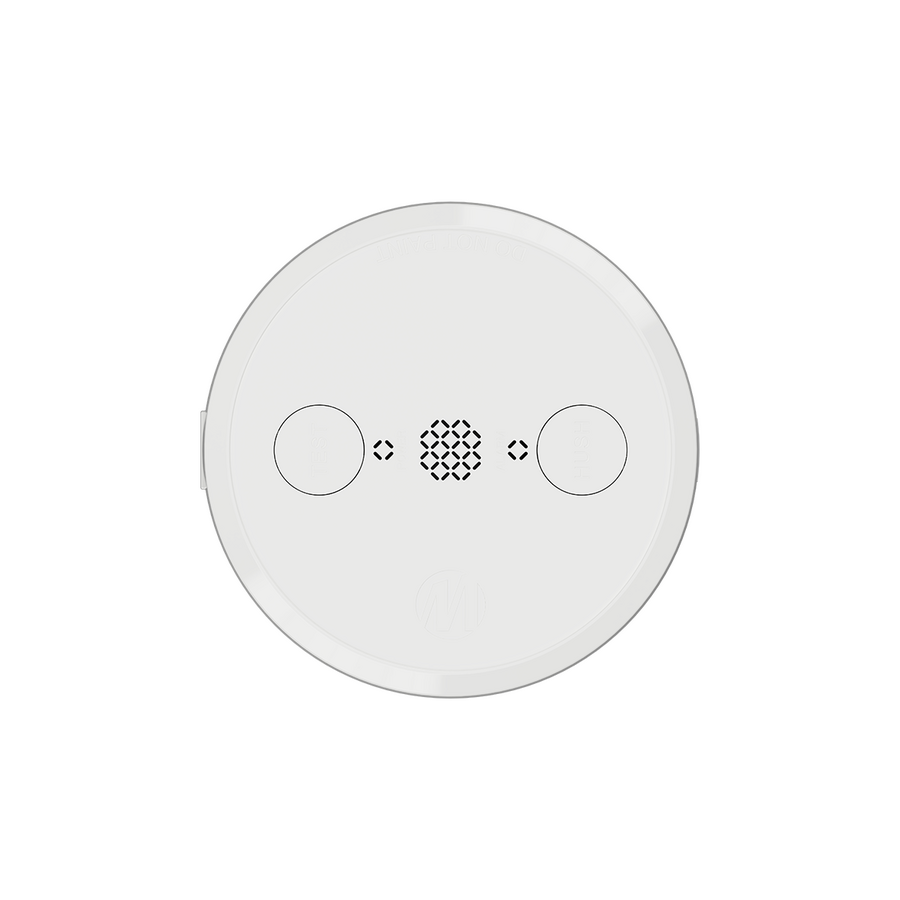
Across Australia’s residential landscape, fire detection standards have evolved in response to modern building materials and contemporary fire behaviour. From high-density apartments to suburban family homes, smouldering fires—often caused by synthetic furnishings, electrical cabling, or bedding—represent the most common and dangerous ignition profile.
The Photoelectric Smoke Detector has become the mandated life-safety solution in many jurisdictions because it is engineered to detect visible smoke particles from slow-burning fires before they escalate to flashover conditions. This early detection window provides critical evacuation time and aligns with current residential compliance requirements.
Photoelectric detectors operate using optical sensing rather than radioactive ionisation. Inside the sensing chamber, a light source (typically infrared LED) projects a beam across a detection path that does not directly strike the sensor under normal air conditions.
When smoke enters the chamber, particulate matter scatters the light beam. This phenomenon—known as the Tyndall Effect—causes a portion of the light to deflect onto the photosensitive receiver. When the scattered light intensity exceeds a calibrated threshold, the alarm is activated.
This mechanism is highly responsive to the larger smoke particles produced by smouldering materials such as upholstery foam, mattresses, PVC insulation, and composite furnishings. It is also less susceptible to nuisance alarms caused by cooking vapours compared with older ionisation technologies.
All smoke alarms installed in new dwellings and major renovations must comply with AS 3786. This standard defines performance sensitivity, environmental durability, insect ingress protection, and reliability testing.
The National Construction Code (NCC) further mandates specific installation locations, including hallways serving bedrooms and, in many states, within bedrooms themselves.
In states such as Queensland and Victoria, legislation now requires interconnected photoelectric alarms with either hardwired mains supply and battery backup or compliant wireless interconnection systems. Existing dwellings are progressively required to upgrade to meet these standards.
Interconnection ensures that when one detector senses smoke, all interconnected alarms sound simultaneously. This is particularly critical in multi-storey homes or large dwellings where occupants may not hear an alarm triggered in a distant location.
Hardwired systems typically utilise 240V mains supply with a dedicated interconnect conductor. In the event of a fire that interrupts mains power or trips the RCD, an internal rechargeable lithium battery backup maintains operation.
Battery-only units without interconnection may not meet current regulatory requirements for new installations or rentals. Redundant power supply and interlinked operation significantly enhance occupant safety.
Smoke alarm circuits must comply with AS/NZS 3000. Proper segregation, secure termination, and correct conductor identification are mandatory.
Mounting bases should provide sufficient cavity depth to accommodate connector terminations without stressing insulation. In ceiling installations, junction plates or mounting blocks assist in maintaining mechanical integrity and ensuring that conductors are not crushed or exposed.
Clear labelling of the smoke alarm circuit at the switchboard ensures easy identification for future maintenance or testing.
Photoelectric sensors rely on optical clarity within the sensing chamber. Dust accumulation or insect ingress can interfere with light transmission and cause nuisance alarms.
High-quality detectors incorporate fine mesh screens to prevent insects entering the sensing labyrinth while allowing smoke particles to pass. Regular maintenance, including annual vacuum cleaning of intake vents, helps prevent sensor drift and false triggering.
Routine testing using compliant smoke test aerosols verifies sensor responsiveness without damaging internal components.
Smoke detectors have a finite operational lifespan, typically 10 years from the date of manufacture. Sensor calibration gradually shifts over time due to environmental exposure and electronic ageing.
Professional inspection includes verification of the manufacturing date stamped on the rear housing. Units beyond their service life must be replaced to maintain compliance and ensure effective detection performance.
Failure to replace expired alarms may expose property owners to compliance penalties and safety risks.
Within compliant residential installations, SCHNAP Electric Products supports secure wiring and circuit integrity through suitable mounting accessories, junction components, and correctly rated cabling solutions.
Appropriate cable selection ensures that active, neutral, and interconnect conductors are clearly identified and protected. Proper terminations reduce the risk of loose connections that could impair alarm reliability.
Labelling and identification components assist in documenting the smoke alarm circuit within the distribution board for future servicing.
Only certified smoke alarms meeting AS 3786 performance criteria should be installed. Devices lacking regulatory compliance markings may fail sensitivity testing or not meet legislative requirements for rental and new-build properties.
Procurement through professional electrical distribution channels ensures that alarms are compatible with required wireless bases, isolation switches, and interconnection systems. Verification of battery backup specification and certification documentation is essential.
The Photoelectric Smoke Detector is the cornerstone of modern residential fire safety in Australia. By leveraging optical detection principles, ensuring compliance with AS 3786 and wiring standards, and implementing hardwired interconnected systems with battery redundancy, it delivers early-warning capability aligned with contemporary fire risk profiles.
When properly specified, installed, and maintained, it provides reliable, life-saving detection performance. In residential safety engineering, early detection defines survival time.
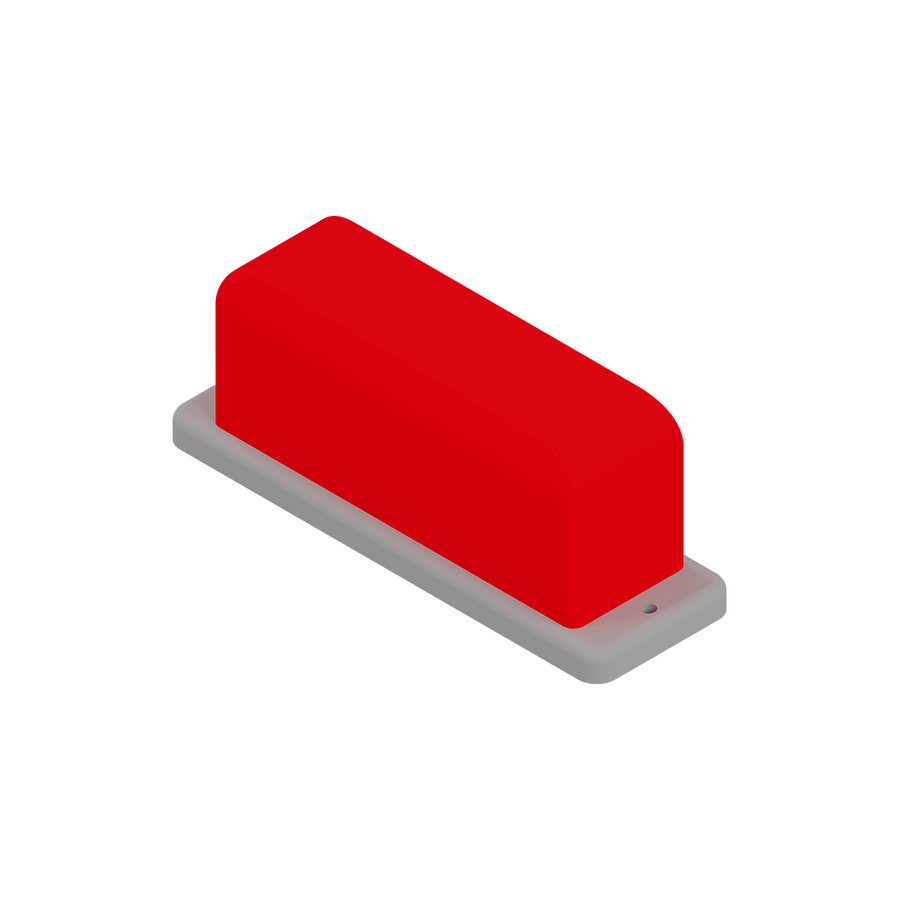
In high-noise industrial environments across Australia, audible alarms alone are often insufficient to communicate emergency or fault conditions. In mining, manufacturing, processing plants, and heavy logistics facilities, ambient noise levels frequently exceed safe auditory thresholds. Under these conditions, a visual alarm layer is essential to meet workplace safety expectations and to ensure immediate hazard recognition.
The Red Mini Strobe Light is a compact yet high-intensity visual alarm device designed to provide unmistakable signalling in industrial and commercial applications. Engineered for durability and high visibility, it forms a critical component of modern safety notification systems.
The choice of red as the signalling colour is aligned with established safety conventions and physical light behaviour. Under AS 1319, red is universally associated with danger, emergency, or stop conditions in occupational environments.
Red light occupies the longer wavelength range of the visible spectrum, which improves its penetration through airborne particles such as dust, vapour, or light smoke. This characteristic enhances visibility in industrial settings where atmospheric contaminants may reduce clarity.
The flashing mechanism activates peripheral vision through temporal modulation. Unlike steady illumination, a pulsed light pattern stimulates rapid attention response. Flash frequencies typically range between 60 and 80 flashes per minute, creating a visual urgency signal that cannot easily be ignored.
Earlier strobe designs relied on xenon discharge tubes that generated high-intensity flashes through capacitor discharge. While effective, xenon systems are sensitive to vibration and have limited operational lifespans.
Modern Red Mini Strobe Lights predominantly utilise solid-state LED technology. LED-based strobes offer:
• Operational lifespans exceeding 50,000 hours • High vibration resistance • Lower power consumption • Immediate activation with programmable flash patterns
Programmable flash sequences allow integration into PLC-controlled systems where different fault conditions can be communicated through coded flashing behaviour.
Industrial control systems typically operate at 24V DC, while some plant environments utilise 110V AC or 240V AC signalling circuits. Correct voltage selection is critical during specification.
The strobe must match the control output configuration of the system. In many installations, the strobe is energised via an auxiliary contact on a motor starter or circuit breaker. When a thermal overload or fault condition occurs, the auxiliary contact closes, activating the visual warning.
For fire alarm systems, integration must comply with AS 1670 requirements governing visual alarm device performance and placement.
Industrial strobes are frequently exposed to harsh environmental conditions including dust, moisture, vibration, and ultraviolet radiation.
Ingress Protection (IP) ratings define resistance levels:
• IP44 for splash protection in controlled indoor environments • IP65 or IP66 for dust-tight and high-pressure water resistance • Higher ratings for marine or extreme industrial exposure
Impact resistance is also essential. Polycarbonate lenses are commonly specified due to their UV stability and mechanical strength, preventing colour fading and lens cracking under prolonged exposure.
Proper installation ensures visibility and durability. The strobe must be positioned to maintain clear line-of-sight without obstruction. Elevated mounting or right-angle brackets may be required to achieve 360-degree visibility in congested plant rooms.
Cable entry points must be sealed to prevent moisture ingress. Correct gland selection maintains enclosure integrity and protects internal circuitry from corrosion or short circuit conditions.
Within compliant installations, termination integrity must align with AS/NZS 3000 to ensure conductor protection and safe segregation.
SCHNAP Electric Products supports industrial signalling installations with complementary components that enhance reliability and environmental protection.
IP-rated cable glands maintain enclosure sealing at the cable entry interface. UV-stabilised flexible conduit protects external supply wiring from degradation in exposed environments.
Terminal blocks and control relays facilitate seamless integration into existing safety loops and control circuits, ensuring stable electrical connection and structured wiring layouts.
These supporting components ensure that the Red Mini Strobe Light performs reliably within demanding industrial applications.
Selection of industrial strobes must consider luminous intensity (candela rating), voltage compatibility, IP rating, and regulatory compliance.
Non-compliant decorative lighting products are unsuitable for safety signalling and may fail under environmental stress. Verified compliance markings and appropriate fire or safety standard alignment are essential for installation within regulated facilities.
Professional procurement through electrical distribution channels ensures correct specification, compatibility, and long-term operational reliability.
The Red Mini Strobe Light serves as a vital visual communication tool in industrial safety systems. By leveraging high-intensity LED technology, appropriate flash modulation, and durable IP-rated construction, it provides immediate and unmistakable hazard signalling.
When properly specified, installed, and integrated with compliant control systems, it enhances situational awareness and supports safe operational environments. In industrial safety engineering, visibility is not optional—it is fundamental.

Within industrial control panels across Australia, clear visual status indication is essential for safe machinery operation. In compact enclosures found in manufacturing plants, water treatment facilities, and food processing sites, space is limited yet visual warning requirements remain critical.
The Red Round Micro Strobe delivers high-impact flashing indication within the standard 22mm panel footprint. It provides urgent visual signalling for fault, trip, overload, or emergency stop conditions without occupying excessive door or DIN-rail space.
Generating high luminous intensity from a small housing requires careful optical design. Unlike standard steady-state pilot lights, a micro strobe must project light effectively into the operator’s field of view.
High-performance units incorporate Fresnel lens geometry moulded into the polycarbonate lens cap. A Fresnel lens compresses the focusing properties of a thicker curved lens into a stepped concentric surface. This design captures divergent LED output and redirects it into a concentrated horizontal beam pattern, increasing effective candela output at typical viewing angles.
Red light, typically centred around 625 nanometres, aligns with hazard indication conventions defined in AS 1319. The red wavelength supports immediate recognition of danger or stop conditions within industrial environments.
The flashing pattern activates peripheral vision through temporal modulation, drawing attention more effectively than a constant illumination source.
The Red Round Micro Strobe conforms to the 22.5mm mounting diameter specified under IEC 60947-5-1 for control circuit devices.
This universal mounting standard allows direct retrofitting into existing control panels and push-button enclosures without modification. Installation typically involves insertion through the panel cut-out and securement with a rear locking nut.
In vibration-prone environments such as crushers, presses, or conveyors, anti-rotation washers or metal retaining nuts improve mechanical stability and maintain front-face sealing integrity.
Modern micro strobes utilise solid-state LED arrays rather than xenon discharge tubes. LED technology provides:
• Extended operational life • Low power consumption • High vibration resistance • Programmable flash patterns
Because current draw is typically below 20mA at 24V DC, the strobe can often be driven directly from a PLC transistor output without an interposing relay.
Engineers must consider leakage current from solid-state PLC outputs. Minor leakage may cause faint glow when the output is in the off state. If required, a parallel burden resistor can eliminate unintended illumination.
Front-face ingress protection is critical for industrial panel-mounted devices. Quality micro strobes achieve IP65 or IP66 ratings from the panel face through integrated gaskets between bezel and enclosure surface.
The lens material must be UV-stabilised polycarbonate to prevent fading or brittleness under prolonged exposure to sunlight in outdoor or plant-floor environments.
Ingress protection compliance must align with installation practices defined in AS/NZS 3000, ensuring safe termination and conductor protection.
Behind the panel face, wiring density can be significant. Secure termination prevents short circuits and signal bypass.
Fine-stranded control conductors should be terminated properly to prevent strand splaying. Clean routing reduces interference with adjacent components and improves maintainability.
Where the strobe is mounted on external enclosures, cable entry points must be sealed with suitable glands to prevent moisture ingress and corrosion of internal electronics.
SCHNAP Electric Products supports control panel installations through compatible termination and enclosure accessories.
Insulated bootlace ferrules improve connection integrity for fine-stranded conductors within screw-clamp terminals. IP-rated cable glands maintain enclosure sealing and protect against environmental ingress.
Legend plates and labelling systems enable clear identification of strobe function—such as “Trip,” “Overload,” or “Emergency”—ensuring visual warnings are supported by explicit textual communication.
These integration components enhance both reliability and clarity within the control panel environment.
Selection of a Red Round Micro Strobe must consider voltage rating (12V DC, 24V DC, or 240V AC), luminous intensity, vibration tolerance, and electromagnetic compatibility.
Industrial-grade units should meet EMC compliance standards such as AS/NZS 61000 to prevent interference with sensitive instrumentation within the same enclosure.
Procurement through professional electrical distribution channels ensures correct specification, verified compliance, and long-term operational reliability.
The Red Round Micro Strobe provides compact, high-impact visual warning within standard 22mm control panel architecture. Through advanced LED technology, Fresnel lens optics, and compliant mechanical integration, it delivers urgent signalling without sacrificing valuable panel space.
When properly specified and integrated with quality mounting and termination components, it enhances machinery status communication and supports safe operational environments. In control panel engineering, clear visual signalling is essential to maintaining safety and responsiveness.

Across metropolitan and regional Australia, the Radio Frequency (RF) spectrum has become increasingly congested. With broadcast television compressed into narrower UHF allocations and adjacent bands reassigned to mobile broadband services, interference risk within Master Antenna Television (MATV) systems has intensified.
The engineering challenge is no longer simply amplification of broadcast signals—it is selective rejection of unwanted high-power carriers operating adjacent to the Digital Video Broadcasting – Terrestrial (DVB-T) spectrum.
Band Pass Filter Channels are precision RF components engineered to pass only designated broadcast frequencies while attenuating out-of-band interference such as LTE and 5G transmissions.
A band pass filter operates using tuned resonant circuits composed of inductive (L) and capacitive (C) elements. These LC networks resonate at a defined centre frequency corresponding to a specific broadcast channel.
Signals within the passband encounter minimal impedance and propagate through the network. Signals outside the target band experience high impedance and are rejected or shunted to ground.
The performance of a filter is characterised by its selectivity, commonly visualised as the steepness of the attenuation slope at the band edge. High-quality filters employ multiple resonant stages to produce sharp roll-off characteristics.
For example, a filter designed to pass a broadcast channel near 694 MHz must sharply attenuate adjacent mobile transmissions above 700 MHz to prevent receiver desensitisation.
Receiver desensitisation occurs when strong out-of-band signals overload the tuner front end, causing loss of lock or pixelation even when the desired signal is present.
No passive RF component is lossless. Band Pass Filter Channels introduce insertion loss within the passband, typically between 1 dB and 3 dB depending on topology and frequency range.
Engineers must incorporate this loss into the RF link budget. In marginal signal conditions, excessive filtering may reduce signal levels below acceptable DVB-T thresholds.
Additionally, sharp filtering may introduce group delay near the passband edges. Excessive group delay can distort digital modulation schemes and increase bit error rates.
Careful specification balances interference rejection against signal integrity to maintain optimal headend performance.
Two primary filtering strategies are commonly deployed in MATV systems.
Block filtering passes an entire section of the UHF band while rejecting frequencies above a defined cutoff. This approach is suitable for general LTE or 5G rejection.
Channelised filtering provides highly selective isolation of individual broadcast channels. In complex installations where signal levels from different transmitters vary significantly, channelised Band Pass Filter Channels allow precise equalisation of input levels prior to amplification.
Balanced signal input prevents amplifier overload and minimises intermodulation distortion within the headend.
Effective filtering depends not only on internal circuitry but also on enclosure shielding. RF energy can bypass inadequate filter housings through electromagnetic coupling.
Metal-cased filters provide superior shielding effectiveness compared to plastic enclosures, reducing direct ingress of interfering carriers.
All coaxial connections must maintain 75-ohm impedance continuity to prevent return loss and signal reflection. Impedance mismatch degrades filter performance and increases standing wave ratio (SWR).
Grounding of filter chassis is essential to maintain reference potential and dissipate static charge, consistent with AS/NZS 3000 requirements for bonding and safety.
Within headend installations, connectivity integrity directly influences RF performance. SCHNAP Electric Products supports MATV installations with precision compression F-connectors suitable for RG6 quad-shield coaxial cable.
Proper compression termination preserves dielectric integrity and maintains consistent impedance characteristics.
F-to-F adaptors and 75-ohm termination resistors assist in maintaining network balance and preventing signal reflections on unused ports.
Earth bonding clamps ensure filter chassis grounding, enhancing safety and reducing susceptibility to static or induced interference.
By combining quality filtering hardware with professional-grade connectivity components, installers can achieve optimal signal purity within distributed television systems.
Spectrum allocation and interference management within Australia are governed by Australian Communications and Media Authority.
Reallocation of upper UHF frequencies for LTE and 5G services has reduced spectral separation between broadcast and mobile carriers.
Band Pass Filter Channels must therefore be specified in accordance with the current Australian channel plan, ensuring 6 MHz bandwidth compatibility and sufficient attenuation above reallocated bands.
Procurement through professional electrical and telecommunications distribution channels ensures filters are correctly tuned, verified for rejection performance, and compliant with Australian broadcast infrastructure requirements.
Band Pass Filter Channels serve as precision gatekeepers within MATV systems. Through resonant circuit design, high-selectivity roll-off, and effective shielding, they protect broadcast integrity against adjacent mobile interference.
When properly specified, grounded, and integrated with impedance-matched connectivity components, they maintain signal stability in increasingly congested RF environments.
In modern broadcast engineering, controlled rejection is fundamental to reliable reception.

Across Australia’s remote, coastal, and industrial environments, sensitive technical equipment is routinely exposed to harsh transport and storage conditions. From offshore maintenance platforms to mining operations and regional infrastructure sites, technicians rely on calibrated instruments that must remain protected from impact, dust, moisture, and vibration.
The Hard Carry Case provides engineered environmental isolation and mechanical protection for mission-critical tools. Unlike consumer-grade storage containers, professional cases are designed to meet rigorous impact and sealing standards, ensuring equipment integrity during transit and deployment.
The structural shell of a professional hard carry case is typically injection-moulded from ultra-high-impact copolymer polypropylene (PP). This material is selected for its balance of strength, flexibility, and resistance to environmental stress cracking.
Unlike brittle plastics that fracture under concentrated impact, copolymer PP disperses kinetic energy across its molecular structure. When dropped, the material flexes slightly, absorbing and redistributing force rather than transmitting it directly to the internal payload.
Reinforced ribs and corner structures further improve rigidity and act as impact deflectors. These external geometries reduce stress concentration on hinges and latches, increasing durability during rough transport in vehicles or aircraft cargo holds.
Environmental sealing is critical for field use. Professional hard carry cases typically achieve IP67 protection, meaning:
• Complete protection against dust ingress • Resistance to water immersion up to 1 metre for 30 minutes
This sealing performance is achieved through a tongue-and-groove lid interface combined with a continuous EPDM or neoprene O-ring gasket. When the latches are secured, the gasket compresses uniformly to create a watertight and dust-tight barrier.
In dusty mining environments or during heavy rainfall, this level of ingress protection prevents contamination of sensitive optical and electronic equipment.
A fully sealed enclosure introduces the challenge of pressure differential during altitude or temperature changes.
High-quality hard carry cases incorporate an automatic pressure equalisation valve. This valve typically uses a semi-permeable membrane that allows air exchange while preventing water ingress.
When transported between varying altitudes or exposed to temperature fluctuations, the valve equalises internal and external pressure. This prevents vacuum lock (where the case cannot be opened) or structural distortion due to internal pressure buildup.
Pressure equalisation maintains sealing integrity without compromising IP67 performance.
While the external shell protects against intrusion and crushing, internal foam inserts manage shock absorption.
High-density polyurethane (PU) or polyethylene (PE) foam is commonly used. Pick-and-pluck foam inserts allow customised cavities to match equipment profiles, preventing lateral movement and distributing G-forces during impact.
Closed-cell PE foam offers superior resistance to moisture absorption and compression set, making it suitable for heavier instruments or long-term storage.
Proper foam density selection is essential to ensure that impact energy is absorbed gradually rather than transferred directly to sensitive components.
Durability extends beyond the shell. Latches, hinges, and handles must withstand repeated use and mechanical stress.
Professional hard carry cases feature reinforced hinge pins, corrosion-resistant hardware, and ergonomic handles designed for load-bearing performance. Replaceable hardware components extend service life and maintain field reliability.
Structural crush resistance is often tested against defined load ratings to verify performance under stacking or transport stress.
For electrical contractors and technicians, hard carry cases frequently house precision tools and testing equipment. SCHNAP Electric Products supports organised storage through complementary accessories.
Velcro cable ties assist in bundling test leads and probes before placement in foam cavities, preventing tangling or connector damage.
Small electrical components such as copper lugs or connectors can be stored in lid organisers or compartment inserts, keeping loose items separated from sensitive instrumentation.
Silica gel desiccant packs placed within the enclosure help control residual moisture, reducing the risk of corrosion when equipment is stored in humid conditions.
These supporting accessories enhance equipment longevity and maintain readiness in demanding environments.
Selection of a hard carry case should consider:
• IP rating verification • Impact and crush resistance • Replaceable hardware availability • Foam density suitability • Pressure equalisation performance
Professional procurement ensures that the case meets relevant durability and environmental expectations for industrial use.
While general consumer cases may appear similar, industrial-grade enclosures are engineered specifically for vibration resistance, sealing reliability, and long-term structural performance.
The Hard Carry Case functions as a protective transport system for sensitive field equipment. Through impact-resistant copolymer construction, IP67 environmental sealing, pressure equalisation technology, and engineered foam damping, it safeguards valuable instrumentation during transit and operation.
When combined with organised storage accessories and proper moisture management, it ensures that tools remain calibrated, protected, and ready for deployment. In demanding field operations, equipment protection directly supports operational performance.
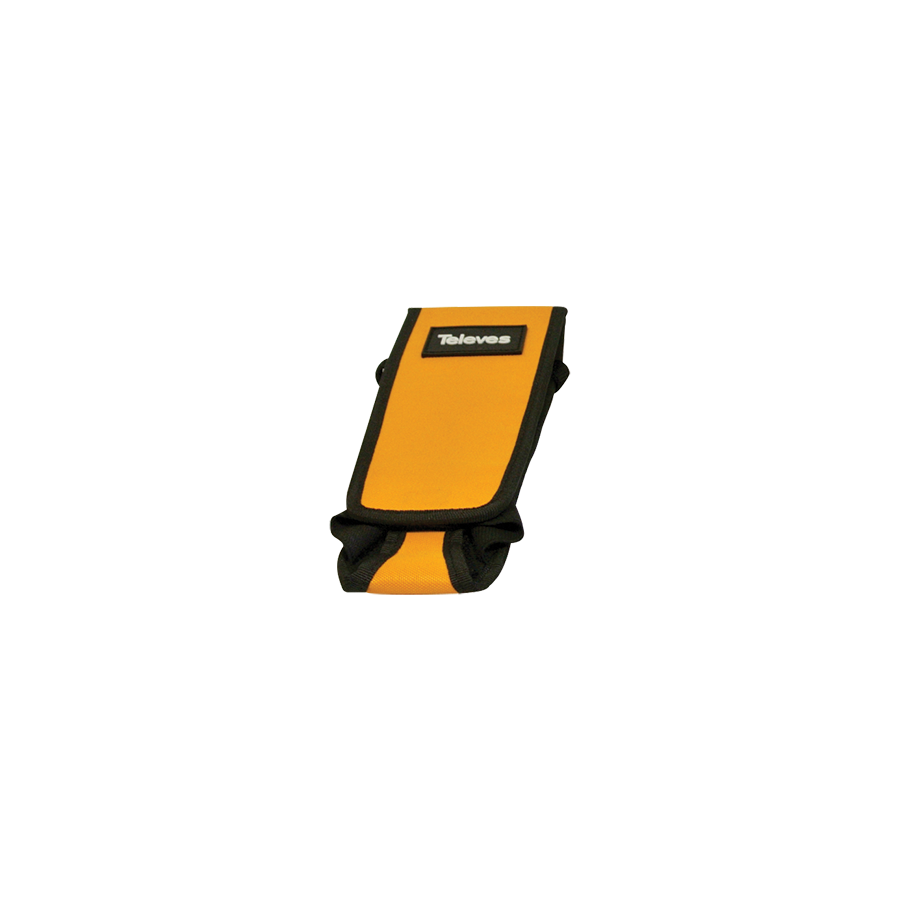
In Australian field service environments, mobility is essential. Technicians working across metropolitan breakdown calls or remote industrial sites require equipment protection that balances durability with portability.
The Protective Soft Case is engineered specifically for this purpose. It delivers structured impact resistance, abrasion durability, and ergonomic carry performance without the bulk of a hard-shell enclosure.
The outer shell of a professional soft case is typically manufactured from 1680D ballistic nylon.
Denier (D) measures fibre density and directly relates to tensile strength and abrasion resistance. Compared to standard consumer-grade 400D or 600D fabrics, 1680D ballistic nylon offers significantly greater durability in industrial conditions.
The tight basket weave structure resists tearing and prevents small punctures from spreading. A polyurethane backing adds water resistance, protecting instruments from sudden rain exposure or splashing.
This makes the case suitable for rooftop work, plant rooms, marine environments, and dusty construction zones.
While the outer fabric resists abrasion, internal protection is achieved through EVA (Ethylene-Vinyl Acetate) foam panels.
EVA is a semi-rigid, closed-cell material that absorbs impact energy and reduces shock transmission to sensitive electronics.
Unlike open-cell sponge foam, EVA maintains structure under compression and resists moisture absorption. This is critical for protecting:
• LCD displays • Calibration circuitry • Thermal imaging sensors • Clamp meter jaws • Delicate test leads
Many professional soft cases incorporate reinforced EVA panels in the front flap to provide crush resistance similar to hybrid hard-shell designs while retaining flexibility and light weight.
The closure system is often the weakest point of lower-grade bags. Industrial soft cases utilise heavy-duty self-repairing zippers with reinforced stitching.
Reverse-coil zipper designs and protective storm flaps help minimise dust and debris ingress — especially important in mining, grain handling, and workshop environments where conductive dust can damage instrumentation.
Reliable zipper mechanics ensure consistent sealing and long-term durability.
A Protective Soft Case is not just storage — it is an organisational tool.
Internal compartments and mesh pockets allow structured placement of:
• Test leads • Spare fuses • Batteries • Calibration accessories • Small termination components
Keeping accessories separated prevents scratching, impact damage, and tangled leads.
Velcro cable ties can be used to secure silicone test leads neatly before storage, preventing strain on probe connections and extending cable life.
For technicians climbing ladders, accessing roof spaces, or working in confined areas, weight distribution matters.
Professional soft cases are engineered with reinforced strap anchor points using bar-tack stitching. This stitching pattern distributes load stress across multiple threads, reducing the risk of tear-out.
Compact design keeps the centre of gravity close to the body, improving comfort during extended use and reducing fatigue compared to rigid carry boxes.
SCHNAP Electric Products supports mobile field technicians with complementary accessories that enhance case usability:
• Velcro cable ties for organised lead storage • Replacement HRC fuses for multimeters • Desiccant sachets to manage moisture in humid conditions • Cleaning wipes to maintain instrument hygiene
These additions ensure that instruments remain clean, organised, and ready for deployment.
When selecting a Protective Soft Case, consider:
• Fabric Denier rating (minimum 1680D recommended) • EVA panel reinforcement • Reinforced zipper construction • UV and chemical resistance • Stitch density at stress points
Cases not designed for industrial use may degrade rapidly when exposed to oils, solvents, or prolonged UV exposure.
The Protective Soft Case delivers the essential balance between durability and mobility.
Through high-denier ballistic nylon construction, EVA shock absorption, reinforced stitching, and structured internal organisation, it provides reliable protection for sensitive diagnostic tools without compromising portability.
For Australian field technicians operating in demanding conditions, mobility and protection must work together. A properly engineered soft case ensures equipment arrives on-site protected, organised, and ready for use.
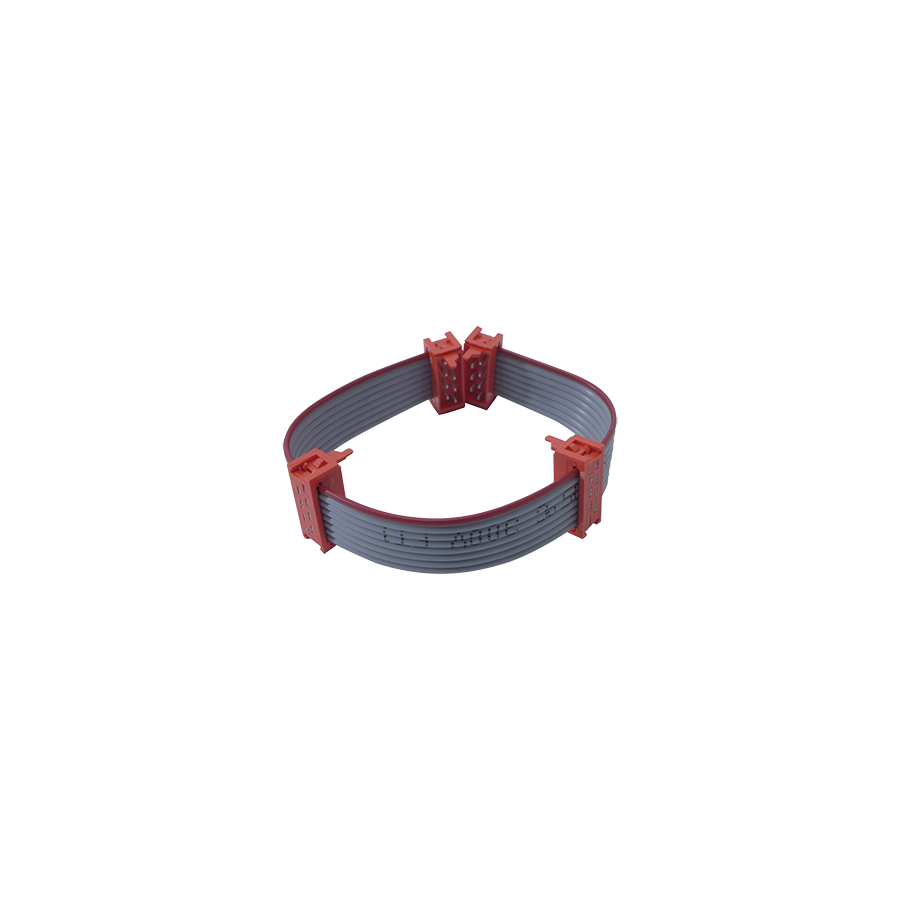
As Australia accelerates its transition toward renewable energy, Direct Current (DC) infrastructure has become central to modern electrical installations. Solar photovoltaic (PV) arrays, Battery Energy Storage Systems (BESS), and electric vehicle charging platforms all rely on efficient, stable DC transmission.
Unlike AC systems, DC networks operate without zero-crossing points, making arc control, voltage stability, and conductor integrity critical engineering considerations. The DC Distribution Cable is specifically designed to meet these requirements while complying with AS/NZS 5033 and AS/NZS 3000.
In DC circuits, resistance is the dominant factor affecting performance. Ohm’s Law governs behaviour:
V = I × R
Because many DC systems operate at 12V, 24V, 48V, or even 110V, delivering equivalent power requires higher current compared to 230–240V AC systems.
Higher current over long cable runs increases voltage drop. In low-voltage DC systems, even small voltage reductions represent a significant efficiency loss. For example, a 1V drop in a 12V system equates to an 8.3% loss.
To mitigate this, DC distribution cables are often specified with larger cross-sectional areas (CSA) than equivalent AC circuits. Proper cable sizing ensures total voltage drop remains within recommended limits, typically below 3%.
Environmental exposure is a major consideration in renewable installations. Rooftop arrays, battery rooms, and coastal regions introduce humidity, salt air, and chemical vapours.
High-quality DC Distribution Cables utilise tinned copper conductors. Each copper strand is electroplated with tin, which provides:
• Enhanced corrosion resistance • Stable long-term conductivity • Reduced contact resistance at terminations
Tin plating protects against oxidation and sulphide exposure common in battery installations. This reduces the risk of hot spots at connection points and maintains conductor integrity over a 20–25 year system lifespan.
Cables should meet IEC 60228 Class 5 or Class 6 stranding requirements for flexible applications.
DC arcs are more persistent than AC arcs because the current does not pass through zero. If insulation fails, a DC arc can sustain high temperatures and present significant fire risk.
DC Distribution Cables are typically insulated with cross-linked polyethylene (XLPE) or electron-beam cross-linked compounds. These materials offer:
• Higher dielectric strength • Improved thermal resistance (often up to 90–120°C) • Enhanced mechanical durability
For photovoltaic systems, double insulation is often required. This includes an inner insulation layer and an outer UV-stabilised sheath to provide additional mechanical and environmental protection.
High fault currents in battery or inverter systems can generate substantial magnetic forces. Proper cable management is critical to prevent movement under short-circuit conditions.
Cables must be securely fastened along trays or supports to prevent mechanical strain or conductor whip. Adequate separation from sharp edges and heat sources reduces insulation stress.
Termination quality directly influences system reliability. Fine-stranded DC conductors require properly matched lugs to achieve a gas-tight crimp connection.
Heavy-duty copper lugs sized for flexible conductors provide secure mechanical and electrical bonding to busbars, isolators, and breakers.
Dual-wall adhesive heat shrink tubing seals the lug barrel, preventing moisture ingress and reducing corrosion risk.
Stainless steel cable ties or approved support systems maintain secure routing in outdoor and industrial installations.
SCHNAP Electric Products supports DC installations with complementary termination and protection solutions.
Heavy-duty copper lugs accommodate large gauge flexible DC conductors.
Dual-wall adhesive heat shrink provides environmental sealing at termination points.
High-current DC-rated fuses and isolation switches ensure safe disconnection during maintenance or fault conditions.
Stainless steel cable ties offer durable mechanical retention in outdoor and high-temperature environments.
These accessories help maintain conductor integrity, mechanical stability, and long-term system performance.
Inferior products such as copper-clad aluminium (CCA) cable present higher resistance and inconsistent thermal expansion characteristics. These materials increase voltage drop and may loosen at termination points over time.
Proper DC Distribution Cable selection must confirm:
• Pure oxygen-free tinned copper conductors • Verified CSA rating • UV-stabilised outer sheath • Temperature rating suitable for solar installations • Compliance with AS/NZS standards
Professional procurement ensures cable quality aligns with renewable infrastructure requirements.
The DC Distribution Cable serves as the primary energy pathway within solar and battery systems. Through careful conductor sizing, corrosion-resistant metallurgy, high-dielectric insulation, and secure termination practices, it enables efficient and safe power transmission.
When installed in accordance with Australian standards and supported by quality termination and protection components, it ensures minimal voltage loss, reduced thermal risk, and long-term renewable system performance.
In modern DC energy networks, efficiency and reliability begin with the cable.

In many Australian residential and light commercial fitouts, wall cavity space is limited. Between structural studs, glazing returns, sliding door cavities and steel framing, there is often insufficient width to accommodate a standard grid plate switch.
The Vertical Architrave Switch 2 Gang provides a purpose-built solution for these constrained environments. With a narrow width typically between 30mm and 35mm, it is designed to mount directly onto timber or aluminium door frames (architraves), delivering dual lighting control without compromising structural integrity or architectural aesthetics.
Traditional wall switches rely on wider mounting centres and larger wall cut-outs. In contrast, architrave switches utilise a vertically stacked configuration.
Instead of spreading mechanisms horizontally, the two switching modules are aligned one above the other. This vertical orientation allows installation within narrow timber profiles where a conventional 115mm plate would be impossible.
Because architraves often provide limited cavity depth, careful attention must be given to:
• Cable bend radius • Cable termination positioning • Mechanism clearance • Mounting bracket depth
If cabling is compressed behind the mechanism, rocker binding or premature failure may occur. Proper timber routing or use of a dedicated architrave mounting bracket ensures smooth operation and mechanical stability.
The 2 gang configuration offers practical dual-circuit control within a compact footprint.
Common applications include:
• Internal room lighting and external security lighting • Bedroom lighting and hallway circuits • Ensuite and bedroom separation control • Entry lighting and outdoor porch lighting
High-quality architrave switches utilise efficient terminal layouts, often incorporating common loop terminals. This reduces cable congestion within the narrow cavity and improves installation reliability.
Because architrave switches are mounted directly to door frames, they are exposed to repeated vibration from door operation.
A robust internal spring-return mechanism prevents contact bounce and ensures consistent switching performance. High-grade silver alloy contacts are essential for managing LED inrush currents, particularly in modern lighting installations.
Switches should be rated appropriately, typically 10AX or 16AX, to handle capacitive LED loads safely.
Installation must comply with AS/NZS 3000.
Key safety considerations include:
• Proper active looping • Secure terminal tightening • Correct conductor stripping length • Earthing of conductive mounting surfaces
If installed onto a metal door frame, the frame must be bonded to earth to prevent electric shock risk in the event of a conductor fault. A dedicated earth fly-lead may be required to ensure continuity between the plate and the building earthing system.
Electrical clearances behind the mechanism must also meet minimum dielectric separation requirements to prevent arcing to timber or metal surfaces.
SCHNAP Electric Products supports narrow-profile installations with durable architrave switch mechanisms and accessories designed for Australian conditions.
UV-stabilised polycarbonate plates resist discolouration and maintain finish integrity in high-exposure environments.
Concealed screw caps provide a clean architectural appearance while maintaining secure mechanical fixing.
Insulating shrouds and compliant mounting screws ensure safe installation in both timber and metal substrates.
These supporting components allow installers to deliver a finish that is structurally secure, electrically compliant, and visually refined.
In heritage restorations, cutting large openings into lath and plaster walls may be structurally undesirable or restricted.
The architrave provides an alternative cable path between the jamb and stud cavity. Cables can be routed discreetly without disturbing decorative plasterwork or skirting.
The vertical 2 gang format also visually complements traditional architectural proportions, allowing modern switching technology to blend into period homes.
Professional installation should include:
• Adequate cavity depth preparation • Secure bracket mounting • Proper strain relief of TPS conductors • Verification of smooth rocker action • Insulation resistance testing after termination
Careful cable management within tight spaces prevents overheating, mechanical stress, and long-term reliability issues.
The Vertical Architrave Switch 2 Gang is a precision solution for narrow-profile electrical control. By combining vertical mechanical design, dual-circuit functionality, and compliance with Australian wiring standards, it delivers reliable lighting control where traditional wall plates cannot be installed.
When supported by quality installation practices and professional-grade components, it provides a clean architectural finish without compromising safety or durability.
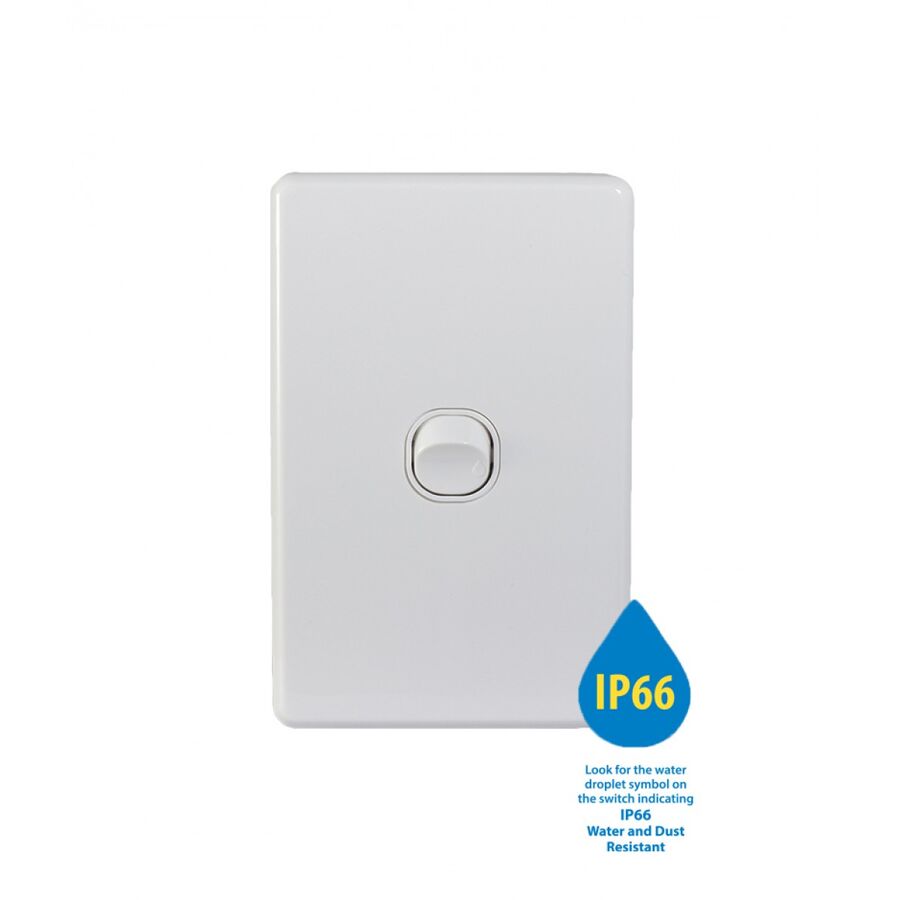
Australia’s environmental conditions demand durable electrical infrastructure. Coastal salt exposure, heavy rainfall, intense ultraviolet radiation and industrial wash-down environments place extreme stress on outdoor electrical accessories. A standard internal switch is not designed to withstand these conditions. When moisture or dust penetrates an enclosure, the consequences can include RCD tripping, insulation breakdown or potential fire risk.
The Vertical Weatherproof Switch 1 Gang is engineered specifically for exposed installations. Designed to comply with Australian Wiring Rules and recognised ingress protection standards, this switch provides reliable outdoor control for lighting circuits, pumps and external power systems. It combines sealed enclosure design, durable materials and robust switching mechanisms to ensure long-term safety and functionality.
Outdoor switching requires engineered protection, not cosmetic sealing.
The defining characteristic of a professional outdoor switch is its IP rating. For fully exposed applications, IP66 is considered a suitable benchmark. The first digit indicates complete dust protection, preventing fine particles from entering the enclosure. This is particularly important in agricultural and mining settings where conductive dust may cause internal tracking faults.
The second digit indicates resistance to powerful water jets. IP66-rated enclosures are designed to withstand high-pressure water exposure from multiple directions without water ingress. This makes the switch suitable for wash-down areas, external plant rooms and exposed façades.
Effective sealing is achieved through integrated gasket systems and protected actuator membranes that allow mechanical movement without compromising enclosure integrity.
Reliable ingress protection ensures electrical safety under harsh environmental conditions.
Outdoor plastic components are vulnerable to ultraviolet radiation. Standard materials may become brittle, discoloured or structurally weakened over time. To resist long-term UV exposure, quality weatherproof switches are manufactured from UV-stabilised polycarbonate.
Polycarbonate offers high impact resistance and maintains mechanical strength under temperature fluctuations. In industrial settings, resistance to chemical exposure from cleaning agents or environmental contaminants is also essential. Robust material selection prevents cracking, warping and premature failure.
Durable housing materials extend service life in demanding climates.
Although often used for lighting circuits, outdoor switches frequently control motor-driven equipment such as pool pumps or exhaust fans. Motor loads are inductive and generate higher inrush currents and voltage spikes when switched.
Professional-grade weatherproof switches are rated to handle such conditions. Adequate contact design and internal construction ensure reliable switching without premature wear. Selecting a switch appropriate for the intended load type protects both the accessory and the connected equipment.
Proper load rating supports safe and consistent operation.
The integrity of any weatherproof enclosure depends on correct cable entry installation. Conduit connections must maintain the enclosure’s IP rating to prevent water tracking into the housing.
SCHNAP Electric Products supports compliant installations with appropriate conduit accessories and mounting components designed for secure outdoor integration. Ensuring tight mechanical fitment and proper sealing techniques preserves ingress protection performance.
Secure cable termination maintains enclosure integrity.
Outdoor installations are subject to vibration, temperature changes and physical impact. Secure mounting prevents loosening over time and maintains alignment of the sealing surfaces.
SCHNAP Electric Products provides mounting accessories suited to a range of substrates, including masonry and steel structures. Corrosion-resistant fixings support long-term stability in coastal or industrial environments.
Stable mounting reinforces safety and durability.
In commercial and industrial environments, weatherproof switches often serve as local isolators. Provision for padlock insertion in the off position enables lockout during maintenance. This supports safe isolation procedures and prevents accidental energisation of equipment.
Integrating lockout capability enhances compliance with workplace safety protocols.
The market includes low-cost enclosures that claim weatherproof performance without verified certification. Inadequate gasket materials or poor manufacturing tolerances may lead to early seal failure.
Professional procurement through a specialised electrical wholesaler ensures access to certified IP-rated products suitable for Australian installations. SCHNAP Electric Products supports installers with infrastructure accessories that align with safe and structured outdoor installation practices.
Verified sourcing strengthens compliance and reliability.
The Vertical Weatherproof Switch 1 Gang provides essential protection for outdoor electrical control points. Through IP66 sealing, UV-stabilised construction and appropriate load handling capability, it safeguards circuits against environmental exposure and operational stress.
By combining compliant switchgear with structured installation practices supported by SCHNAP Electric Products, Australian electricians can deliver outdoor infrastructure that remains safe, durable and dependable. In exposed environments, protection defines performance.
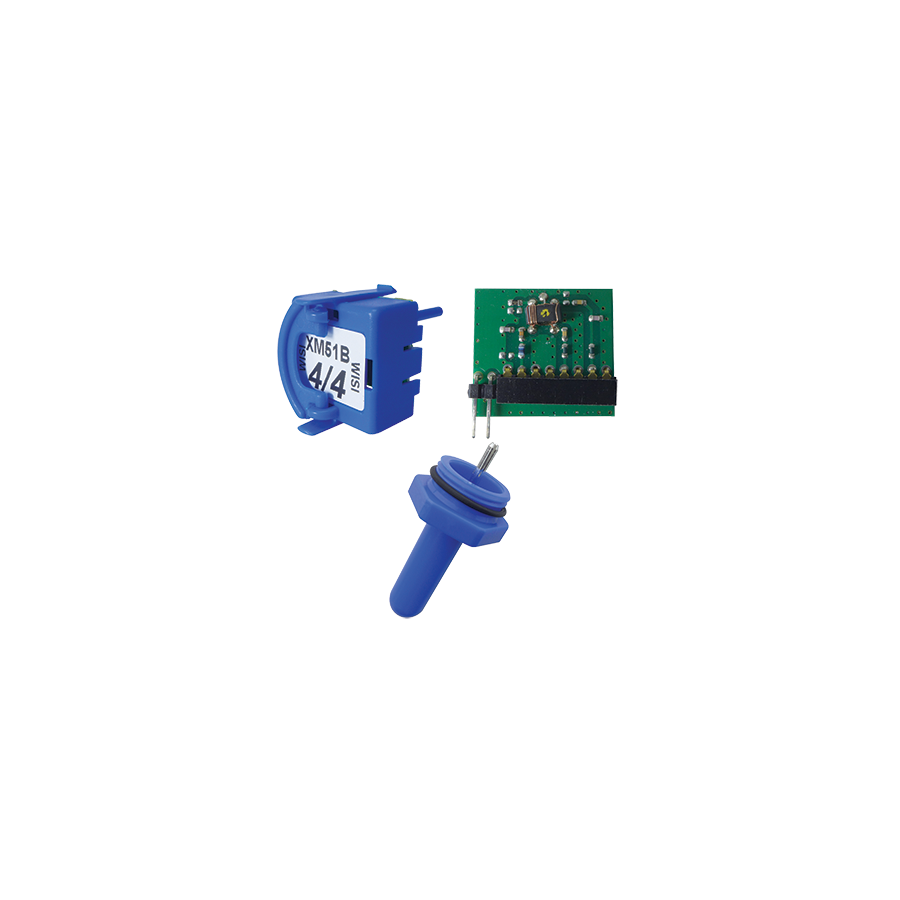
In modern Australian industrial automation, reliability depends on separation. Between the low-voltage logic of a PLC and the high-energy field devices operating motors, solenoids and valves, there must be a protective boundary. Without isolation, a single short circuit or voltage surge can damage expensive control hardware.
Pluggable Signal Modules provide that protective interface. These compact DIN rail modules create electrical separation between control systems and field equipment. They preserve signal integrity while shielding sensitive electronics from electrical noise and transient spikes common in heavy industry.
At SCHNAP Electric Products, we support switchboard builders and automation engineers with reliable, high-density interface solutions designed for Australian industrial conditions.
The core function of Pluggable Signal Modules is galvanic isolation. This principle allows signals to transfer between two circuits without direct electrical connection.
In electromechanical relays, isolation occurs through magnetic coupling between coil and contact. In solid state modules, isolation is achieved through optical coupling using an LED and phototransistor arrangement.
This separation prevents back electromotive force from travelling into PLC output cards. When inductive loads such as contactors or solenoids switch off, they generate voltage spikes. Without isolation, these spikes can damage transistor outputs.
Galvanic isolation also eliminates ground loops. In large facilities where earth potential differences exist between control rooms and field sensors, isolation prevents erratic signal readings and unwanted interference.
Traditional relay installations required complete rewiring when failure occurred. Pluggable Signal Modules separate the active switching element from the wired base.
If a relay fails, the technician simply removes the module and inserts a replacement without disturbing the terminal wiring. This reduces Mean Time To Repair and minimises wiring errors during maintenance.
In continuous process industries such as mining, food processing and water treatment, reduced downtime directly supports productivity.
The modular approach enhances serviceability without compromising safety.
Selecting the correct contact material is essential for reliable switching. Different loads impose different stresses on relay contacts.
For general resistive loads, silver nickel contacts provide durability and stable performance.
Capacitive loads, such as LED drivers and switch mode power supplies, produce high inrush current. In these applications, silver tin oxide contacts resist contact welding and maintain consistent switching integrity.
For low-level signal circuits, gold-plated contacts prevent oxidation and maintain low resistance. This is particularly important for digital input signals in building management systems and sensitive control circuits.
Correct contact selection ensures long-term performance and reduces unexpected failures.
Electromechanical relays are robust and widely used. However, they have a finite mechanical life cycle due to moving parts.
In high-frequency switching applications such as heater control or rapid signal cycling, solid state modules provide superior longevity. These modules use semiconductor devices such as triacs or MOSFETs to switch loads without mechanical movement.
Solid state designs offer silent operation and virtually unlimited switching cycles. However, they generate heat and require adequate thermal management.
SCHNAP Electric Products supports installations with compact modules designed for efficient heat dissipation within high-density panels.
Modern control panels prioritise compact layouts. Standard pluggable modules often feature slim 6.2mm profiles, allowing high channel density on a single DIN rail.
However, dense wiring can increase installation time. Using plug-in jumper bars simplifies commoning connections across multiple relay bases.
SCHNAP Electric Products provides comb-style jumper systems that reduce wiring complexity and improve panel organisation.
Clear identification is equally important. Snap-in marker tags support precise labelling aligned with P&ID loop references, improving fault finding and long-term maintenance efficiency.
Control panels often contain both low-voltage DC circuits and higher voltage AC outputs. Proper segregation is mandatory under AS/NZS 3000.
Separation plates and end clamps maintain safe physical division between circuits of different voltage classes.
Modules must carry appropriate insulation ratings, often 4kV coil-to-contact isolation, to ensure safety and regulatory compliance.
Working with a specialist electrical wholesaler ensures the supplied modules meet IEC and UL standards required for Australian industrial projects.
Pluggable Signal Modules are widely used in conveyor systems, pump stations, water treatment facilities and manufacturing lines.
In mining operations, they protect PLC outputs controlling heavy-duty motors. In food processing plants, they isolate temperature sensors and valve controls from central control systems.
In building automation, they provide reliable interface points between low-voltage control networks and lighting or HVAC loads.
Across sectors, isolation and signal integrity remain fundamental to operational reliability.
At SCHNAP Electric Products, our focus is on supporting automation professionals with reliable and compliant infrastructure.
We provide high-quality relay modules, jumper systems, separation accessories and DIN rail hardware suited for demanding environments.
By supplying tested components through professional channels, we ensure that control panels meet Australian installation standards and perform reliably over time.
Reliable automation begins with dependable interface protection.
Routine inspection of relay modules supports long-term system stability.
Technicians should monitor contact wear in electromechanical units and ensure solid state modules remain within specified thermal limits.
Periodic thermal imaging of control panels can identify loose terminals or overheating components before failure occurs.
Using quality components from a trusted electrical wholesaler reduces maintenance frequency and improves overall panel reliability.
Pluggable Signal Modules are critical components in industrial automation systems. They provide galvanic isolation, protect sensitive PLC inputs and outputs, and simplify maintenance through modular design.
Correct contact selection, compliant installation and proper segregation ensure safe and reliable operation.
By sourcing interface modules and supporting accessories through SCHNAP Electric Products, automation professionals build control systems that are compact, maintainable and electrically resilient.
In industrial control, separation is protection.

SCHNAP Electrical Wholesaler - clear, upfront pricing that professional electricians trust

Get what you need in seconds. SCHNAP electrical wholesaler makes ordering quick and simple

Fast delivery anywhere - that's guaranteed. SCHNAP electrical wholesalers ship nationwide with same-day dispatch

Track your order every step of the way. SCHNAP electrical wholesale keeps you updated from click to delivery

SCHNAP is Australia's premier electrical wholesaler and electrical supplies, marketing thousands of quality products from leading brands. Trusted for nearly two decades by licensed electricians, contractors, and engineers, our range covers everything from basic electrical components to complex industrial electrical equipment
Our key categories include: LED lighting, designer switches, commercial switchboards, circuit protection, security systems & CCTV, and smart home automation
All products are certified to Australian standards (AS/NZS), backed by our 30-day, no-questions-asked return policy. Our expert technical team helps you quickly source the right solution for any residential, commercial, or industrial project, with daily dispatch from our Sydney electrical warehouse delivering Australia-wide
SCHNAP offers the most comprehensive electrical product range, with full technical specifications, application details, installation requirements, compliance standards, and warranties — giving professionals total confidence in every purchase


