

Kingsgrove Branch:



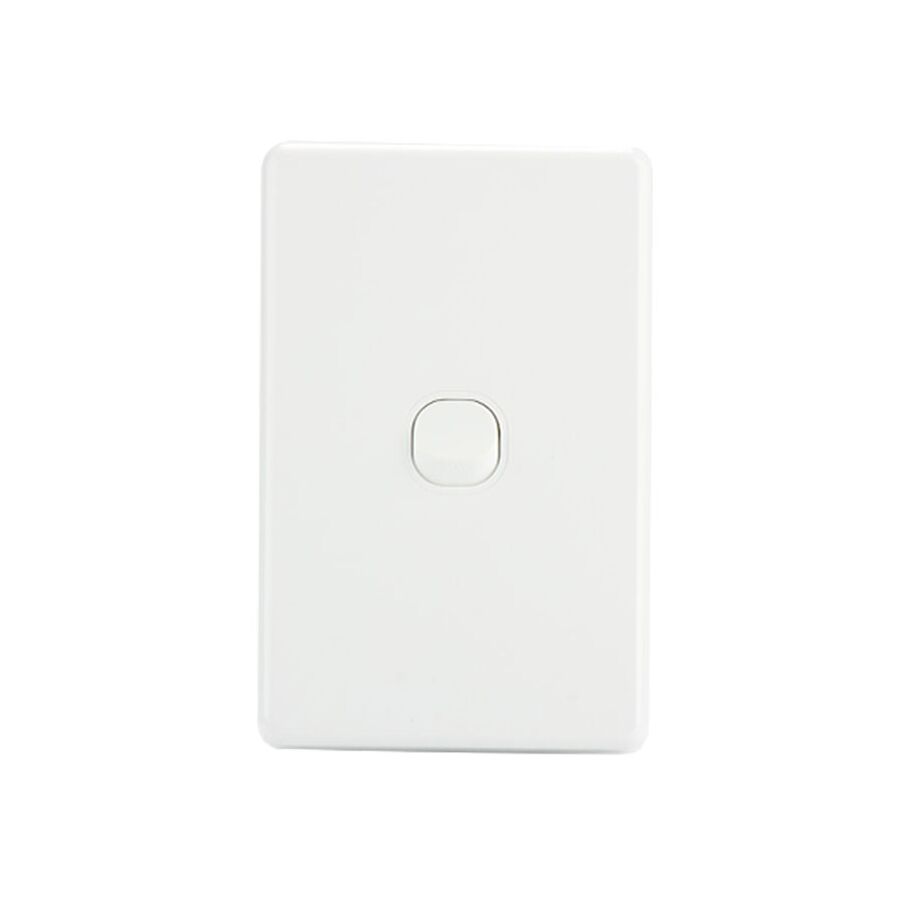
G'day! If you're in the middle of a reno or just looking to give your home a bit of a facelift, you've probably spent ages agonising over the paint colour, the flooring, and the benchtops. But then there's the one detail that can make or break the whole schmick look: the light switches.
For donkey's years, we all put up with the same, standard, daggy white rocker switch. It did the job, sure, but it wasn't exactly a design statement. These days, the range of light switches in Australia is massive, and choosing the right one can add a fair dinkum touch of class to any room.
Let's get the lowdown on what your options are, from the new standard to the high-tech smart switches that are changing the game.
The humble light switch has had a serious glow-up. Here are the main types you'll be choosing from for a modern build or renovation.
This is the evolution of the classic switch. Instead of a chunky, rounded rocker, the modern version is slim, sleek, and has a more defined edge. Think of the popular Clipsal Classic or Iconic ranges. They provide a clean, minimalist look that's a massive step up from the old-school style and are the new go-to for most homes.
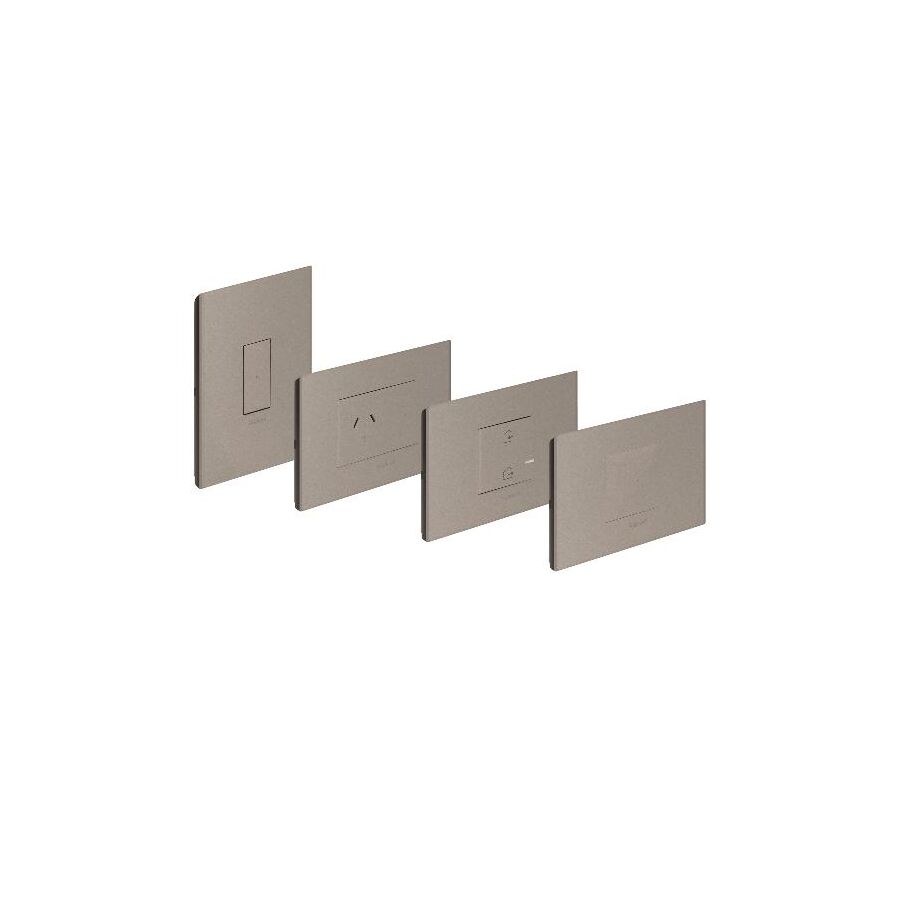
This is the one designers and savvy renovators are all falling for. A push button switch replaces the rocker with a small, discreet button that gives a satisfying 'click'. They often sit almost flush with the wall plate, offering a truly minimalist, high-end, architectural look. Many of these (like the Clipsal Iconic) are modular, meaning you can easily swap the cover or 'skin' later on.
A dimmer is a must-have for any living room, dining room, or bedroom. It replaces the simple on/off function with a dial or push-button that lets you smoothly control the brightness of your lights. It's the key to taking your lighting from just 'functional' to creating a perfect, relaxing atmosphere. Crucial tip: Make sure you get a modern LED-compatible dimmer to avoid any annoying flickering with your downlights.
This is the new-school champ. A smart light switch connects to your home's Wi-Fi, allowing you to control your lights from an app on your phone or with your voice ("Hey Google, turn off the kitchen lights!"). You can set schedules, create scenes, and even make it look like you're home when you're on holiday. It's the ultimate in convenience.
The biggest change in light switches in Australia has been the explosion in colours and finishes. You're no longer stuck with boring white. The most popular choices for a modern reno include:
Righto, let's get serious, because this is the most important part of the entire article. It might look like a simple swap, but in Australia, it is illegal and extremely dangerous for anyone other than a licensed professional to install or replace a light switch.
Why? Because you're working directly with 240-volt mains power. A simple mistake—mixing up wires, a loose connection—can lead to a fatal electric shock or a house fire. It will also void your home insurance.
This work must only ever be carried out by a licensed electrician. They have the training, testing equipment, and legal authority to do the job safely and ensure it's compliant with Australian Standards (AS/NZS 3000).
A licensed electrician will always use high-quality, compliant components to ensure your installation is safe and will last for donkey's years. This is why they source their gear from trusted trade suppliers, not just the local hardware shelf.
As one of Australia's most comprehensive electrical wholesaler and suppliers, Schnap Electric Products is a leading source for professional-grade gear. They stock the complete range of light switches in Australia from the most trusted brands, including the latest modular push-button switches, LED-compatible dimmers, smart switches, and all the stylish cover plates to match. For a truly professional job that's safe, compliant, and looks schmick, the pros rely on quality gear from a supplier like Schnap Electric.

G'day! If you're doing a reno or a new build anywhere in Australia, there's one name you'll see on almost every wall, at every tradie breakfast, and in every quality build: Clipsal.
For donkey's years, Clipsal light switches have been the fair dinkum standard. They're the Toyota Hilux of the electrical world – reliable, tough as nails, and they just work. But these days, they're not just reliable; they're bloody stylish, too. They've gone from being a simple, functional bit of plastic to a proper design feature that can make or break a schmick new room.
So why are they the default choice for nearly every licensed electrician in the country? It's simple: rock-solid reliability.
Tradies trust them because they're built tough for Aussie conditions, they are 100% compliant with all our strict Australian standards (AS/NZS 3000), and they last. You just fit 'em and forget 'em. When you're a professional, you can't risk your reputation on some dodgy, no-name brand, so you go with the one you know won't let you down.
In the old days, you had one choice: a daggy white rocker. Now, the range of Clipsal light switches is massive, letting you properly match your fittings to your home's style.
This is the workhorse. It's the modern version of the switch we all grew up with, but with a cleaner, more defined profile. It's affordable, super reliable, and the go-to for a clean, simple, and timeless look.
This is the new champ, mate. It's the one you're seeing in all the schmick, modern renos on The Block or in design mags.
This is your top-shelf, "Rolls-Royce" option. If you want a proper high-end statement, this is it. Think sleek, architectural, glass-look faceplates and subtle, cool blue LED light glows around the switch. It's a fair dinkum "wow" factor.
The best part about the modern Clipsal light switches (especially the Iconic range) is the tech. You're not just getting an on/off switch. You can get matching LED-compatible dimmers (crucial for getting your downlights to behave), fan controllers, USB chargers, and even smart Wi-Fi switches that you can control with your phone or "Hey Google." It's a complete, integrated system.
Righto, this is the most important part of the whole article, so listen up. It might look like a simple swap, but in Australia, it is illegal and extremely dangerous for anyone other than a licensed professional to install or replace a light switch. Don't be a galah.
You're dealing with 240V mains power. A simple mistake—mixing up wires, a loose connection—can lead to a fatal electric shock or a house fire. It will also void your home insurance.
This work must only ever be carried out by a licensed electrician. They have the training, testing gear, and legal authority to do the job safely and ensure it's compliant with Australian standards.
A licensed electrician will always use high-quality, genuine, and compliant components to ensure your installation is safe and will last. This is why they source their gear from trusted trade suppliers, not just the local hardware shelf.
As one of Australia's most electrical wholesaler and supplies, Schnap Electric Products is a leading source for professional-grade gear. They stock the complete range of Clipsal light switches, from the workhorse Classic series to the full designer range of Clipsal Iconic and Saturn, alongside all the essential wiring and switchboard components a qualified professional needs for the job. For a truly professional reno that's safe and looks schmick, the pros rely on quality gear from a supplier like Schnap Electric.
G'day! Let's be honest, we've all been there. You've just got perfectly comfy on the couch for the footy, or you're all tucked up in bed, and you realise you've left the bloody kitchen light on. It's a fair dinkum pain.
For years, the only solution was to get up. But now, there's a much cleverer way. It's time to meet the smart switches. This bit of kit is a massive upgrade on the daggy old plastic rocker, turning any light in your house into a 'smart' light you can control from anywhere.
A smart switches looks just like a modern, stylish switch on your wall. The magic is inside: it has a Wi-Fi or other smart chip that connects to your home internet network. This allows you to control it remotely via an app on your phone or, even better, with your voice.
It's a huge step up from just using a smart bulb. A smart bulb is useless the second someone flicks the main wall switch off. A smart switch is always powered, so your lights are always smart and ready for a command.
Investing in smart switches offers some brilliant advantages for any modern Aussie home.
Righto, here's a hot tip: many smart switches need a 'neutral' wire at the switch to keep their smart chip powered on. The problem is, a lot of older Aussie homes (especially double-brick ones) were wired without a neutral wire running to the switch – they just have the active and switched wires.
This doesn't mean you can't have them, but it's something your installer needs to know. A qualified professional can assess your wiring and will know the right product to use – some modern smart switches are even designed to work without a neutral.
Okay, this is the most important part of the whole article, so listen up. A smart switch isn't a plug-in gadget; it connects directly to your home's 240V mains power wiring inside the wall.
In Australia, it is illegal and extremely dangerous for anyone other than a licensed professional to perform this work. You're dealing with live power, and getting it wrong can lead to fatal electric shock, house fires, and voiding your home insurance.
This work must only ever be carried out by a licensed electrician. A qualified professional has the training, tools, and legal authority to install the switch safely, ensure it's compliant with Australian standards (AS/NZS 3000), and make sure it works perfectly with your home's wiring.
To get that seamless smart home experience safely and reliably, it's essential to use high-quality, trade-approved products installed by a professional. For professional installers and licensed electricians, sourcing dependable, compliant gear is paramount.
As one of Australia's most electrical wholesaler and supplies, Schnap Electric Products stocks a huge range of high-quality smart switches, dimmers, and smart home modules from the world's most trusted trade brands. On top of that, they provide all the essential, compliant wiring, connectors, and switchboard components that a qualified professional needs to safely upgrade your home and bring it into the 21st century. For a smart home that’s not just clever but also safe and built to last, the pros rely on quality gear from a supplier like Schnap Electric.
G'day! You're in the thick of a reno, or maybe just planning a bit of a glow-up for your home. You've spent a motza on the perfect paint colour, the flash new benchtops, and maybe even some new tapware. But what about the one thing you touch every single day?
For donkey's years, we've all put up with the same, daggy, yellowing plastic light switch. It's functional, sure, but it's not exactly a style statement.
These days, the range of modern light switches is massive, and upgrading them is a fair dinkum game-changer. It's like putting the jewellery on the room – that final, schmick detail that ties the whole look together and makes it feel properly high-end.
A modern light switch is no longer just a utility; it's a core part of your interior design.
The new-school options are brilliant. Here's the lowdown on the most popular styles in Aussie homes.
This is the evolution of the classic switch. Instead of a chunky, rounded flipper, the modern rocker is slim, sleek, and has a more defined edge. Think of the popular Clipsal Classic or Iconic ranges. They're the new, clean, minimalist go-to for most homes.
This is the one you'll see in designer homes and schmick hotel rooms. It replaces the rocker with a small, discreet button that gives a satisfying click. They often sit almost flush with the wall plate, offering a truly minimalist, architectural look. Many of these (like the Clipsal Iconic) are modular, meaning you can easily swap the cover or 'skin' later on.
A dimmer is a non-negotiable for any living room, dining room, or bedroom. It's the key to creating the perfect mood. Modern dimmers are designed to match, with rotary knobs or push-button mechanisms that look just as good as the standard switch. Crucial tip: Make sure you get a modern "LED-compatible" dimmer to avoid any annoying flickering with your downlights.
This is the "brains" of the operation. A smart switch connects to your home's Wi-Fi, allowing you to control your lights from an app on your phone, or with your voice ("Hey Google, turn off the kitchen lights!"). You can set schedules, create scenes, and even make it look like you're home when you're on holiday.
The biggest change in modern light switches is the explosion in colours and finishes. You're no longer stuck with boring white. The most popular choices for a modern reno include:
Righto, this is the most important part of the whole article, so listen up. It might look like a simple swap, but in Australia, it is illegal and extremely dangerous for anyone other than a licensed professional to install or replace a light switch. Don't be a galah.
You're dealing with 240-volt mains power. A simple mistake—mixing up wires, a loose connection—can lead to a fatal electric shock or a house fire. It will also void your home insurance.
This work must only ever be carried out by a licensed electrician. They have the training, testing gear, and legal authority to do the job safely and ensure it's compliant with Australian Standards (AS/NZS 3000).
A licensed electrician will always use high-quality, compliant components to ensure your installation is safe and will last for donkey's years. This is why they source their gear from trusted trade suppliers, not just the local hardware shelf.
As one of Australia's most electrical wholesaler, Schnap Electric Products is a leading source for professional-grade gear. They stock the complete range of modern light switches from the most trusted brands, including the latest modular push-button switches, LED-compatible dimmers, smart switches, and all the stylish cover plates to match. For a truly professional reno that's safe, compliant, and looks schmick, the pros rely on quality gear from a supplier like Schnap Electric.
G'day! Have a squiz behind your telly or under the home office desk. It's a proper bird's nest, isn't it? A tangled, dusty mess of cables all fighting for a spot in one, overloaded, old-school power board. It's a 'cable spaghetti' nightmare, and it's not just ugly – it can be inefficient and unsafe.
But there's a simple, smart solution that's a fair dinkum staple in any modern, organised Aussie home: the power board with switches.
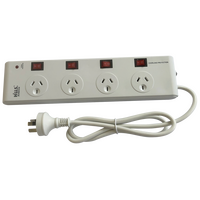
A power board with switches is a multi-outlet power board where every single socket has its own individual on/off switch, often with its own little indicator light.
It's a simple upgrade on the old, basic board, but it gives you a massive amount of control and safety.
Upgrading to a board with switches isn't just about looking schmick; it's got some real, practical advantages.
Don't just grab the cheapest one, mate. Not all power boards are created equal.
A power board is a convenience, but you've got to treat it with respect.
A good power board with switches is the perfect solution for your home entertainment unit or office desk. But for a really high-demand area – like a workshop, a commercial kitchen, or a professional AV rack – you need a more permanent, heavy-duty solution.
This is where a licensed professional comes in. Installing high-capacity, dedicated circuits or commercial-grade power rails is a job that must be done by a licensed electrician. For these high-end installations, professionals rely on trade-quality gear from a trusted supplier.
As one of Australia's most comprehensive electrical wholesaler and suppliers, Schnap Electric Products stocks a complete range of professional-grade power solutions. From heavy-duty, commercial-grade power boards with switches designed for a worksite, to all the essential, compliant GPOs (power points), circuit breakers, and safety switches that a qualified professional needs to build a safe, robust, and hardwired power setup. For a job that's built for serious hard yakka, the pros start with quality gear from a supplier like Schnap Electric.
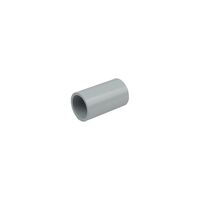
G'day! You've seen it everywhere. It's that classic grey pipe running up the side of a brick wall, tucked neatly inside a garage, or keeping cables tidy in a workshop. That, mate, is the humble 20mm conduit, and it's a fair dinkum unsung hero of the electrical world.
It might not look like much, but this simple tube is the number one choice for protecting electrical wiring in Aussie homes and sheds. But why this specific size? And what's it actually for? Let's get the lowdown.
An electrical conduit is just a protective tube or pipe that electrical wires are run inside. Its one and only job is to protect those wires from getting knackered by moisture, impacts, UV rays, and anything else the world (or a stray footy) might throw at them.
The 20mm conduit is, by a long shot, the most common size used in residential and light commercial jobs in Australia. Why? Because it's the "Goldilocks" size.
It's not too big and bulky, but it's got just enough room inside to comfortably run the standard cables we use in our homes – like the 2.5mm² 'flat twin and earth' for your power points (GPOs) or the 1.5mm² cable for your lights. It's the perfect, most economical all-rounder.
You can't just leave cables flapping in the breeze, mate. Using conduit is a non-negotiable for a safe, professional, and long-lasting job.
Righto, let's get serious for a sec, because this is the most important part of the whole article.
You, as a DIYer, can walk into any hardware store and buy a length of 20mm conduit and a few fittings. That's fine. You can even mount the empty conduit on your shed wall.
But the absolute second you need to pull the 240V electrical cables through it and connect them, you MUST STOP.
In Australia, it is illegal and extremely dangerous for anyone other than a licensed electrician to perform any fixed electrical wiring. A simple mistake can lead to a fatal electric shock or a house fire, and it will void your home insurance in a heartbeat. Don't be a galah – it's just not worth the risk.
When a licensed electrician turns up to run that new circuit to your shed, they're going to do the job right with trade-quality gear. They won't be using flimsy, no-name fittings. They'll be using high-quality, compliant components sourced from a trusted supplier.
As one of Australia's most electrical wholesaler, Schnap Electric Products stocks the lot for the professional installer. They've got a massive range of heavy-duty, UV-stabilised 20mm conduit, plus all the compliant fittings a qualified professional needs – from the bends, couplings, and saddles to the high-quality cable glands and weatherproof enclosures. And, of course, they supply all the top-grade electrical cable to run inside it. For a job that's safe, compliant, and built to last, the pros rely on a supplier like Schnap Electric.
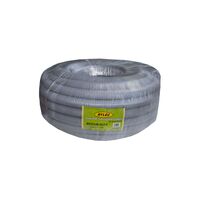
G'day! If you've ever had a squiz in a workshop, a garage, or looked at the side of a brick house, you've seen it. That familiar grey pipe, usually in 20mm or 25mm size, running neatly along the wall and protecting the wiring.
That, mate, is electrical conduit. It might not be the most exciting bit of kit in a reno, but it's a fair dinkum, non-negotiable part of any safe, professional, and long-lasting wiring job. Let's get the lowdown on what it is and why it's so bloody important.
At its heart, electrical conduit is simply a protective tube or pipe that electrical cables are run inside. That's it. Its one and only job is to be a tough-as-nails bodyguard for the vulnerable wiring inside, protecting it from all the things that could go wrong.
A "she'll be right" attitude of just clipping a bare cable to a wall in an exposed area is dodgy, unsafe, and just not on. Conduit is the proper way to do the job.
Using electrical conduit isn't just for looks; it's a critical safety and compliance measure.
Not all electrical conduit is the same. You'll generally come across three main types:
Righto, let's be dead clear on this. You, as a DIYer, can walk into any hardware store and buy a length of electrical conduit and a few fittings. That's fine. You can even mount the empty conduit on your shed wall.
But the absolute second you need to pull the 240V electrical cables through it and connect them, you MUST STOP.
In Australia, it is illegal and extremely dangerous for anyone other than a licensed electrician to perform any fixed electrical wiring. A simple mistake can lead to a fatal electric shock or a house fire, and it will void your home insurance in a heartbeat. Don't be a galah – it's just not worth the risk.
When a licensed electrician turns up to run that new circuit to your shed, they're going to do the job right with trade-quality gear. They won't be using flimsy, non-compliant conduit or dodgy fittings. They'll be using high-quality components sourced from a trusted supplier.
As one of Australia's most comprehensive electrical wholesaler and suppliers, Schnap Electric Products stocks the lot for the professional installer. They've got a massive range of high-quality electrical conduit in PVC, metal, and flexible options, plus all the compliant fittings a qualified professional needs – from the bends, couplings, and saddles to the high-quality cable glands and weatherproof boxes. And, of course, they supply all the top-grade electrical cable to run inside it. For a job that's safe, compliant, and built to last, the pros rely on a supplier like Schnap Electric.
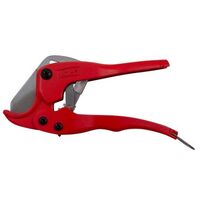
G'day! You're in the middle of a reno, maybe running a new power line out to the shed, and you're doing the job properly with some grey PVC electrical conduit. Good on ya. You grab the old hacksaw to cut a length, and what a mess! It's slow, the cut's on the piss, and you're left with a jagged, fuzzy edge covered in plastic filings (swarf).
It's a fair dinkum pain, and it looks bloody unprofessional. But there's a much better, faster, and cleaner way. You need the right tool for the job: a proper set of conduit cutters.
A conduit cutter (specifically for PVC) is a strong, purpose-built hand tool that looks a bit like a hefty pair of secateurs or ratchet shears. It's designed for one job and one job only: to slice cleanly through plastic electrical conduit, like the common 20mm and 25mm grey stuff you see everywhere in Australia.
Using a hacksaw for conduit is a rookie mistake, mate. Once you've used proper conduit cutters, you'll never go back. Here's why:
This isn't just about looking schmick. A clean, square cut is crucial for a safe, professional, and weatherproof installation.
When you join your conduit into a fitting (like a bend, a junction box, or a coupling), you need to apply a special PVC primer and solvent cement (glue). This glue works by chemically welding the plastic together.
If you try to glue a jagged, burred edge from a hacksaw, you'll get a weak, patchy join that's not properly sealed. Moisture will find its way in, which is a massive no-no. A clean, square cut from conduit cutters ensures the pipe seats perfectly into the fitting, creating a full, strong, and watertight seal. It's the difference between a job that lasts for donkey's years and one that's knackered after the first big storm.
Righto, let's be dead clear on this. You, as a DIYer, can walk into any hardware store and buy conduit cutters and a length of conduit. That's fine. You can even mount the empty conduit on your shed wall.
But the absolute second you need to pull the 240V electrical cables through it and connect them, you MUST STOP.
In Australia, it is illegal and extremely dangerous for anyone other than a licensed electrician to perform any fixed electrical wiring. A simple mistake can lead to a fatal electric shock or a house fire, and it will void your home insurance in a heartbeat. Don't be a galah – it's just not worth the risk.
A licensed electrician will always use the right tools, like conduit cutters, to ensure a clean, fast, and compliant job. They also rely on high-quality, trade-grade components to finish the job safely.
As one of Australia's most electrical wholesaler, Schnap Electric Products stocks the lot for the professional installer. They've got a massive range of professional-grade conduit cutters and all the essential, compliant gear to go with them – from the UV-stabilised PVC conduit (in all sizes) and compliant fittings, to the high-quality cable to run inside. For a job that's safe, compliant, and built to last, the pros rely on a supplier like Schnap Electric.

G'day! You've seen it everywhere. It's that classic grey pipe running up the side of a brick house, tucked neatly inside a garage, or keeping cables tidy in a workshop. That, mate, is electrical conduit.
It might not look like much, but this simple tube is a fair dinkum, non-negotiable part of any safe, professional, and long-lasting wiring job. But what's its actual meaning or purpose? Let's get the lowdown.
At its heart, the conduit meaning is simple: protection.
An electrical conduit is a protective tube or pipe that electrical cables are run inside. That's its one and only job. Think of it as a tough-as-nails bodyguard for the vulnerable, insulated wires inside.
You can't just leave a standard building cable flapping in the breeze or clipped to the surface of a shed wall where it can get knackered. A "she'll be right" attitude here is dodgy, unsafe, and just not how it's done. The conduit is the proper, professional way to protect that wiring.
Using conduit isn't just about making the job look schmick (though it does that too). It's a critical safety and compliance measure.
Not all conduit is the same. You'll generally come across three main types:
Righto, let's be dead clear on this. You, as a DIYer, can walk into any hardware store and buy a length of electrical conduit and a few fittings. That's fine. You can even mount the empty conduit on your shed wall.
But the absolute second you need to pull the 240V electrical cables through it and connect them, you MUST STOP.
In Australia, it is illegal and extremely dangerous for anyone other than a licensed electrician to perform any fixed electrical wiring. A simple mistake can lead to a fatal electric shock or a house fire, and it will void your home insurance in a heartbeat. Don't be a galah – it's just not worth the risk.
When a licensed electrician turns up to run that new circuit to your shed, they're going to do the job right with trade-quality gear. They won't be using flimsy, non-compliant conduit or dodgy fittings. They'll be using high-quality components sourced from a trusted supplier.
As one of Australia's best electrical wholesaler and suppliers, Schnap Electric Products stocks the lot for the professional installer. They've got a massive range of high-quality electrical conduit in PVC, metal, and flexible options, plus all the compliant fittings a qualified professional needs – from the bends, couplings, and saddles to the high-quality cable glands and weatherproof boxes. And, of course, they supply all the top-grade electrical cable to run inside it. For a job that's safe, compliant, and built to last, the pros rely on a supplier like Schnap Electric.
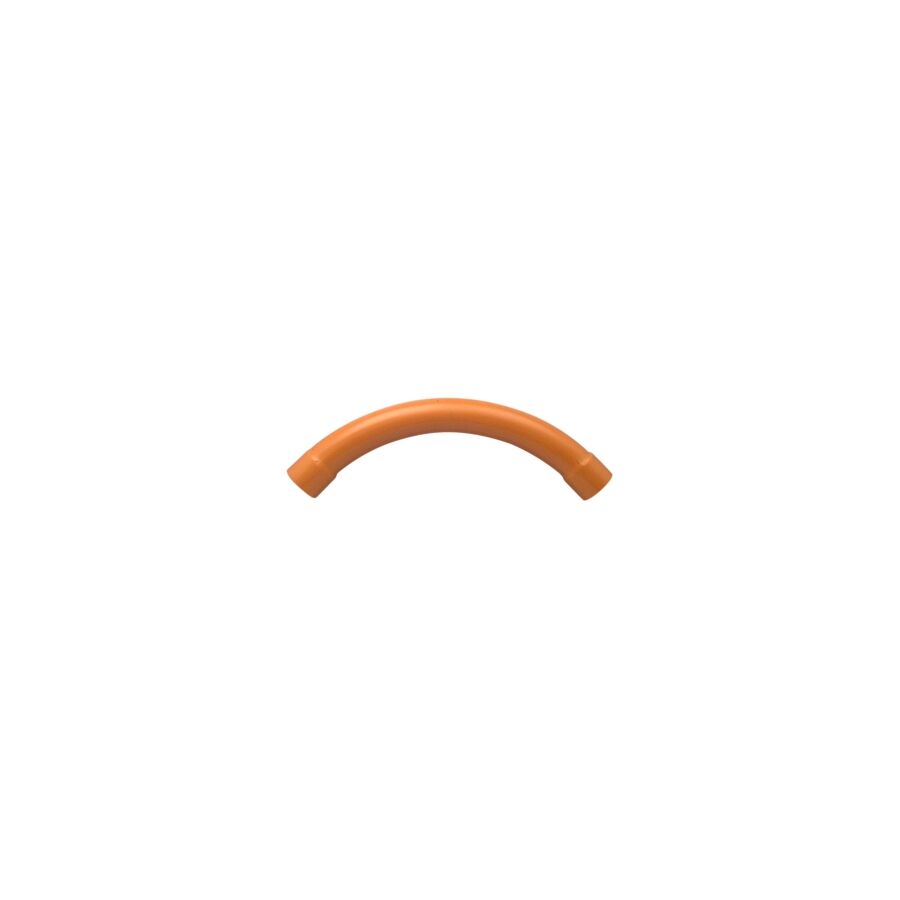
You've seen it everywhere. It's that classic grey pipe running up the side of a brick house, tucked neatly inside a garage, or keeping cables tidy in a workshop. That, mate, is electrical conduit, or as many call it, cable conduit.
It might not look like much, but this simple tube is a fair dinkum, non-negotiable part of any safe, professional, and long-lasting wiring job. Let's get the lowdown on what it is and why it's so bloody important.
At its heart, cable conduit is simply a protective tube or pipe that electrical cables are run inside. That's it. Its one and only job is to be a tough-as-nails bodyguard for the vulnerable, insulated wires inside, protecting them from all the things that could go wrong.
A "she'll be right" attitude of just clipping a bare cable to a wall in an exposed area is dodgy, unsafe, and just not how it's done. Conduit is the proper, professional way to do the job.
Using cable conduit isn't just for looks; it's a critical safety and compliance measure.
Not all cable conduit is the same. You'll generally come across three main types:
Righto, let's be dead clear on this. You, as a DIYer, can walk into any hardware store and buy a length of cable conduit and a few fittings. That's fine. You can even mount the empty conduit on your shed wall.
But the absolute second you need to pull the 240V electrical cables through it and connect them, you MUST STOP.
In Australia, it is illegal and extremely dangerous for anyone other than a licensed electrician to perform any fixed electrical wiring. A simple mistake can lead to a fatal electric shock or a house fire, and it will void your home insurance in a heartbeat. Don't be a galah – it's just not worth the risk.
When a licensed electrician turns up to run that new circuit to your shed, they're going to do the job right with trade-quality gear. They won't be using flimsy, non-compliant conduit or dodgy fittings. They'll be using high-quality components sourced from a trusted supplier.
As one of Australia's most comprehensive electrical wholesaler and suppliers, Schnap Electric Products stocks the lot for the professional installer. They've got a massive range of high-quality cable conduit in PVC, metal, and flexible options, plus all the compliant fittings a qualified professional needs – from the bends, couplings, and saddles to the high-quality cable glands and weatherproof boxes. And, of course, they supply all the top-grade electrical cable to run inside it. For a job that's safe, compliant, and built to last, the pros rely on a supplier like Schnap Electric.

SCHNAP Electrical Wholesaler - clear, upfront pricing that professional electricians trust

Get what you need in seconds. SCHNAP electrical wholesaler makes ordering quick and simple

Fast delivery anywhere - that's guaranteed. SCHNAP electrical wholesalers ship nationwide with same-day dispatch

Track your order every step of the way. SCHNAP electrical wholesale keeps you updated from click to delivery

SCHNAP is Australia's premier electrical wholesaler and electrical supplies, marketing thousands of quality products from leading brands. Trusted for nearly two decades by licensed electricians, contractors, and engineers, our range covers everything from basic electrical components to complex industrial electrical equipment
Our key categories include: LED lighting, designer switches, commercial switchboards, circuit protection, security systems & CCTV, and smart home automation
All products are certified to Australian standards (AS/NZS), backed by our 30-day, no-questions-asked return policy. Our expert technical team helps you quickly source the right solution for any residential, commercial, or industrial project, with daily dispatch from our Sydney electrical warehouse delivering Australia-wide
SCHNAP offers the most comprehensive electrical product range, with full technical specifications, application details, installation requirements, compliance standards, and warranties — giving professionals total confidence in every purchase


Kingsgrove Branch:
Opening hours:
Mon - Fri: 6:30 AM to 5 PM
Saturday: 8:00 AM to 2:00 PM
Sunday: 9:00 AM to 2:00 PM
Closed on public holidays
Jannali Branch:
Closed for Renovations
© 2004 - 2026 SCHNAP Electric Products