

Kingsgrove Branch:


Send us a photo and our team will help identify it.

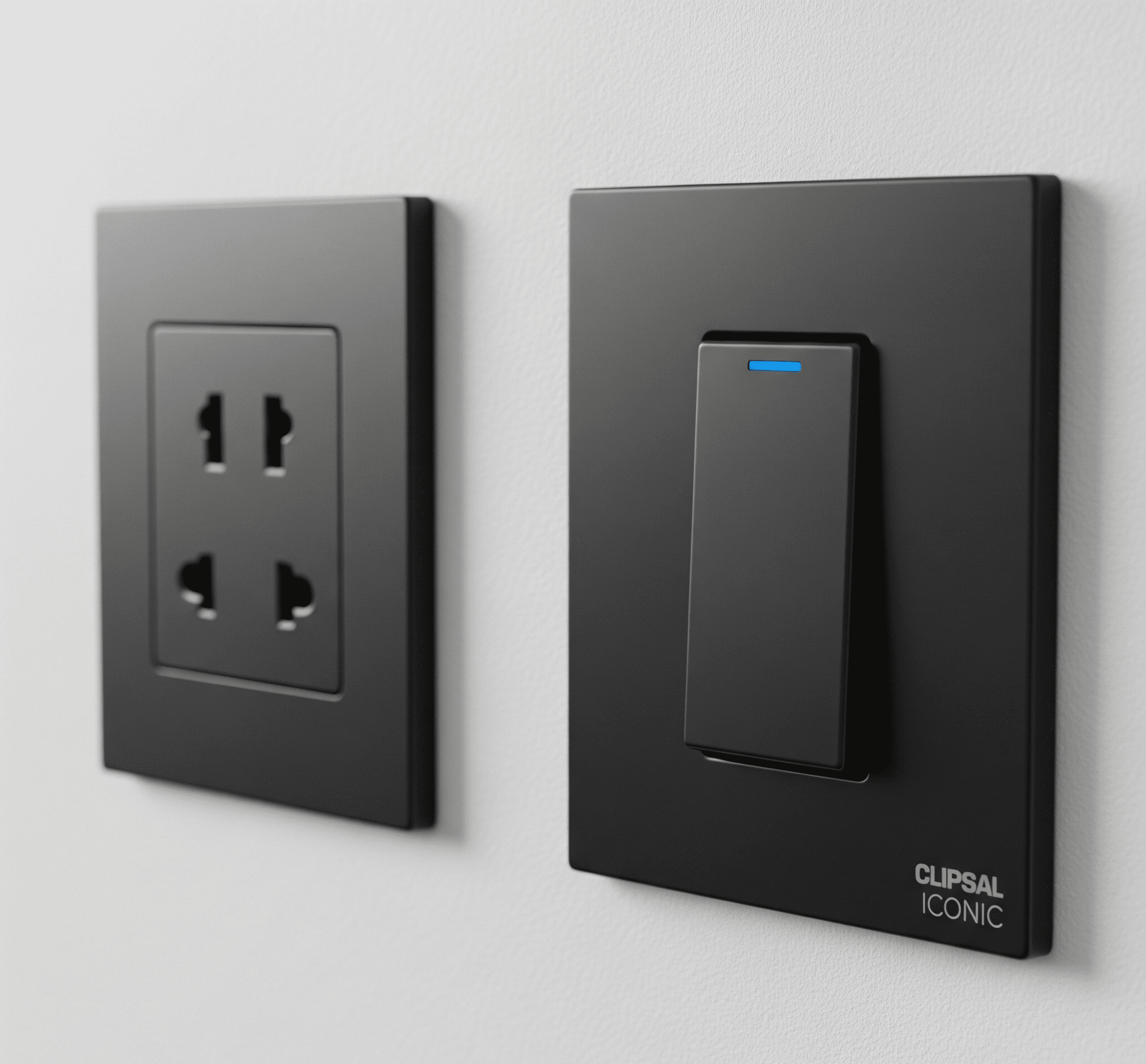
Let's be fair dinkum, the humble light switch and power point often get overlooked when we're thinking about home renovations or upgrades. But have you ever noticed how tired or dated they can make a room look? If you're after a simple yet effective way to modernise your home's aesthetics and boost its functionality, it's time you met Clipsal Iconic.
This range of electrical accessories has become a favourite for Aussie homeowners and electricians alike, offering a blend of sleek design, clever features, and reliable performance.
So, what makes Clipsal Iconic stand out from the crowd? It's more than just your standard switches and sockets. This range has been designed with the modern Australian home in mind, focusing on:
The Clipsal Iconic range is packed with thoughtful features that make everyday living a little bit easier and more stylish:
Ready to upgrade your home's electrical accessories with the stylish and functional Clipsal Iconic range? You'll be pleased to know that this popular product line is readily available through leading electrical wholesalers across Australia.
For electricians and homeowners looking for a reliable supplier, Schnap Electrical Wholesaler in Australia is a go-to destination. They stock a comprehensive range of Clipsal Iconic products, ensuring you can find everything you need for your renovation or new build. From standard switches and power points to the more advanced smart and USB-integrated options, Schnap Electrical Wholesaler can provide access to the full Clipsal Iconic catalogue.
When you're planning your electrical upgrades, be sure to ask your electrician to source Clipsal Iconic products from trusted wholesalers like Schnap. This ensures you're getting genuine, high-quality accessories that will enhance your home for years to come.
Clipsal Iconic offers the perfect combination of style, functionality, and reliability, making it a smart choice for any Australian home looking to modernise its electrical accessories. With its sleek design, customisable options, and availability at leading wholesalers like Schnap Electrical Wholesaler, upgrading your switches and sockets has never been easier. So why not ditch those dated fittings and give your home a fresh, contemporary touch with Clipsal Iconic? You'll wonder why you didn't do it sooner!

It’s a classic moment in every Aussie home. You flick a switch, and that familiar, satisfying glow is replaced by a sad flicker, a pop, and then darkness. A light bulb has blown.
Once upon a time, you’d just grab any old globe from the cupboard. But these days, walking down the lighting aisle can feel like you need a university degree. Watts, lumens, Kelvin, warm white, cool white... what does it all mean?
Don't stress, mate. Choosing the right light bulb is actually pretty simple once you know the basics. Getting it right won't just light up your room; it can completely change its feel and even save you a bundle on your power bills.
First things first, we need to stop thinking about Watts. For years, we associated the brightness of a light bulb with how many watts it used (e.g., a 60W bulb). But watts measure energy use, not brightness.
The word you need to look for now is Lumens (lm).
Simply put: the more lumens, the brighter the light. A standard old 60W incandescent bulb put out about 800 lumens. Today, you can get that same brightness from an LED light bulb that uses only about 9 watts. It's a much more accurate way to know what you're getting.
This is where you can really become a lighting whiz. The "colour" of the white light a bulb produces is called its colour temperature, measured in Kelvin (K). It makes a massive difference to the atmosphere of a room.
Here’s a quick guide:
While you might still see some old halogen or CFL globes around, the undisputed champion of the modern light bulb world is the LED (Light Emitting Diode).
There's no contest, really. LEDs are the best choice because they are:
For a simple one-off replacement, you might just pop down to the local hardware store. But for a new build, a full renovation, or when you need specific or high-quality lighting, your electrician needs a reliable, professional source.
This is where a place like Schnap Electrical Wholesaler in Australia comes in. They are a go-to for electricians ("sparkies") across the country. A proper wholesaler will stock a massive range of lighting solutions, from the everyday light bulb to sophisticated architectural downlights and specialty globes.
When your sparky sources products from a trusted supplier like Schnap Electrical Wholesaler, you can be confident you're getting trade-quality, reliable gear that's built to last and meets all Australian standards.
Choosing the right light bulb isn't rocket science. Just remember to think in lumens for brightness, pick the Kelvin colour that suits the room's mood, and always opt for LED to save money and hassle.
This small change is one of the easiest and most affordable ways to give any room in your home a real lift. You'll be sorted in no time!
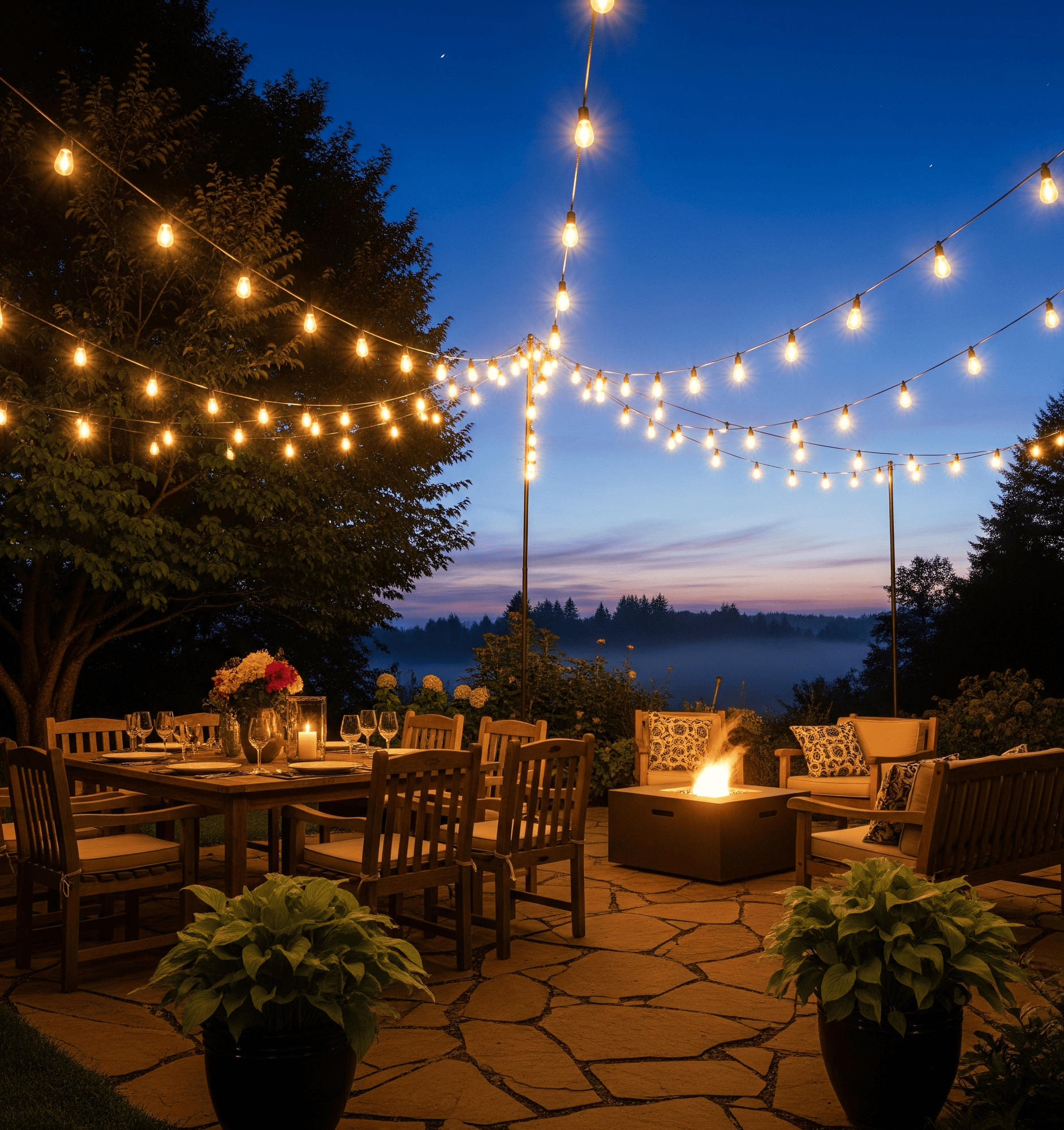
Australians love their outdoor spaces. From backyard barbies to relaxing on the veranda after a long day, our patios, gardens, and pathways are an extension of our living areas. But as the sun goes down, good outdoor lights become essential for both functionality and creating the right ambience.
Choosing the right outdoor lights isn't just about illumination; it's about security, safety, and adding to the overall appeal of your property. Let's have a squiz at the different types and what to consider.
There's a fair dinkum range of outdoor lights available to suit every need and style:
Before you go buying a bunch of outdoor lights, there are a few things to keep in mind:
When it comes to getting reliable and high-quality outdoor lights, electricians and savvy homeowners know where to go: electrical wholesalers. For those in Australia, Schnap Electrical Wholesaler is a trusted name in the industry.
While their name highlights their electrical focus, wholesalers like Schnap stock a comprehensive range of lighting solutions, including a wide variety of outdoor lights from reputable brands. Your local electrician will likely source their outdoor lights, along with all the necessary wiring and fittings, from a wholesaler like Schnap.
So, if you're planning an outdoor lights installation, chat to your electrician and don't hesitate to ask about the quality of the fixtures they're recommending and where they source their supplies. Using a wholesaler like Schnap Electrical Wholesaler often means you're getting access to durable, compliant, and reliable products built for the Aussie conditions.
Investing in good quality outdoor lights is a fantastic way to enhance your home's security, safety, and the enjoyment of your outdoor living spaces. By considering your needs, exploring the different types available, and ensuring your electrician sources quality products, you can create an outdoor area that's both functional and inviting, night after night. So go on, light up your little patch of Aussie paradise!
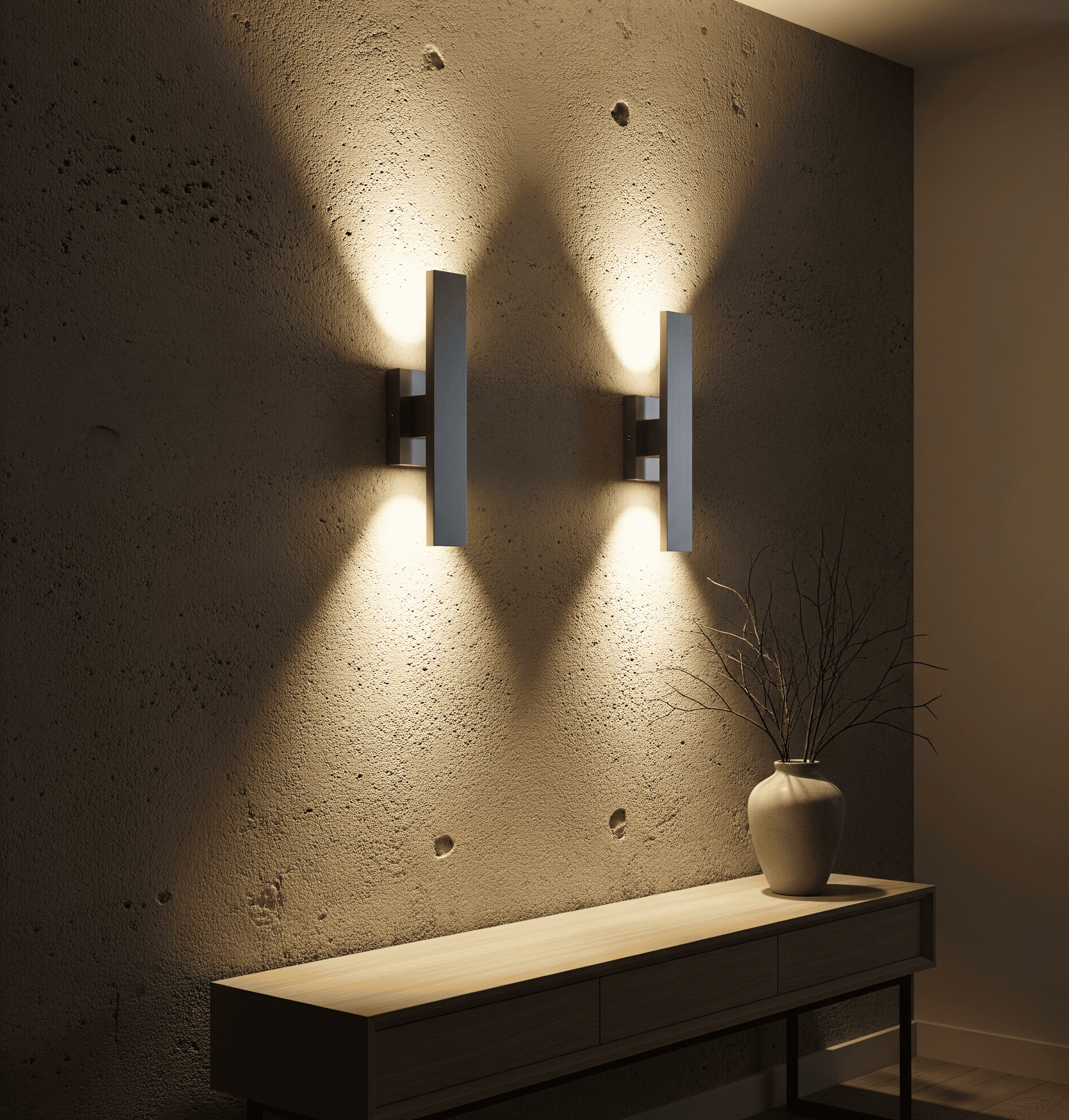
When it comes to lighting your Aussie home, don't forget the walls! Wall lights are a versatile and effective way to add both functional illumination and decorative flair to any room or outdoor area. From creating a cosy ambience indoors to enhancing security outdoors, the right wall lights can make a world of difference.
Whether you're renovating, building a new home, or simply looking to update your lighting scheme, understanding the different types and considerations for wall lights is key. Let's take a proper look, shall we?
Inside your home, wall lights can serve various purposes and come in a wide array of styles:
When choosing indoor wall lights, consider the size of the room, the existing décor, the level of brightness you need, and the overall mood you want to create.
Wall lights aren't just for indoors. Outdoor wall lights play a crucial role in home security, safety, and enhancing your outdoor living spaces:
For outdoor wall lights, durability and weather resistance are paramount. Look for fixtures with appropriate IP ratings to ensure they can withstand rain, dust, and other environmental factors.
Regardless of whether they're for indoor or outdoor use, wall lights come in a vast range of styles and finishes to complement any architectural design or personal taste. From traditional and classic designs to sleek and modern options, you're sure to find wall lights that perfectly match your home's aesthetic. Consider the materials, colours, and overall design to ensure a cohesive look.
When it comes to ensuring you're getting reliable and high-quality wall lights, many electricians and informed homeowners turn to electrical wholesalers. In Australia, Schnap Electrical Wholesaler is a well-regarded supplier known for stocking a wide variety of electrical and lighting products.
For your electrician, sourcing wall lights from a wholesaler like Schnap offers access to a broad selection of reputable brands and ensures they are using products that meet Australian standards. While you might find some basic options at general retail stores, wholesalers typically offer a more extensive range, including specialized and commercial-grade fixtures.
When discussing your lighting needs with your electrician, don't hesitate to inquire about the brands and suppliers they work with. Recommending a wholesaler like Schnap Electrical Wholesaler often indicates a commitment to quality and reliability in the products being installed in your home.
Choosing and installing the right wall lights can significantly enhance the beauty, functionality, and security of your Aussie home. By considering the purpose, placement, style, and quality of the fixtures, you can create well-lit spaces both indoors and outdoors. So, take a good look at your walls and explore the many ways wall lights can brighten up your living experience.
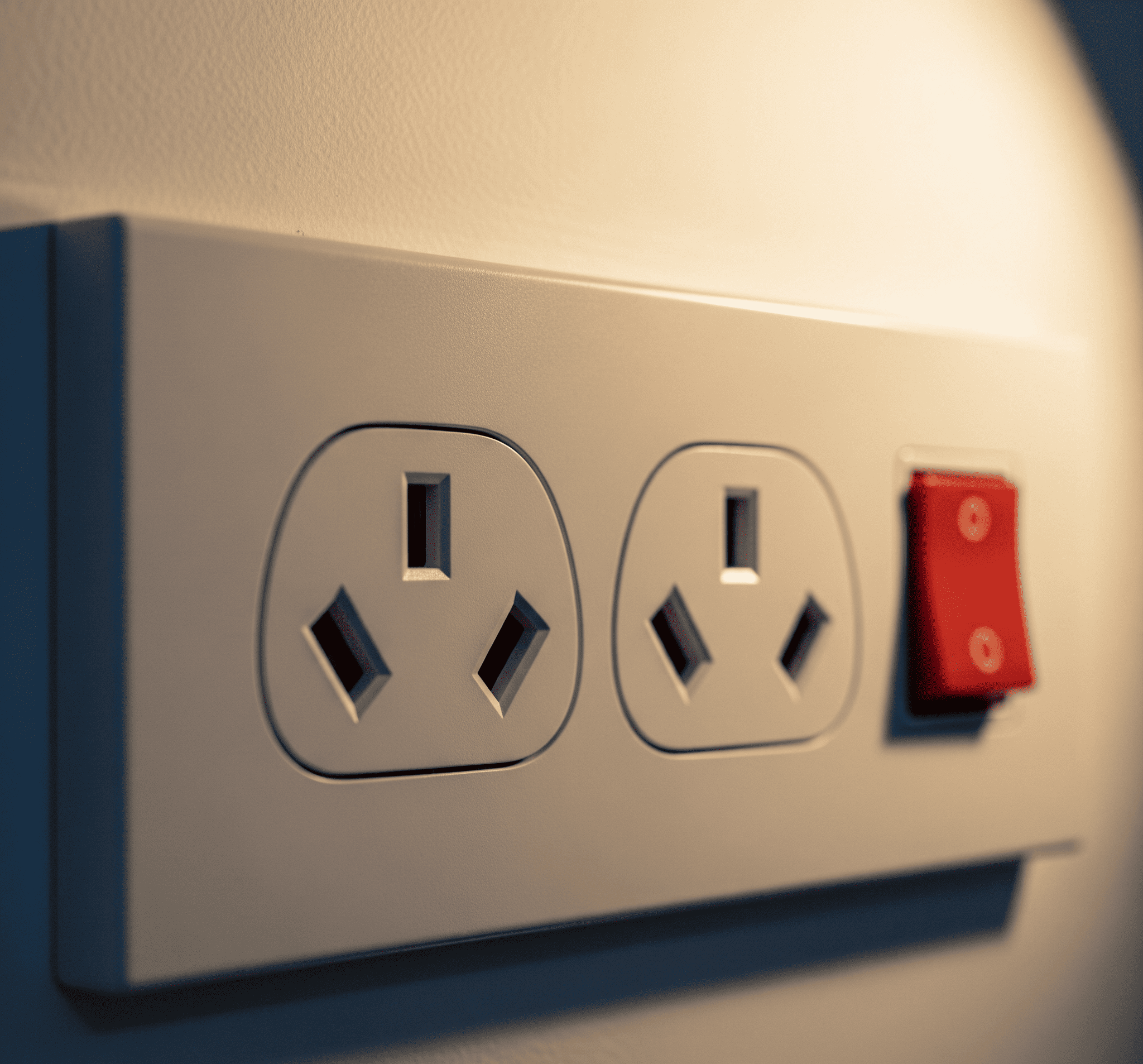
Right then, let's talk about something you probably use every single day without giving it a second thought: the humble power point. In the world of electrical and builders, this essential bit of kit is known as a GPO electrical outlet, which stands for General Purpose Outlet.
It’s the connection point for your telly, your toaster, your phone charger – pretty much everything that makes a modern Aussie house a home. But not all GPOs are created equal. These days, there’s a massive range of options that can add serious convenience and a touch of style to your place.
Gone are the days when a GPO electrical outlet was just a boring white plastic plate with two holes. The modern GPO has evolved to keep up with our tech-heavy lifestyles.
Here’s a squiz at what’s available now:
This is dead-set important. Mucking around with electricity is not a DIY job. The installation of any GPO electrical outlet must be done by a licensed electrician. A qualified electrical will ensure the outlet is wired safely, meets all Australian standards, and is right for the intended load.
Furthermore, the quality of the GPO itself is crucial. A cheap, dodgy power point is a serious fire hazard. Using a quality, well-made product from a reputable brand ensures safety, durability, and peace of mind.
So, how do you make sure you’re getting top-quality, reliable gear? Your electrician will source their materials from a trusted professional supplier.
For the electrical trade across the country, Schnap Electrical Wholesaler in Australia is a go-to destination. They stock a comprehensive range of electrical components, including a massive selection of GPO electrical outlets from all the leading brands. Whether it’s a standard double GPO, a stylish designer outlet with USB-C, or a heavy-duty weatherproof model, a wholesaler like Schnap has the lot.
When your electrician uses a reputable supplier like Schnap Electrical Wholesaler, you can be confident that the products being installed in your home are genuine, safe, and built to last.
The next time you’re planning a renovation or building a new home, give some proper thought to your GPO electrical outlets. Think about where you need them, what you’ll be plugging in, and what features would make your life easier.
By choosing the right type and ensuring they’re installed professionally with quality parts, you can improve the safety, functionality, and even the style of your home. No worries!
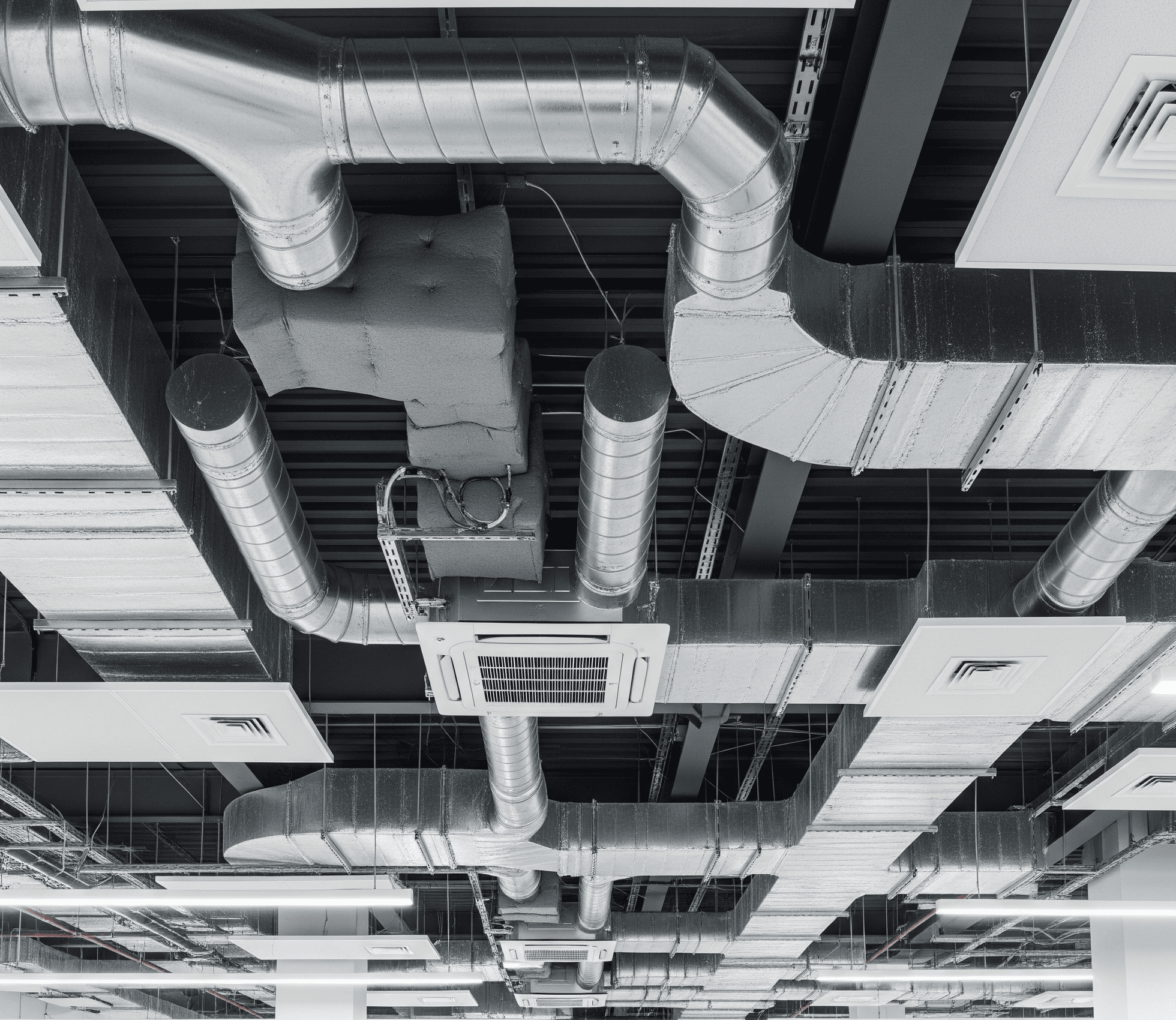
Australia. It’s a land of contrasts, isn't it? One minute you're battling a scorching summer arvo that feels hot enough to melt your thongs to the pavement, and the next you're dealing with a winter morning that has a proper bite to it.
Trying to keep your home comfortable year-round can feel like a losing battle. You might have a split system blasting away in the lounge, but the bedrooms are still like ovens. Or maybe you're huddled over a column heater that’s barely making a dent.
If you're nodding along, it might be time to stop thinking about cooling just one room and start thinking about the entire house. It's time to talk about ducted air conditioning.
Right then, let's get down to brass tacks. Unlike a wall-hung split system that services a single area, ducted air conditioners is a whole-home solution.
It works from a central unit, often tucked away in your roof space or outside, which pumps temperature-controlled air through a network of insulated ducts to discreet vents in the ceiling or floor of each room. You control the whole lot from a central wall panel. Simple as that. It’s an elegant, out-of-sight solution for perfect indoor climate control.
Reckon it sounds pretty good? You're not wrong, mate. Here are some of the biggest benefits that make a ducted system a brilliant investment.
Now, a top-notch system is only as good as its components. For a major installation like this, you need to be sure your installer is using reliable, high-quality equipment from leading brands.
This is where a trusted supplier comes in. For electrical and air conditioning contractors across the country, Schnap Electrical Wholesaler in Australia is a go-to destination. They provide the trade professionals with the essential units, ducting, controllers, and components needed to get the job done right.
When you're getting quotes from installers, it's worth asking where they source their materials. Knowing they work with a reputable supplier like Schnap Electrical Wholesaler gives you peace of mind that you're getting industry-approved, durable equipment built to handle the tough Aussie climate.
While the upfront investment for ducted air conditioning is higher than a simple split system, the benefits in comfort, aesthetics, and long-term property value are undeniable. It's a complete climate solution that transforms your house into a true haven, no matter what the weather is doing outside.
Ready to make your home comfortable all year round? Have a chat with your local licensed air conditioning installer. And remember to ask them about the quality components they can source from wholesalers like Schnap Electrical Wholesaler to ensure your system stands the test of time. No worries!
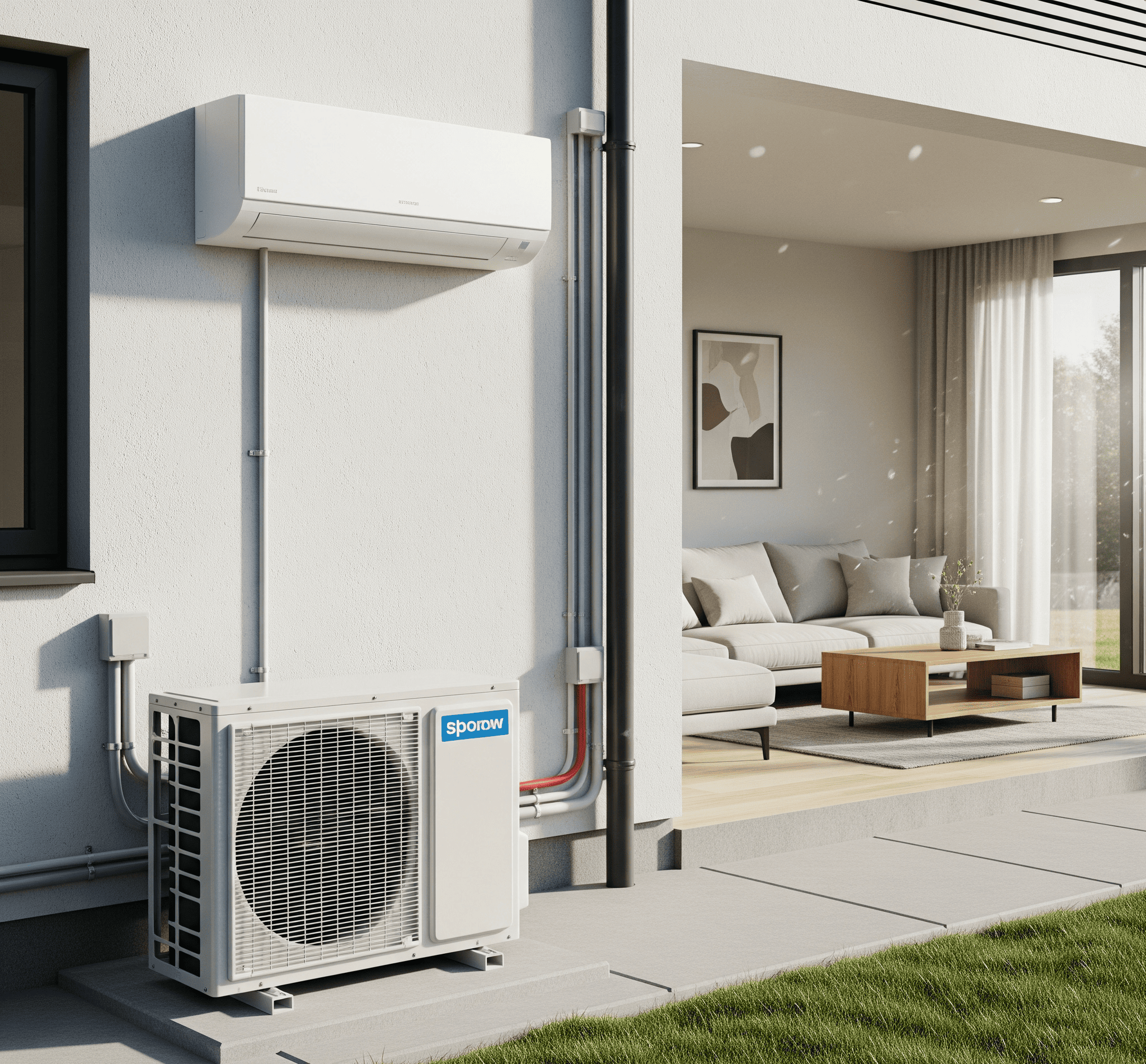
Let’s face it, there's nothing quite like an Australian summer. The backyard cricket, the barbies, the long arvos at the beach. But when you step inside, you want a cool escape, not a stuffy sweatbox. If you've got a room in the house that turns into a sauna the moment the sun comes out, you're not alone.
For millions of Aussies, the perfect answer is a split system air conditioning unit. It’s the reliable, efficient, and affordable way to reclaim your comfort zone.
No dramas, it’s simpler than you might reckon. The name "split" gives the game away – the system is split into two main parts:
The two are connected by a set of pipes and electrical cables, making installation relatively straightforward for a licensed professional.
There's a good reason why you see these units on homes from Perth to Parramatta. A split system air conditioning unit comes with a heap of benefits.
A top-quality installation is key to making sure your air con runs efficiently for years to come. Your chosen installer needs access to the best units and all the right components to get the job done properly.
This is where leading suppliers to the trade come into the picture. Professionals across the country rely on Schnap Electrical Wholesaler in Australia to source high-quality split system air conditioning units from trusted brands. More than just the units themselves, installers can get all the essential gear—from copper piping and cabling to mounting brackets and insulation—all from one reliable place.
When your "tradie" sources their equipment from a well-regarded wholesaler like Schnap Electrical Wholesaler, you can be confident you’re getting genuine, industry-standard parts for your investment.
If you're looking for an efficient, powerful, and affordable way to control the climate in specific areas of your home, you honestly can't go past a split system air conditioning unit. It's the go-to choice for apartments, home offices, bedrooms, and main living zones for a reason.
Ready to beat the heat for good? Get a quote from a licensed air conditioning installer and enjoy a perfectly cool (or warm) home, no matter what the weather throws at you.
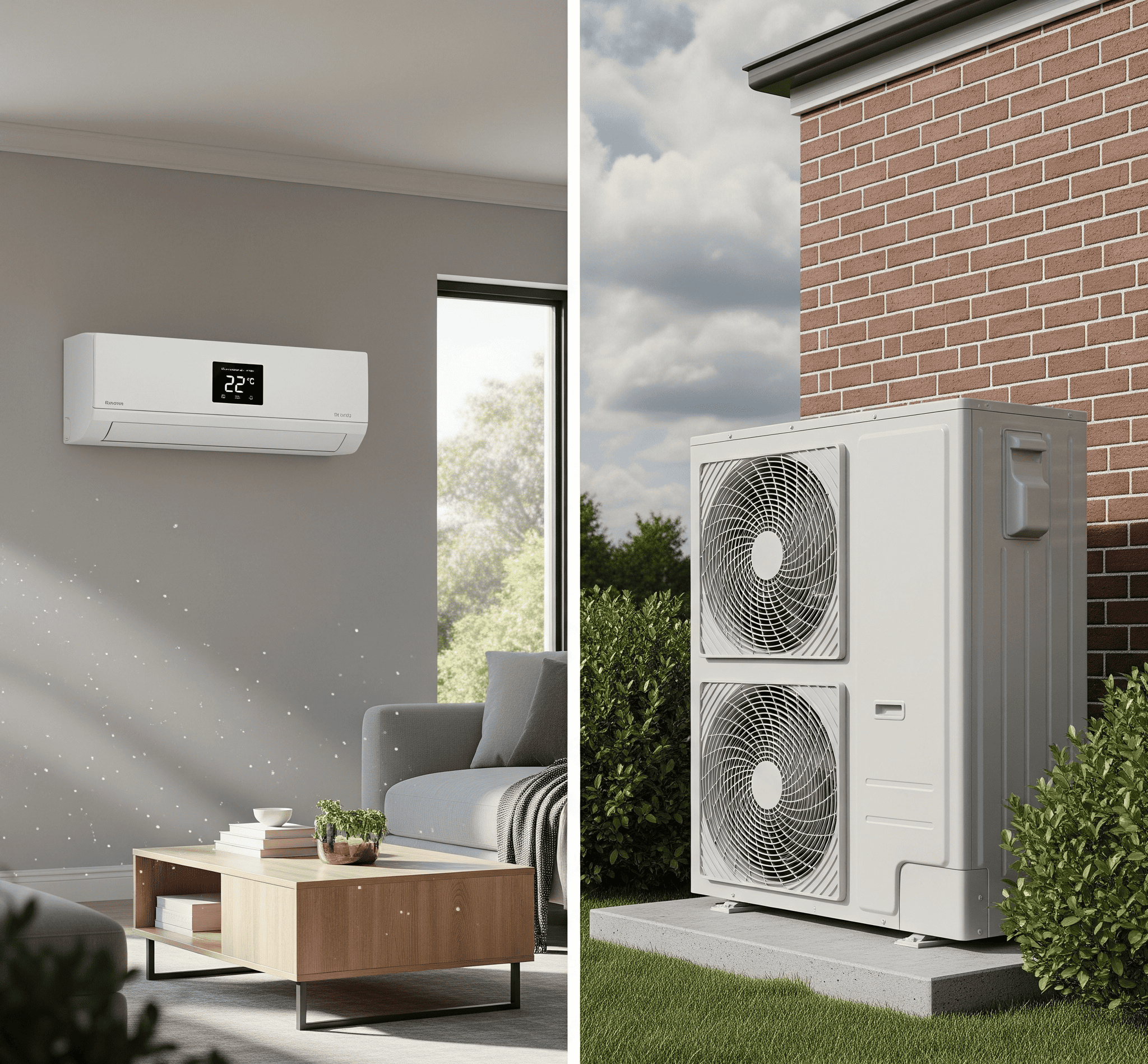
Australia, she's a land of stunning beauty but can throw all sorts of weather at ya, can't she? One minute you're slapping on sunscreen, the next you're reaching for a jumper. Keeping your home comfortable through those wild temperature swings can feel like a full-time job.
But what if there was a clever bit of kit that could handle both the scorching summer heat and the chilly winter nights? Enter reverse cycle air conditioning – the smart Aussie's solution to year-round comfort.
Right, so how does this wizardry actually work? Unlike a standard air conditioner that only cools, a reverse cycle air conditioning system can do both – heat and cool your space.
It works by using a refrigerant to transfer heat. In summer, it pulls the warm air from inside your home and pumps it outside, leaving you with cool, refreshing air. In winter, the process is reversed (hence the name!). It extracts heat from the outside air (yes, even on a cold day there's still heat to be found!) and brings it inside to warm your home. It’s like having two appliances in one!
More and more Aussies are cottoning on to the advantages of reverse cycle air conditioning. Here’s why it might be the perfect choice for your place:
So, you reckon a reverse cycle air conditioning system sounds like a good rooster? You'll want to make sure your chosen installer is using quality gear that's built to last.
For tradies right across Australia, Schnap Electrical Wholesaler is a trusted source for a wide range of electrical and air conditioning products, including top-notch reverse cycle air conditioning units from leading brands. They stock everything an installer needs, from the indoor and outdoor units themselves to all the necessary installation materials and accessories.
When you're chatting with potential installers, it's worth asking them about the brands they use and where they source their equipment. Knowing they rely on a reputable wholesaler like Schnap Electrical Wholesaler can give you confidence in the quality and reliability of your new system.
For Aussie homes, reverse cycle air conditioning is a no-brainer for achieving year-round comfort without the hassle and expense of separate heating and cooling solutions. It’s an efficient, convenient, and increasingly affordable way to beat the heat in summer and stay snug in winter.
Ready to make the switch to all-seasons comfort? Get in touch with your local licensed air conditioning professional and ask about the range of reverse cycle air conditioning units available through suppliers like Schnap Electrical Wholesaler. You’ll be kicking back in comfort before you know it!
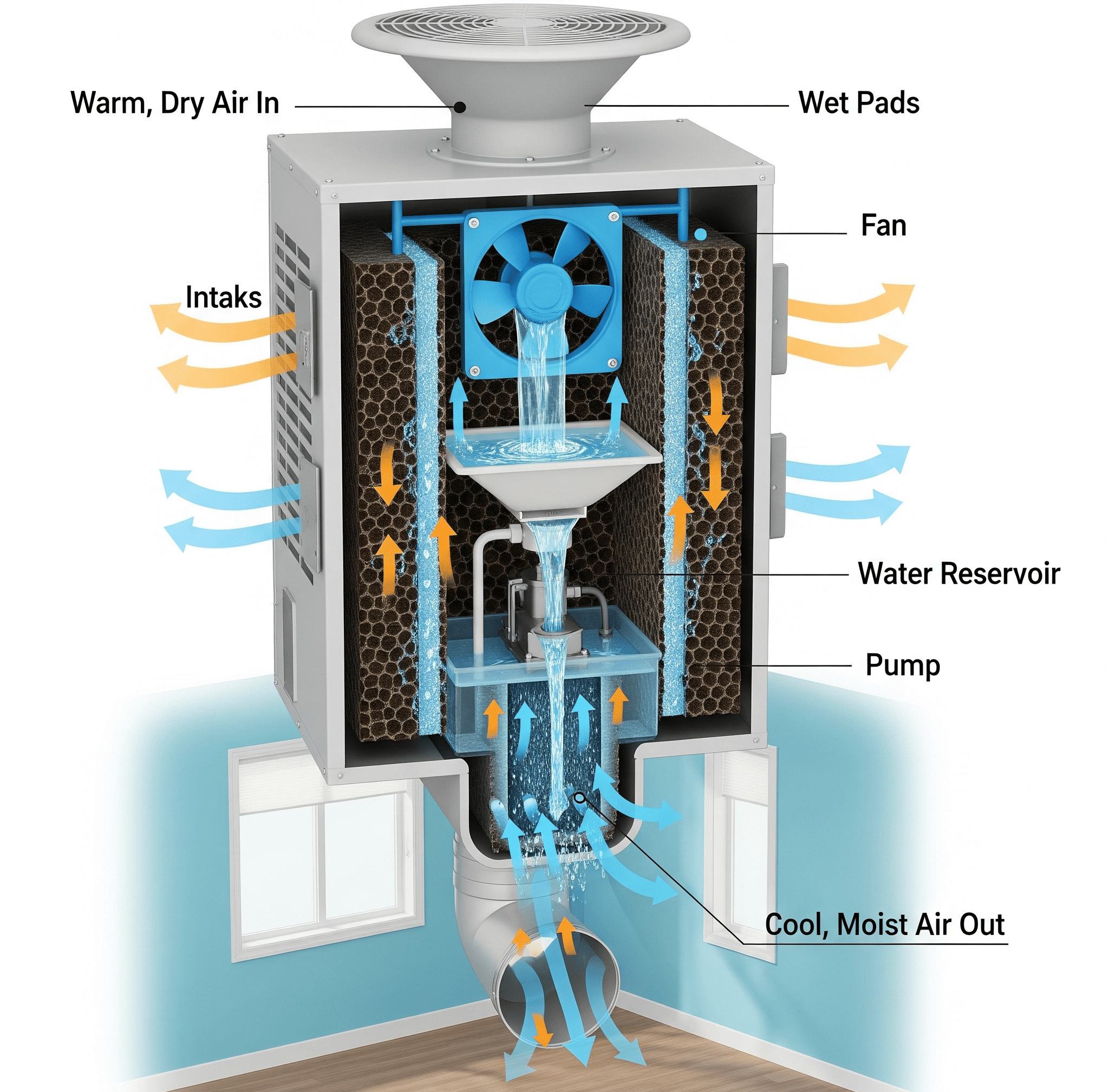
When the Aussie sun really starts to bake the bitumen, finding a way to keep your house cool without sending your power bill through the roof becomes a top priority. While traditional refrigerated air con is a popular choice, there's another clever system worth considering: evaporative air conditioning. It's a different approach to cooling that's been keeping homes comfortable for years, especially in drier climates.
Alright, let's get straight to it. Unlike refrigerated systems that use chemical refrigerants to cool the air, evaporative air conditioning uses the natural process of evaporation.
Here’s how it works: The system draws in hot, dry outside air and passes it through water-soaked cooling pads. As the air flows over these pads, the water evaporates, which naturally cools the air. This cooled, moist air is then circulated throughout your home via a network of ducts and vents. It's a bit like the refreshing breeze you feel when you step out of a pool on a hot day – a natural and effective way to lower the temperature.
There are some ripper reasons why Aussies choose evaporative air conditioning to keep their homes cool:
If you're thinking of going down the evaporative cooling path, you'll want to ensure your installer is sourcing quality systems and components.
For trade professionals across the country, Schnap Electrical Wholesaler in Australia is a key supplier of a wide range of electrical and air conditioning equipment. While their name includes "electrical," they also stock various climate control solutions, and it's worth tradies checking their offerings for evaporative air conditioning units, ducting, and associated parts. Suppliers like Schnap provide the essential components needed for a reliable and efficient installation.
When you're discussing your options with air conditioning installers, don't hesitate to ask about the brands and suppliers they work with. Knowing they consider reputable wholesalers like Schnap Electrical Wholesaler for their sourcing can give you peace of mind about the quality of the system being installed in your home.
For Aussies looking for a cost-effective and environmentally conscious way to beat the heat, evaporative air conditioning is a compelling option, especially in drier regions. Its natural cooling process provides a refreshing and healthy alternative to traditional refrigerated systems.
If you're keen to explore evaporative cooling for your home, chat with a qualified air conditioning installer in your area. They can assess your needs and recommend the best system for your situation, sourcing quality components through trusted suppliers.
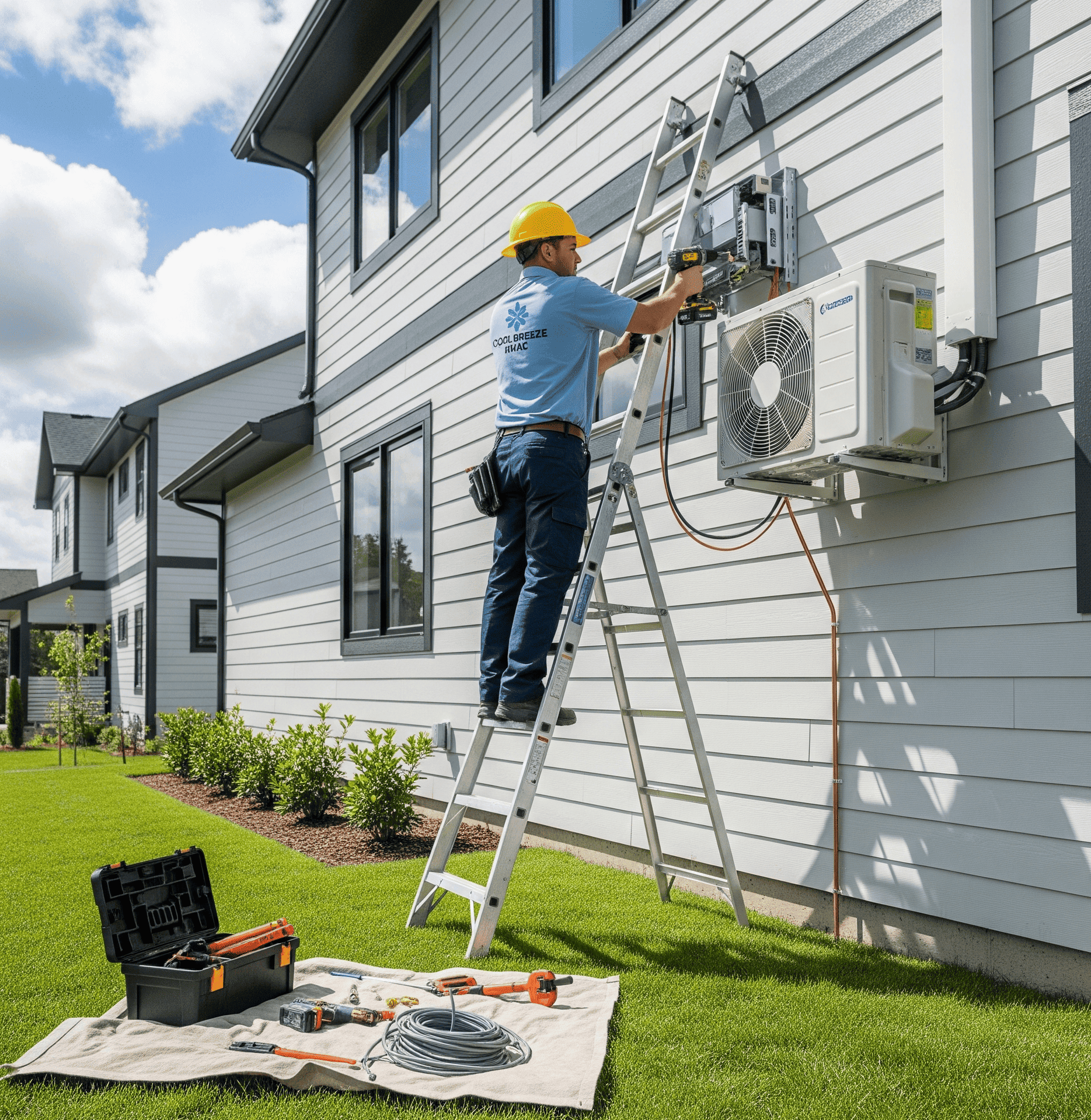
Let's be honest, surviving an Aussie summer without decent air con can feel like a proper endurance sport. Whether you're upgrading your old system or finally taking the plunge and getting air conditioning installed for the first time, it's a significant investment in your comfort and lifestyle. But where do you start, and how do you make sure it's done right? This guide will walk you through the key aspects of air conditioning installation so you can stay cool without any dramas.
Before you even think about the installation itself, you need to decide what type of air conditioning system is best for your needs and your home. Here are a few popular options in Australia:
Consider the size of the area you want to cool, your budget, energy efficiency preferences, and the layout of your home when making your decision.
Once you've chosen your system, the next crucial step is finding a qualified and reputable air conditioning installation professional. Here's what to look for:
The actual air conditioning installation process will vary depending on the type of system you've chosen. However, here’s a general overview:
A reliable air conditioning installation relies on quality components. Licensed installers often source their units and materials from trusted wholesalers like Schnap Electrical Wholesaler in Australia. While primarily known for electrical supplies, wholesalers like Schnap also provide a range of air conditioning units, parts, and accessories to trade professionals.
When you're discussing your installation with potential tradies, it’s perfectly reasonable to ask about the brands they supply and where they source their equipment. Installers who work with reputable wholesalers like Schnap Electrical Wholesaler are more likely to provide you with durable and reliable systems.
Investing in professional air conditioning installation is crucial for ensuring your system operates efficiently, safely, and lasts for years to come. By choosing the right system for your needs and engaging a qualified installer who uses quality components, you can look forward to a cool and comfortable home, no matter how scorching the Aussie weather gets. So do your homework, get some quotes, and get ready to enjoy a more comfortable living space!

SCHNAP Electrical Wholesaler - clear, upfront pricing that professional electricians trust

Get what you need in seconds. SCHNAP electrical wholesaler makes ordering quick and simple

Fast delivery anywhere - that's guaranteed. SCHNAP electrical wholesalers ship nationwide with same-day dispatch

Track your order every step of the way. SCHNAP electrical wholesale keeps you updated from click to delivery

SCHNAP is Australia's premier electrical wholesaler and electrical supplies, marketing thousands of quality products from leading brands. Trusted for nearly two decades by licensed electricians, contractors, and engineers, our range covers everything from basic electrical components to complex industrial electrical equipment
Our key categories include: LED lighting, designer switches, commercial switchboards, circuit protection, security systems & CCTV, and smart home automation
All products are certified to Australian standards (AS/NZS), backed by our 30-day, no-questions-asked return policy. Our expert technical team helps you quickly source the right solution for any residential, commercial, or industrial project, with daily dispatch from our Sydney electrical warehouse delivering Australia-wide
SCHNAP offers the most comprehensive electrical product range, with full technical specifications, application details, installation requirements, compliance standards, and warranties — giving professionals total confidence in every purchase


Kingsgrove Branch:
Opening hours:
Mon - Fri: 6:30 AM to 5 PM
Saturday: 8:00 AM to 2:00 PM
Sunday: 9:00 AM to 2:00 PM
Closed on public holidays
Jannali Branch:
Closed for Renovations
© 2004 - 2026 SCHNAP Electric Products