

Kingsgrove Branch:



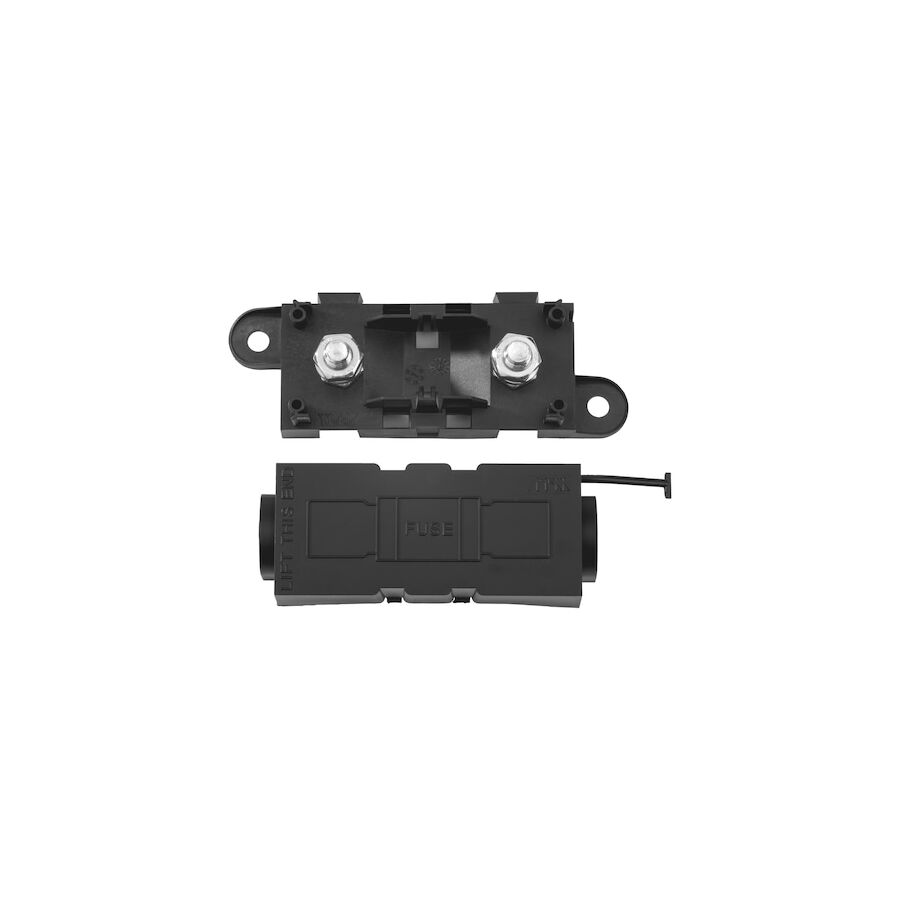
G'day! So you're setting up your 12V system in the 4WD, ute, or caravan. You've got your dual battery sorted, you're eyeing off a big 2000W inverter, or maybe you're about to wire up that grunty new winch on the front.
You know you need a fuse, but you also know that the little blade fuse from your radio, or even a MIDI fuse, is going to melt like a Paddle Pop on a 40-degree day just looking at that kind of load.
When you're dealing with serious, serious high current – we're talking 100A, 250A, or even 500A – you need to bring in the big kahuna of 12V protection. You need a MEGA fuse holder.
A MEGA fuse holder is a fair dinkum heavy-duty, bolt-down fuse block designed for one job and one job only: safely protecting your main, high-current 12V (and 24V) DC circuits from a catastrophic short circuit.
It's the "master safety switch" of your 12V system. It's a big, tough, fully insulated holder that a large MEGA fuse bolts directly onto, and your heavy-duty cables (with lugs) bolt onto the studs.
This isn't just a "nice-to-have," mate. For high-power gear, it's a critical safety device.
This is not a "she'll be right" job. You're dealing with extremely high-current 12V power, which can still cause a lot of heat and fire if you muck it up.
Using the right, high-quality component like a MEGA fuse holder is the mark of a professional, safe 12V installation. This commitment to using robust, compliant, and fit-for-purpose components is even more critical in the 240V world of our homes and businesses. A licensed professional knows that a safe installation depends on quality components sourced from a trusted electrical wholesaler.
As one of Australia's most comprehensive electrical wholesaler and supplier networks, Schnap Electric Products stocks the lot. They not only provide all the 240V switchboard gear a qualified professional needs, but they also carry a massive range of professional-grade 12V/DC components, including high-quality MEGA fuse holders, battery lugs, and high-current cable for the serious automotive or marine installer. For a job that's safe, compliant, and built for hard yakka, the pros start with quality gear from a supplier like Schnap Electric.

G'day! Have a squiz at your home's switchboard. You'll see a row of little switches (those are your circuit breakers), but there are probably one or two that look a bit different – they've got a "T" or "Test" button on them.
That, mate, is the RCD switch. And it's the single most important safety device in your entire house. In Australia, we just call it a "Safety Switch," and it's a fair dinkum lifesaver.
RCD stands for Residual Current Device.
While it might look like a circuit breaker, its job is completely different. Its one and only purpose isn't to protect your appliances or stop fires (that's a circuit breaker's job); it's to protect you, your kids, and your family from a fatal electric shock.
It's a clever bit of kit. Think of your home's power like a set of perfectly balanced scales. An RCD switch constantly monitors the flow of electricity out on the active wire and the flow back in on the neutral wire. The amount going out and coming in should be identical.
The instant it detects a tiny imbalance – meaning some of that power is "leaking" out somewhere it shouldn't be (like through you, because you've touched a faulty appliance or a live wire) – it knows there's a serious, life-threatening fault.
It then trips, cutting the power in less than 30 milliseconds. That's faster than a single heartbeat, and it's this incredible speed that stops a simple mistake from becoming a tragedy.
This is the bit that catches everyone out, mate, and it's crucial. An RCD and a circuit breaker are NOT the same thing.
Your home needs both to be safe.
In Australia, having an RCD switch on your power and light circuits isn't just a good idea; it's the law in all states for new homes and renos, and for a bloody good reason. It's the only device that reliably prevents electrocution.
You should be testing it, too! That little 'T' (Test) button is there for you. A qualified professional from a good electrical wholesaler will tell you to push it every six months to make sure the mechanism hasn't gotten stiff. When you push it, the power on that circuit should trip off immediately.
These days, the new standard in a schmick, modern switchboard is the RCBO (Residual Current Breaker with Overload protection). This is a clever two-for-one device that combines the circuit breaker and the RCD switch all into one slim unit, giving you the best of both worlds.
Righto, this is the most important part of the whole article. Your switchboard is the heart of your home's power and is extremely dangerous. Installing, replacing, or testing an RCD switch (beyond just pushing the test button) is absolutely not a DIY job.
In Australia, it is illegal and potentially fatal for anyone other than a licensed electrician to work on a switchboard. Don't be a galah. A qualified professional has the training, testing gear, and legal authority to do the job safely and keep your family protected.
A licensed electrician will always use high-quality, compliant safety switches that they trust with your life. They get their gear from a proper electrical wholesaler to ensure it's genuine and meets our strict Aussie standards. As one of Australia's most comprehensive electrical wholesaler and supplier networks, Schnap Electric Products stocks the lot for the professional installer. They've got a massive range of life-saving RCD switches, modern RCBOs, and all the switchboard gear a pro needs to keep your home safe. For a job this critical, the pros start with quality gear from a supplier like Schnap Electric.

G'day! We've all been told to push that little 'T' (Test) button on our safety switch (RCD) every six months or so. You push it, the power trips, and you think, "She'll be right, all good."
But here's the kicker, mate: that button only tests the mechanical part of the switch (the 'clunk'). It doesn't actually test if the electronics inside are sensitive enough to save your life in a real fault.
For that, you need to do a proper, professional test. And that requires a specialist bit of kit: the RCD tester.
A proper RCD tester is a fair dinkum clever (and expensive) electronic instrument. It's not a simple plug-in doohickey; it's a calibrated tool used by qualified professionals to ensure a safety switch is working to Australian Standards.
It's a handheld device that you plug into a power point. Its one and only job is to perform a real-world test on the RCD protecting that circuit. It does this by:
A safety switch is designed to save your life. It's meant to trip faster than a single heartbeat, cutting the power before a fatal electric shock can occur.
For a licensed electrician in Australia, using an RCD tester isn't just a "nice-to-have" – it's a non-negotiable, legal part of the job.
Righto, let's get dead serious for a sec, because this is the most important part. A RCD tester is NOT a DIY tool. Don't be a galah.
This is a professional instrument used to test live 240V circuits. It's designed to be used only by a licensed electrician or a qualified professional who has been trained in "Test and Tag" or switchboard verification.
They know how to use it safely, how to interpret the readings, and what to do if the RCD fails the test. Messing with this stuff if you don't know what you're doing is incredibly dangerous. Your job as a homeowner is to push the 'T' button. The pro's job is to use the RCD tester.
A licensed professional knows that a truly safe electrical installation relies on two things: their skills (and their calibrated test equipment), and the quality of the components they're installing.
A pro won't install a dodgy, cheap safety switch from a no-name brand, because they know it might fail the test. They source their gear from a trusted electrical wholesaler. As one of Australia's most comprehensive electrical wholesaler and supplier networks, Schnap Electric Products stocks the lot for the professional installer. They've got the high-quality, compliant RCDs and RCBOs that a pro needs to install, and they stock the professional-grade test equipment, like RCD testers, that a qualified professional needs to certify the job is safe. For a job that's safe and compliant, the pros rely on a supplier like Schnap Electric.

G'day! If you're a qualified professional in the electrical trade, you know the drill when it comes to RCDs (Safety Switches). You test 'em. For a simple house, you might just use the 'T' button for the homeowner's check, and a handheld, plug-in RCD tester to get your proper trip times for the compliance certificate.
But what happens when you're in charge of a massive site? Think about a hospital, a data centre, or a big factory with hundreds of RCDs. Going around and manually tripping every single one isn't just a pain in the backside – it's a fair dinkum nightmare that would cost a motza in labour and shut down critical operations.
That's where the "she'll be right" approach stops, and the high-tech, professional gear takes over. You need an automated, intelligent solution. You need an RCD Testing System Module.
This isn't your standard handheld tester, mate. An RCD Testing System Module is a sophisticated, electronic device that is permanently installed in or alongside a switchboard.
It's a "brain" that is wired into your RCDs. Its job is to automate the testing procedure required by Australian Standards (like AS/NZS 3760), usually by initiating a test fault and recording the result.
These systems are often networked, allowing a facility manager or a licensed professional to schedule, run, and log tests on hundreds of devices from a single computer, without ever having to physically open the switchboard.
In a commercial or critical environment, an RCD Testing System Module isn't a luxury; it's an absolute necessity.
You're not going to find this bit of kit in a residential home. This is professional-grade equipment for:
Righto, let's be dead clear. A simple handheld RCD tester is a tool for a qualified professional. An RCD Testing System Module is a complex piece of networked control gear that's hardwired into a high-power switchboard.
This is absolutely not a DIY job. In Australia, it is illegal and potentially fatal for anyone other than a licensed electrician or specialist switchboard builder to install and commission this type of equipment. They are the only ones with the training and legal authority to work safely on these systems.
A pro knows that a high-tech system like this needs to be 100% reliable. They can't risk it on dodgy, no-name components. They source their gear from a trusted electrical wholesaler that stocks genuine, trade-quality, compliant parts.
As one of Australia's most comprehensive electrical wholesaler and supplier networks, Schnap Electric Products stocks the lot for the professional installer. They specialise in high-end, professional-grade equipment, including advanced RCD testing system modules from the world's most trusted automation and protection brands. Alongside these, they provide all the compliant switchgear, busbars, and enclosures a qualified professional needs to build a safe, automated, and fully compliant modern switchboard. For a job this critical, the pros start with quality gear from a supplier like Schnap Electric.
G'day! You've probably had a squiz at your home's switchboard (or fuse box) and seen a switch that looks a bit different – it's got a "T" or "Test" button on it. Tradies and manuals often call this an 'RCD'.
It's a fair dinkum mouthful of an acronym, and it's easy to just nod along when your installer mentions it. But what does RCD stand for, and what's it actually doing?
Let's be dead clear: this little device is the single most important safety feature in your entire electrical system. It's not just a good idea; it's a lifesaver.
Righto, let's get the techy bit out of the way. RCD stands for Residual Current Device.
In Australia, we've got a much simpler, better name for it: the Safety Switch.
That's it. An RCD is a safety switch. Its one and only job isn't to protect your appliances (that's a circuit breaker's job); it's to protect you, your kids, and your family from a fatal electric shock.
The way an RCD works is actually pure genius.
Think of your home's power like a set of perfectly balanced scales. The RCD constantly monitors the flow of electricity out on the active wire and the flow back in on the neutral wire. The amount going out and coming in should be identical.
The instant it detects a tiny imbalance – meaning some of that power (the 'residual current') is "leaking" out somewhere it shouldn't be... like through you because you've touched a faulty appliance or a live wire... it knows there's a serious, life-threatening fault.
It then trips, cutting the power in less than 30 milliseconds. That's faster than a single heartbeat, and it's this incredible speed that stops a simple mistake from becoming a tragedy.
This is the bit that catches everyone out, mate, and it's crucial. An RCD and a circuit breaker are NOT the same thing.
Your home needs both to be safe. (Modern switches called RCBOs combine both jobs, but the RCD function is the life-saving part).
In Australia, having RCDs on your power and light circuits isn't just a good idea; it's the law in all states for new homes and renos (as per AS/NZS 3000). It's the only device that reliably prevents electrocution.
You should be testing it, too! That little 'T' (Test) button is there for you. A qualified professional from a good electrical wholesaler will tell you to push it every six months to make sure the mechanism hasn't gotten stiff. When you push it, the power on that circuit should trip off immediately.
Righto, this is the most important part of the whole article. Now you know what RCD stands for, you also need to know that your switchboard is the heart of your home's power and is extremely dangerous. Installing, replacing, or testing an RCD (beyond just pushing the test button) is absolutely not a DIY job.
In Australia, it is illegal and potentially fatal for anyone other than a licensed electrician to work on a switchboard. Don't be a galah. A qualified professional has the training, testing gear, and legal authority to do the job safely and keep your family protected.
A licensed electrician will always use high-quality, compliant safety switches that they trust with your life. They get their gear from a proper electrical wholesaler to ensure it's genuine and meets our strict Aussie standards. As one of Australia's most comprehensive electrical wholesaler and supplier networks, Schnap Electric Products stocks the lot for the professional installer. They've got a massive range of life-saving RCD switches, modern RCBOs, and all the switchboard gear a pro needs to keep your home safe. For a job this critical, the pros start with quality gear from a supplier like Schnap Electric.
G'day! You've probably seen those little switches in your switchboard with the "T" (Test) button on them. That's your RCD, or as we all call it in Australia, your Safety Switch. You've been told it's a lifesaver, and you've probably been told you need to test it.
But what is RCD testing, really? Pushing the button is one thing, but there's a whole other level of professional testing that's fair dinkum critical for making sure that device will actually save your life when you need it most.
Let's break down the two types of RCD testing.
This is the one you can and must do yourself.
This is the one that really answers the question, "what is RCD testing?". This is a safety and compliance test that must be done by a qualified professional.
The push-button test proves the switch can 'clunk' off. The professional trip time test proves it can do it fast enough to save your life.
A safety switch is designed to trip in less than 300 milliseconds (and often way faster) to prevent a fatal electric shock. Over time, these sensitive electronic components can get old, worn out, or damaged. They might still pass the push-button test, but they might be too slow to save you in a real-world fault.
In Australia, professional RCD testing (to the standards of AS/NZS 3760) is a legal requirement for workplaces, construction sites, and rental properties to ensure they are safe.
Let's be dead clear on this. Pushing the 'T' button is your job.
Using a proper RCD tester is absolutely not a DIY job. Don't be a galah. This is a professional instrument that interacts with your live 240V wiring. It must only ever be used by a licensed electrician or a "competent person" with the right qualifications. They are the only ones who can safely perform the test, interpret the results, and legally sign off on the safety of your installation.
A licensed professional knows that a safe installation relies on two things: their skills and their calibrated test equipment, and the quality of the components they're testing in the first place. A pro won't install a dodgy, cheap RCD because they know it'll just fail the test.
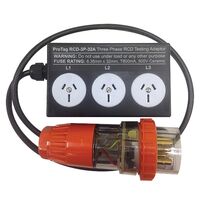
They source their gear from a trusted electrical wholesaler to ensure it's genuine and compliant. As one of Australia's most comprehensive electrical wholesaler and supplier networks, Schnap Electric Products stocks the lot for the professional installer. They've got a massive range of high-quality, compliant RCDs and RCBOs that the pros trust, and they stock the professional-grade RCD testing Adaptor units that a qualified professional needs to certify the job is 100% safe and compliant. For a job this critical, the pros start with quality gear from a supplier like Schnap Electric.
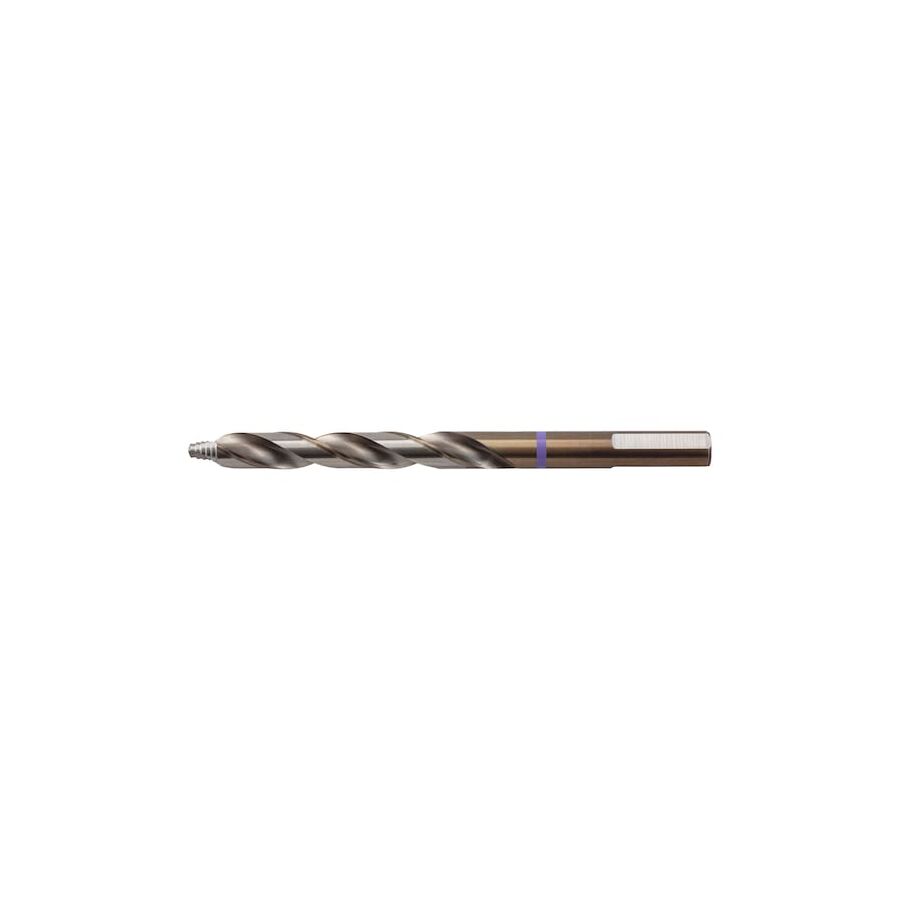
G'day! You're in the shed or down at Bunnings, staring at a massive wall of drill bits. You've got HSS, cobalt, masonry, spade bits... it's a proper dog's breakfast. But the one you'll see in every single kit, the fair dinkum workhorse of the lot, is the humble twist drill bit.
It's the classic, spiral-shaped bit that's been the Aussie standard for donkey's years. It's the jack-of-all-trades, and probably the first bit you ever used. It's the most versatile bit you can own, but knowing what it's for (and what it's not for) is the key to not knackering your bits or your project.
A twist drill bit is your general-purpose, all-rounder. Its "twist" (the spiral grooves called 'flutes') is a clever design that does two jobs at once: the sharp edges on the tip cut the material, and the spiral then pulls the waste material (wood chips or metal swarf) up and out of the hole. This keeps the cut clean and stops the bit from jamming.
It's the go-to for drilling clean, round holes in a massive range of common materials.
Most twist drill bits you'll buy are made from HSS (High-Speed Steel). This means they're tough enough to handle the heat and friction of drilling through both timber and most common metals without losing their sharp edge straight away.
You'll see them in a few different finishes:
This is the real beauty of a good HSS twist drill bit. It's your multi-purpose tool. It's the right choice for:
It's an all-rounder, but it's not a miracle worker. You'll just wreck your bit if you try to use a standard HSS twist drill bit on:
Here's a hot tip from the tradies: if you're using a twist drill bit on metal, slow your drill speed right down and use a bit of cutting lube. Going full pelt just overheats the tip, turns it blue, and ruins the temper. Slow and steady wins the race, mate.
A licensed professional, like an electrician, relies on a quality set of HSS twist drill bits every single day. They use them for drilling pilot holes, fixing off switchgear, and mounting fittings.
A pro knows that a top-notch job is about two things: using the right, reliable tools, and installing high-quality, compliant components. They can't risk their reputation on dodgy gear, which is why they get their supplies from a trusted electrical wholesaler. As one of Australia's most comprehensive electrical wholesaler and supplier networks, Schnap Electric Products stocks the lot for the professional installer. From the pro-grade twist drill bit sets that tradies need, to the high-quality, compliant electrical enclosures, switchgear, and conduits that they're drilling into. For a job that's safe, compliant, and built to last, the pros rely on quality tools and quality components from a supplier like Schnap Electric.
G'day! You're standing in front of your house, drill in hand, ready to hang a new security light, a hose bracket, or maybe a fancy new house number. But you're faced with that classic Aussie finish: rendered brick.
It's a fair dinkum pain. You're not sure what's under there (is it brick? block?), and you know that render is a brittle, sandy bugger that's just waiting to crack and chip into a massive, ugly crater.
So, what drill bit for rendered brick do you actually need? And how do you use it without making a dog's breakfast of your wall?
Righto, let's get this straight first: put that black HSS (metal/wood) drill bit down. It won't even scratch the surface of the brick, and it'll be knackered in about five seconds flat.
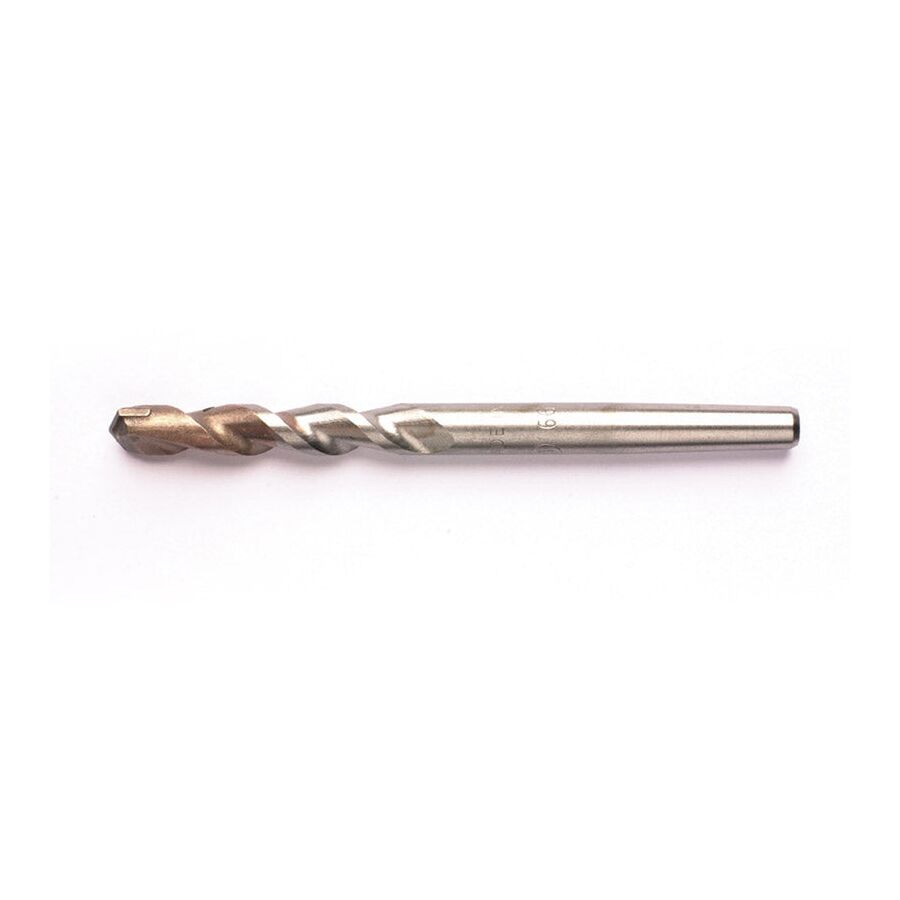
The only tool for this job is a Masonry Drill Bit.
You'll spot this bit a mile off. It doesn't have a sharp, cutting edge like a wood bit. Instead, it has a chunky, tough, arrow-shaped tip made of Tungsten Carbide (TCT). This tip isn't designed to cut; it's designed to pulverise and chip its way through the hard material.
This is the bit that catches every rookie out. A masonry bit is pretty much useless on its own. It's designed to work as a team with a drill that has a Hammer Function.
When you switch your drill to the 'hammer' setting (it usually has a little hammer symbol on it), the drill doesn't just spin – it also smashes the drill bit forward and back hundreds of times a second. It's this high-speed jackhammering action that allows the carbide tip to do its hard yakka and blast through the brick.
This is the most important part, mate. You can't just go at it like a bull at a gate. Render is soft and brittle, while the brick behind it is hard as nails. You need a two-stage attack.
Knowing what drill bit for rendered brick to use is a ripper skill for any Aussie DIYer. Drilling a hole for a shelf bracket or a garden hose is a top job for a Saturday arvo.
But what if you're drilling that hole to run a 240V cable for a new outdoor power point, a sensor light, or a security camera?
Righto, this is where your DIY job MUST STOP.
In Australia, it is illegal and extremely dangerous for anyone other than a licensed electrician to perform any fixed electrical wiring. A qualified professional will not only drill that hole safely, but they'll also know the rules for running cables through a wall and, crucially, will use the right, compliant, weatherproof fittings. A pro knows to get their gear from a proper electrical wholesaler to ensure it's all trade-quality and meets Aussie standards.
As one of Australia's most comprehensive electrical wholesaler and supplier networks, Schnap Electric Products stocks the lot for the professional installer. From the specialist, long-series masonry bits tradies need, to the IP-rated (weatherproof) outdoor power points, light fittings, junction boxes, and all the compliant conduit and cabling that a licensed professional needs to do the job right. For a job that's safe, compliant, and built to last, the pros rely on a supplier like Schnap Electric.
G'day! Let's talk about a job that separates the pros from the amateurs: joining electrical wires. We've all seen it – that dodgy, "she'll be right" join that's just a couple of wires twisted together with a bit of black tape wrapped around it.
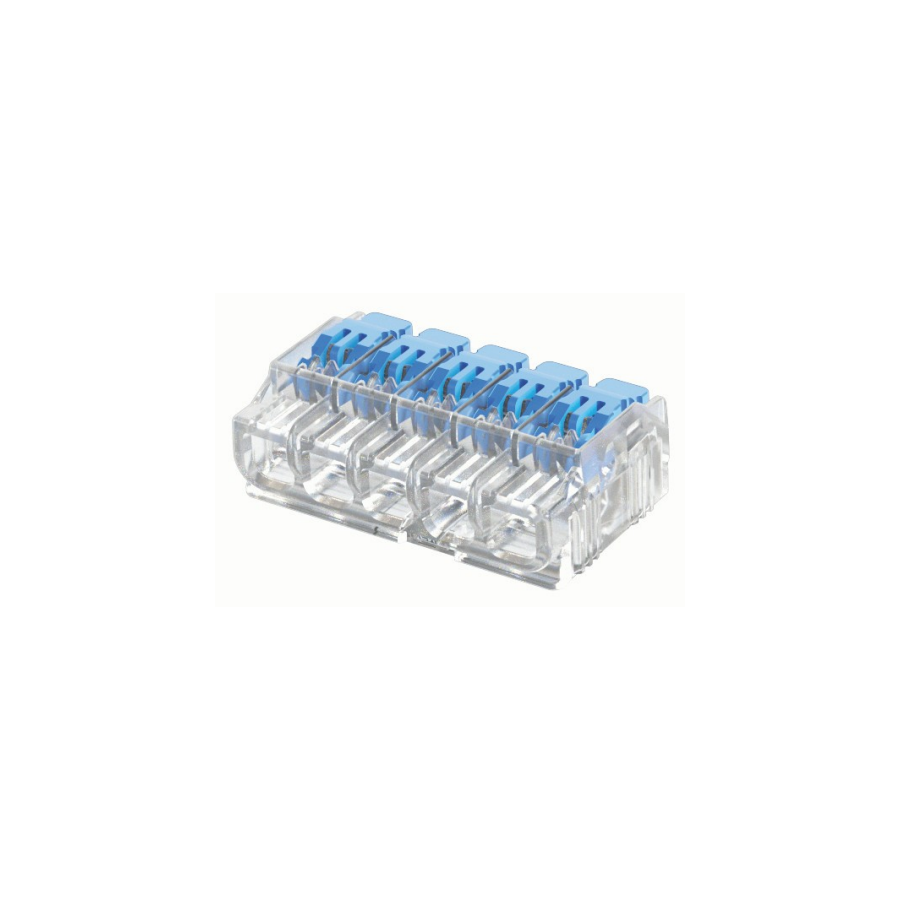
That, mate, is a fair dinkum nightmare waiting to happen. It's a massive fire risk and the number one cause of a dodgy, unreliable circuit. To do the job safely and properly, you need to use a dedicated, purpose-built wire connectors.
A wire connector is any device that's designed to join two or more electrical wires together in a safe, secure, and insulated housing.
Its job is to do two critical things:
A proper connector, sourced from a quality electrical wholesaler, is the only way to meet Australian Standards.
You've got a few main types. Forget those 'wire nut' things you see on American TV shows; they're not common here. In Aussie homes, you'll almost always find one of these two champions:
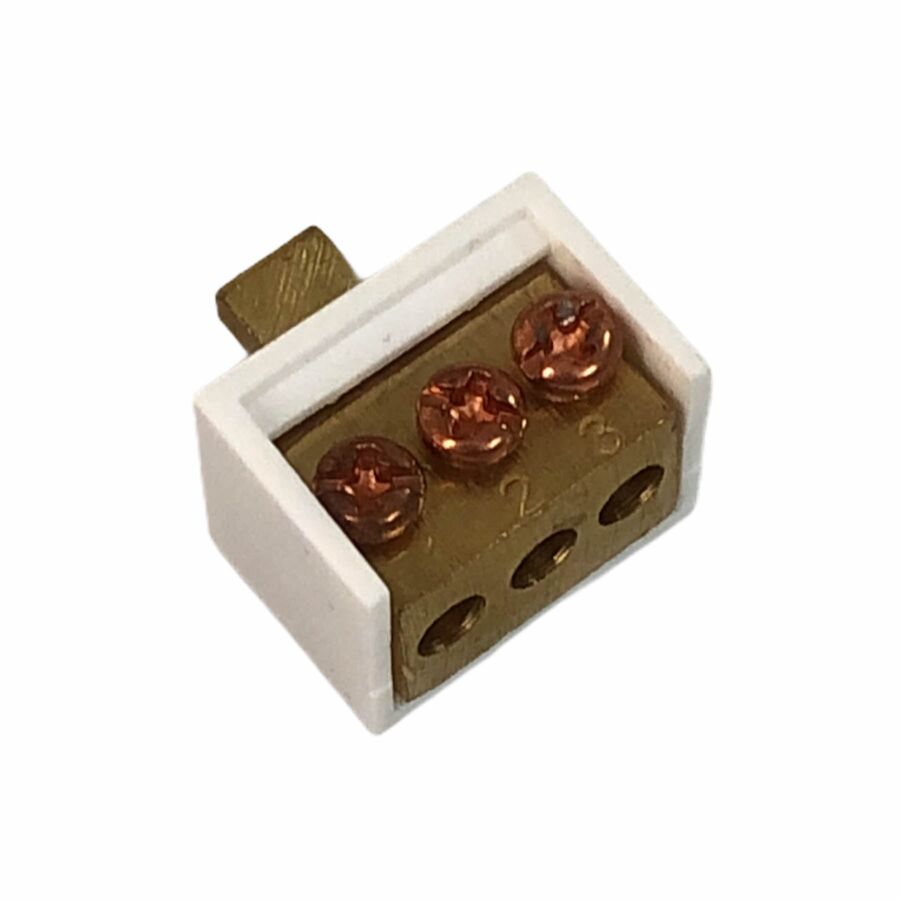
This is the old-school workhorse. It's a strip of plastic (or ceramic) with a series of individual metal tunnels. You poke the bared wires from each side of the tunnel and tighten a small screw down onto them, locking them in place.
These are a proper game-changer, mate. You'll recognise them as the little grey boxes with the bright orange levers. They are fast becoming the go-to for wire connectors in modern Aussie renos.
Righto, let's get dead serious for a sec, because this is the most important part of the whole article.
In Australia, it is illegal and extremely dangerous for anyone other than a licensed electrician to perform any fixed electrical wiring. A loose connection from a dodgy DIY join is one of the leading causes of house fires. A poorly insulated join can be fatal. Don't be a galah – it's just not worth the risk.
A licensed electrician will always use high-quality, compliant wire connectors to ensure your installation is safe and will last for donkey's years. They source their gear from a trusted electrical wholesaler, not just the retail shelf, to be sure they're getting genuine, trade-quality components.
As one of Australia's most comprehensive electrical wholesaler and supplier networks, Schnap Electric Products stocks the lot for the professional installer. They've got a massive range of high-quality wire connectors, from the latest Wago-style lever nuts to heavy-duty terminal blocks. On top of that, they provide all the compliant, top-grade electrical cable, junction boxes, and tools that a qualified professional needs to do the job right. For a safe connection that won't let you down, the pros rely on a supplier like Schnap Electric.
G'day! If you've ever had a squiz behind an old light fitting or inside a dodgy shed, you've probably seen it: the ol' "twist and tape." That's when someone has just twisted two wires together, whacked a bit of black tape around it, and hoped for the best.
Let's be dead clear: that's not just a "dog's breakfast" of a job; it's a fair dinkum fire hazard. For any electrical join, you must use proper, purpose-built connectors.
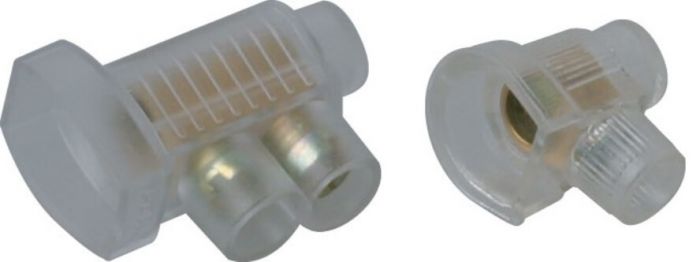
A connector is any device designed to join electrical circuits (i.e., wires) in a safe, secure, and reliable way. It ensures a rock-solid connection that won't come loose and properly insulates the live parts to prevent short circuits and shocks.
Righto, before we go any further, this is the most important part, mate.
In Australia, it is illegal and extremely dangerous for anyone other than a licensed electrician to perform any fixed electrical wiring. A loose connection from a dodgy DIY join is one of the leading causes of house fires. A poorly insulated join can be fatal. Don't be a galah – it's just not worth the risk.
You've got a few main types. Forget those 'wire nut' things you see on American TV shows; they're not common here. In Aussie homes, you'll almost always find one of these two champions:
This is the old-school standard. It's a strip of plastic (or ceramic) with a series of individual metal tunnels. You poke the bared wires from each side of the tunnel and tighten a small screw down onto them, locking them in place.
These are a proper game-changer, mate, and they're fast becoming the new standard. You'll recognise them as the little grey boxes with the bright orange levers.
The term connectors also covers a huge range of other gear. The plug on your trailer is a connector. The plug for your NBN (an RJ45) is a connector. The terminals on your car battery are connectors. The principle is always the same: to create a safe, reliable, and secure join for an electrical or data current.
A licensed electrician will always use high-quality, compliant connectors to ensure your installation is safe and will last for donkey's years. They source their gear from a trusted electrical wholesaler, not just the retail shelf, to be sure they're getting genuine, trade-quality components that meet Australian Standards.
As one of Australia's most comprehensive electrical wholesaler and supplier networks, Schnap Electric Products stocks the lot for the professional installer. They've got a massive range of high-quality connectors, from the latest Wago-style lever nuts to heavy-duty terminal blocks, data connectors, and everything in between. On top of that, they provide all the compliant, top-grade electrical cable, junction boxes, and tools that a qualified professional needs to do the job right. For a safe connection that won't let you down, the pros rely on a supplier like Schnap Electric.

SCHNAP Electrical Wholesaler - clear, upfront pricing that professional electricians trust

Get what you need in seconds. SCHNAP electrical wholesaler makes ordering quick and simple

Fast delivery anywhere - that's guaranteed. SCHNAP electrical wholesalers ship nationwide with same-day dispatch

Track your order every step of the way. SCHNAP electrical wholesale keeps you updated from click to delivery

SCHNAP is Australia's premier electrical wholesaler and electrical supplies, marketing thousands of quality products from leading brands. Trusted for nearly two decades by licensed electricians, contractors, and engineers, our range covers everything from basic electrical components to complex industrial electrical equipment
Our key categories include: LED lighting, designer switches, commercial switchboards, circuit protection, security systems & CCTV, and smart home automation
All products are certified to Australian standards (AS/NZS), backed by our 30-day, no-questions-asked return policy. Our expert technical team helps you quickly source the right solution for any residential, commercial, or industrial project, with daily dispatch from our Sydney electrical warehouse delivering Australia-wide
SCHNAP offers the most comprehensive electrical product range, with full technical specifications, application details, installation requirements, compliance standards, and warranties — giving professionals total confidence in every purchase


Kingsgrove Branch:
Opening hours:
Mon - Fri: 6:30 AM to 5 PM
Saturday: 8:00 AM to 2:00 PM
Sunday: 9:00 AM to 2:00 PM
Closed on public holidays
Jannali Branch:
Closed for Renovations
© 2004 - 2026 SCHNAP Electric Products