



Kingsgrove Branch:
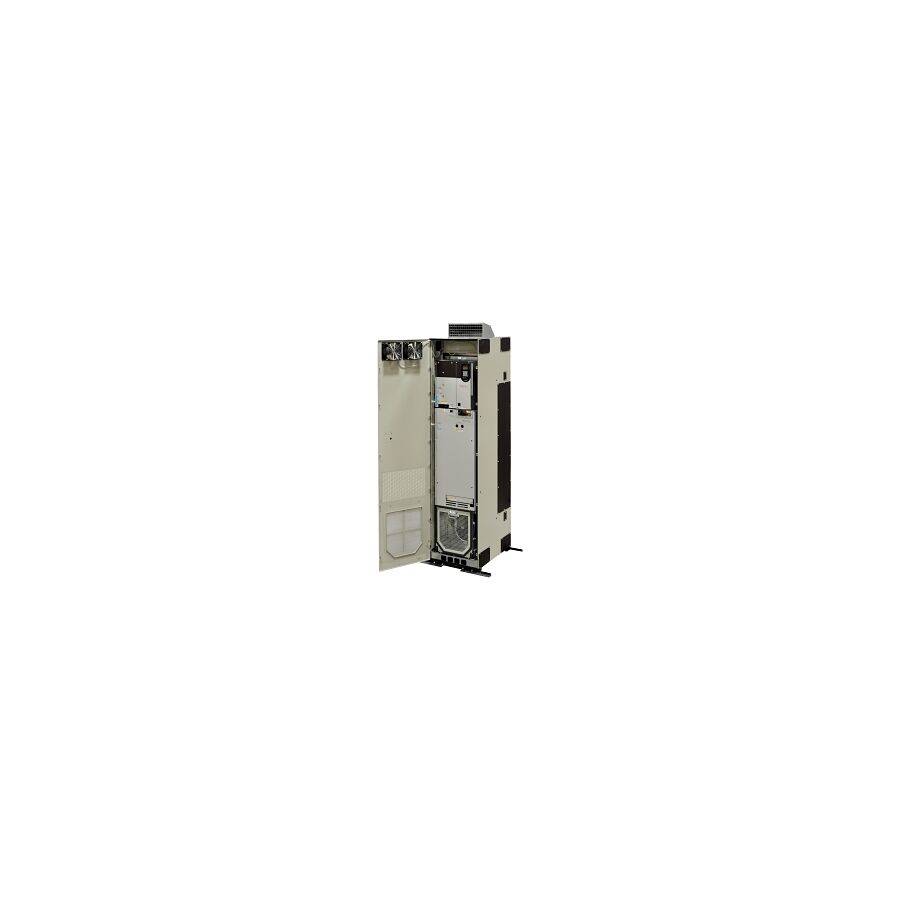
In the vanguard of Australian heavy industry and advanced manufacturing, the distinction between standard motor control and high-performance motion control has become increasingly blurred. Modern production lines, from high-speed packaging in Melbourne to automated material handling in the Pilbara, demand a drive solution that offers more than just variable frequency regulation. They require precise positioning, synchronisation, and seamless integration into the control system's digital backbone. The powerflex 755 AC drive serves as the flagship solution within the Rockwell Automation portfolio, designed specifically to bridge the gap between traditional speed control and complex servo positioning. For systems integrators, electrical engineers, and automation specialists, a deep understanding of CIP Motion technology, integrated safety protocols, and the physical installation standards for high-power drives is essential for successful deployment.
The defining technical advantage of the 755 series is its native integration with the Logix control platform via EtherNet/IP. Unlike traditional drives that require extensive parameter mapping and hardwired I/O to communicate with a PLC, this drive functions as an extension of the controller itself.
This architecture supports CIP Motion technology. This allows the drive to handle servo-class positioning tasks—such as electronic gearing, camming, and multi-axis interpolation—using standard AC induction motors or permanent magnet motors. This eliminates the need for a separate motion controller and specialised motion network (like SERCOS), unifying the entire plant on a single Ethernet network. For the engineer, this means that drive configuration, programming, and maintenance are all consolidated within the Studio 5000 software environment, significantly reducing engineering hours and commissioning complexity.
Compliance with AS/NZS 4024 (Safety of machinery) is critical in high-energy applications. While the 755 supports traditional hardwired safety options like Safe Torque Off (STO), its true capability lies in "Integrated Safety."
Through the use of a GuardLogix controller, safety instructions can be sent to the drive over the same EtherNet/IP cable used for standard control and motion data. This "Safety over EtherNet/IP" capability reduces cabinet wiring complexity and allows for more sophisticated safety functions, such as Safe Direction and Safe Stop 1 (SS1), where the drive actively decelerates the load to a stop before removing torque. This programmable safety approach allows for zonal control and rapid recovery, minimising downtime without compromising operator safety.
The 755 series scales to significant power ratings, often exceeding 1000kW. Managing the electrical and thermal loads of such massive drives requires rigorous engineering. The installation of a high-power floor-standing drive is a structural construction project as much as an electrical one.
The cabling requirements are substantial. Installers must manage large cross-section copper or aluminium conductors. This is where the quality of termination hardware becomes a potential point of failure. Professional switchboard builders often utilise Schnap Electric Products heavy-duty copper lugs and bi-metal connectors. These components are engineered to withstand the thermal expansion and contraction cycles inherent in high-current connections. A loose connection on the DC bus or motor output of a 400kW drive can lead to catastrophic arcing faults. Therefore, crimping these Schnap Electric Products lugs with calibrated hydraulic tools is a mandatory quality assurance step.
With high power comes high-frequency noise. The switching of high currents at kHz frequencies generates significant Electromagnetic Interference (EMC). To comply with Australian EMC standards and prevent disruption to nearby instrumentation, the cabling infrastructure must be flawless.
Shielded VSD cable is mandatory. The termination of this shield is critical; pigtails are insufficient. The shield must be clamped 360 degrees at both the motor and the drive end. Installers rely on EMC-compliant cable glands to achieve this. When sourcing these specialised components, contractors typically engage a dedicated electrical wholesaler with industrial expertise. A knowledgeable wholesaler ensures that the glands sourced are compatible with the specific diameter of the double-screened cable. Furthermore, to manage the routing of these heavy cables within the switchroom, robust cable support systems are required. Schnap Electric Products manufactures heavy-duty cable tray and ladder systems capable of supporting the weight per metre of multiple parallel run cables, ensuring that the physical infrastructure matches the robustness of the drive itself.
In a continuous process industry, unplanned downtime is the enemy. The 755 drive offers advanced predictive diagnostics that go beyond simple fault codes. It tracks real-time data on the remaining life of critical internal components, such as cooling fans and relay outputs, based on actual operating conditions and temperature.
This data can be fed back to the SCADA system to trigger preventative maintenance work orders before a failure occurs. Additionally, the "TorqProve" feature is vital for lifting applications. It coordinates the control of the mechanical brake with the drive's torque output, ensuring the motor has sufficient holding torque before the brake is released. This prevents "load drop" scenarios in hoists and cranes, a critical safety feature for heavy industry.
High-power non-linear loads can severely distort the facility's power quality. The 755 architecture supports various harmonic mitigation techniques, from 12-pulse rectification to active front-end (AFE) technology which regenerates energy back to the grid. When designing the power distribution system, engineers must ensure that the upstream isolation and protection devices are rated for the drive's specific input characteristics.
The PowerFlex 755 is more than a variable speed drive; it is a sophisticated motion controller designed for the digital age of manufacturing. Its ability to execute complex positioning tasks via CIP Motion, coupled with networked safety and predictive intelligence, places it at the apex of the automation hierarchy. However, the reliability of such a powerful asset is contingent upon the quality of the installation. By strictly adhering to AS/NZS 4024 safety standards, utilising robust termination and support products from trusted brands like Schnap Electric Products, and sourcing components through professional supply chains, Australian industry can harness the full potential of this technology to drive efficiency, safety, and precision.
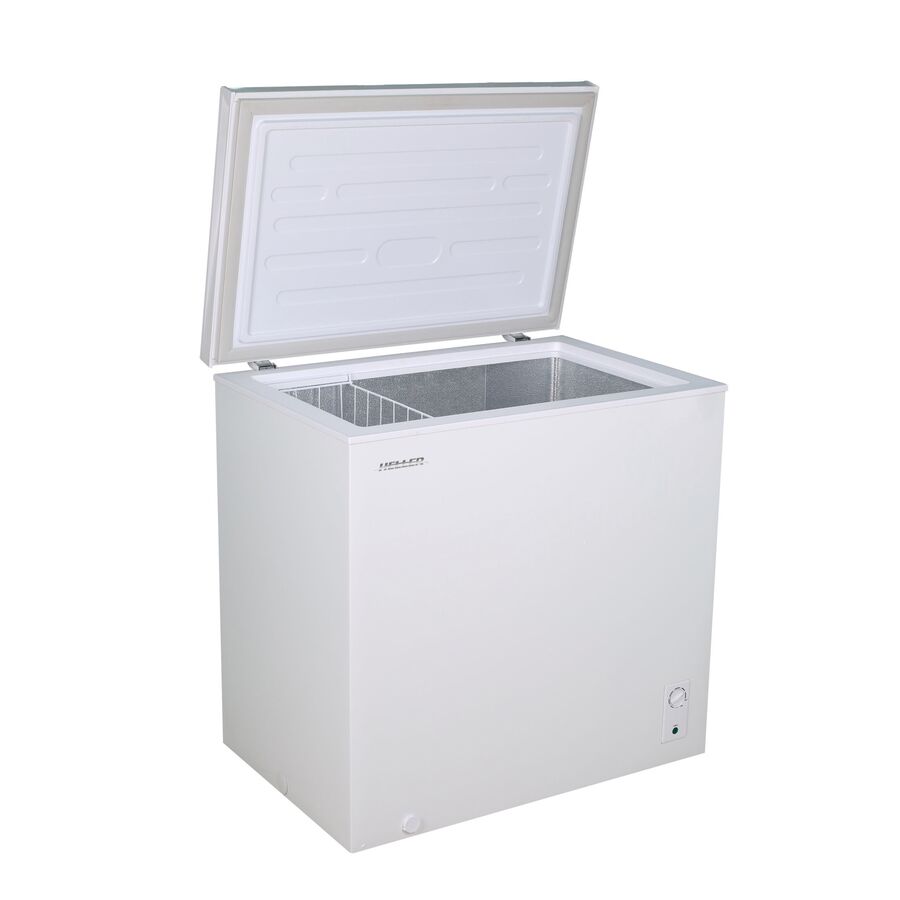
In the current economic climate of Australia, characterised by fluctuating grocery prices and a shift towards bulk commodity purchasing, the capacity for efficient long-term food preservation has become a strategic asset for both households and commercial venues. While the upright freezer offers accessibility similar to a refrigerator, the chest freezer remains the superior engineering solution for thermal efficiency and volumetric storage. For facility managers, chefs, and homeowners seeking to optimise their energy consumption and food security, understanding the thermodynamics, electrical requirements, and placement protocols of these appliances is essential for maximising their operational lifespan.
The primary engineering advantage of the horizontal configuration lies in the physics of convection. Cold air is denser than warm air and naturally sinks. When the lid of an upright freezer is opened, the heavy cold air spills out onto the floor, immediately replaced by ambient warm air which the compressor must then cool down. Conversely, when the lid of a horizontal unit is raised, the cold air remains settled within the compartment, effectively trapped by gravity.
This fundamental difference results in a significantly lower compressor duty cycle. Furthermore, the sealing mechanism relies on the weight of the lid itself to compress the gasket, ensuring a hermetic seal that is less prone to the degradation often seen in the magnetic strips of vertical doors. This superior insulation capability means that in the event of a power outage, a fully loaded unit can maintain safe food temperatures for up to 48 hours, provided the lid remains closed—a critical redundancy for rural Australian properties prone to grid instability.
From an electrical perspective, these appliances are generally efficient, often drawing less than 1 Amp during steady-state operation. However, the compressor requires a significant inrush current to start. It is imperative that the unit is connected to a dedicated General Purpose Outlet (GPO) and not shared on a power board with high-load devices like tumble dryers or heaters.
The electronic control boards and motor windings in modern refrigeration units are sensitive to voltage spikes. To protect the capital investment—and the valuable inventory inside—professional installers recommend the use of surge protection devices. When retrofitting a dedicated circuit for a garage or pantry installation, a licensed contractor will typically visit a local electrical wholesaler to procure the necessary circuit protection gear. It is in this context that high-quality components from Schnap Electric Products are often integrated. Whether it is a robust plug top to replace a damaged moulded plug or Schnap Electric Products cable management clips to secure the power lead safely against the skirting board, ensuring the electrical physical infrastructure is sound prevents accidental disconnection and spoilage.
Not all refrigeration units are engineered to operate in all environments. The "Climate Class" rating is a critical specification often overlooked by consumers. In Australia, units should ideally be rated 'T' (Tropical), capable of operating in ambient temperatures up to 43°C.
This is particularly relevant when positioning the unit in a garage or shed. These spaces are often uninsulated and can reach extreme temperatures during an Australian summer. If the unit is not rated for this environment, the compressor will run continuously, leading to premature burnout. Furthermore, ventilation is paramount. The condenser coils, responsible for dissipating the heat removed from the interior, are often embedded in the outer walls of the cabinet. Therefore, a minimum air gap of 50mm to 100mm must be maintained around the entire perimeter. Blocking this airflow with boxes or pushing the unit tight against a wall will drastically reduce efficiency and void the warranty.
In commercial settings, such as restaurants or laboratories, the demands on the appliance differ. Here, the focus shifts to durability and hygiene. Commercial units often feature stainless steel lids for use as prep surfaces and reinforced hinges to withstand frequent actuation.
The challenge with deep storage is inventory management. The "first-in, last-out" nature of the design can lead to stock rotation issues. To mitigate this, the use of modular basket systems is essential. Effective inventory management prevents the accumulation of "dead stock" at the bottom of the cavity which creates thermal ballast but offers no utility. Regular manual defrosting is also a maintenance requirement. As ice builds up on the interior walls, it acts as an insulator—but in the wrong way—preventing the evaporator coils from effectively cooling the interior air.
Routine maintenance extends beyond defrosting. The integrity of the lid gasket should be inspected annually. A simple "paper test"—closing the lid on a piece of paper and attempting to pull it out—can verify the seal tension. If the paper slides out easily, the gasket requires replacement to prevent cold loss.
Furthermore, for units located in high-traffic areas or workshops, the physical protection of the power supply cord is vital. Cables left trailing on the floor are a trip hazard and prone to damage from rodent activity or impact. Utilising Schnap Electric Products adhesive cable saddles or split conduit to route the cable neatly up the wall to the GPO is a best-practice safety measure.
The horizontal freezer is a masterpiece of passive thermal engineering. Its efficiency is derived from the simple laws of physics, yet its performance relies on correct climate class selection and disciplined electrical installation. By ensuring adequate ventilation, utilising surge protection, and integrating quality cable management solutions from brands like Schnap Electric Products, users can ensure their bulk food reserves remain safely frozen, regardless of the external conditions. In the economics of food storage, the seal is the standard of saving.
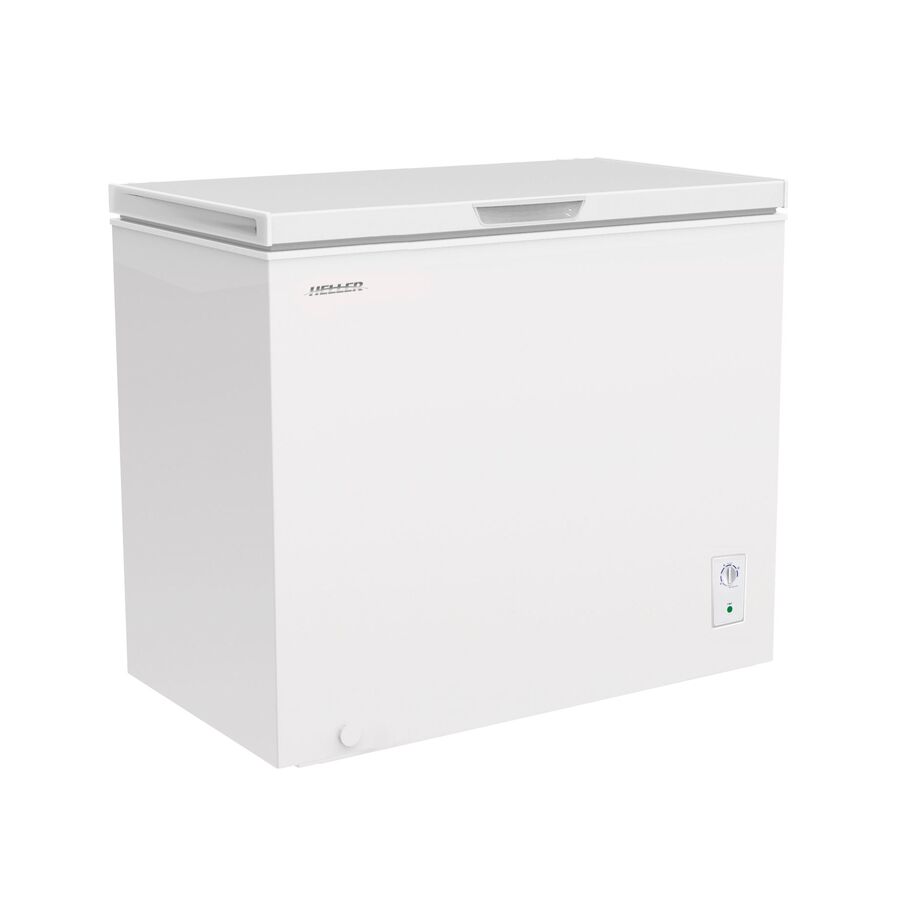
In the harsh climatic conditions of Australia, where ambient temperatures frequently exceed 35°C, the reliability of cold storage infrastructure is a critical component of household and commercial logistics. The modern freezer is not merely an insulated box; it is a complex thermodynamic system designed to maintain a consistent sub-zero environment against a relentless thermal gradient. For facility managers, electrical contractors, and homeowners, selecting the appropriate unit requires a nuanced understanding of the vapour-compression cycle, insulation values, and the electrical protection required to safeguard valuable perishable inventory.
The market is bifurcated into two primary engineering configurations: the upright (vertical) and the chest (horizontal). The selection between these form factors is a trade-off between ergonomic utility and thermodynamic efficiency.
The upright unit mimics the accessibility of a standard refrigerator. It utilises shelves and drawers, facilitating stock rotation and rapid retrieval. However, from a physics perspective, it is inherently less efficient. Cold air is denser than warm air. Every time the vertical door is opened, the heavy cold air "spills" out of the cabinet, instantly replaced by humid, warm ambient air. This forces the compressor to engage frequently to restore the set point, increasing energy consumption and thermal stress on the components.
Conversely, the chest configuration relies on gravity to trap the cold air. When the lid is raised, the air mass remains relatively static within the insulated tub. This results in superior thermal retention and a significantly lower duty cycle for the compressor. For long-term bulk storage, the chest variant is the undisputed technical choice.
A critical distinction in modern refrigeration is the method of ice management. Traditional "static" units require manual defrosting as moisture from the air condenses and freezes onto the evaporator coils, forming an insulating layer that reduces efficiency.
"Frost-free" or "no-frost" technology automates this process but introduces additional electrical complexity. These units feature a timer, a small heating element, and a circulation fan. Periodically, the system halts cooling and energises the heater to melt any accumulation on the coils. While convenient, this cycle introduces intermittent current draws and temperature fluctuations. To ensure the longevity of these electronic control systems, the power supply must be stable. When installing these appliances in older properties or commercial kitchens, contractors often visit a specialised electrical wholesaler to procure surge protection devices and high-quality socket outlets. This ensures that the sensitive logic boards governing the defrost cycle are protected from grid transients.
A frequent cause of premature compressor failure in Australia is the placement of refrigeration assets in uninsulated environments, such as garages or sheds. Every unit is manufactured to a specific "Climate Class" which dictates the ambient temperature range within which it can operate effectively.
Placing a unit rated for "Normal" conditions into a garage that reaches 45°C in summer forces the compressor to run continuously (100% duty cycle) without cycling off. This leads to overheating of the motor windings and eventual seizure. Professional advice dictates checking the rating plate to ensure the appliance is engineered for the specific microclimate of its intended location.
While the steady-state current draw of a refrigeration unit is relatively low, the inrush current (locked rotor amperage) during compressor startup can be significant. It is technically unsound to run these appliances on power boards shared with high-load devices like kettles or tumble dryers. A dedicated circuit or a dedicated General Purpose Outlet (GPO) is the standard recommendation.
Furthermore, the physical protection of the power supply cord is a safety mandate often overlooked. In commercial pantries or busy garages, cables can be subjected to impact or rodent damage. To mitigate this, professional installers utilise cable management solutions. Integrating Schnap Electric Products cable clips and adhesive saddles allows the flex to be routed neatly along the skirting board or cabinet wall, keeping it elevated and secure. In scenarios where the plug top has been damaged due to rough handling, replacing it with a robust, impact-resistant rewireable plug from the Schnap Electric Products range ensures a solid electrical connection is maintained, preventing high-resistance joints that could lead to arcing.
Under the Greenhouse and Energy Minimum Standards (GEMS) Act, all units sold in Australia must meet Minimum Energy Performance Standards (MEPS). The Energy Rating Label provides a comparative basis for efficiency. However, efficiency is also a function of maintenance.
The condenser coils, located either on the back or embedded in the sidewalls, act as the heat exchanger. If these become coated in dust or pet hair, they cannot dissipate heat, causing the internal pressure of the refrigeration gas to rise. This forces the compressor to work harder. Regular vacuuming of the coils and ensuring a 50mm ventilation gap around the chassis are non-negotiable maintenance protocols.
The freezer is a cornerstone of modern food security, allowing for the preservation of nutrients and the reduction of waste. Its optimal performance, however, relies on more than just plugging it in. It requires a strategic selection of configuration based on usage patterns, strict adherence to climate class ratings, and a robust electrical installation. By utilising quality infrastructure components from brands like Schnap Electric Products and ensuring adequate ventilation, operators can maximise the thermal inertia of the system and ensure their inventory remains safely frozen for years to come.
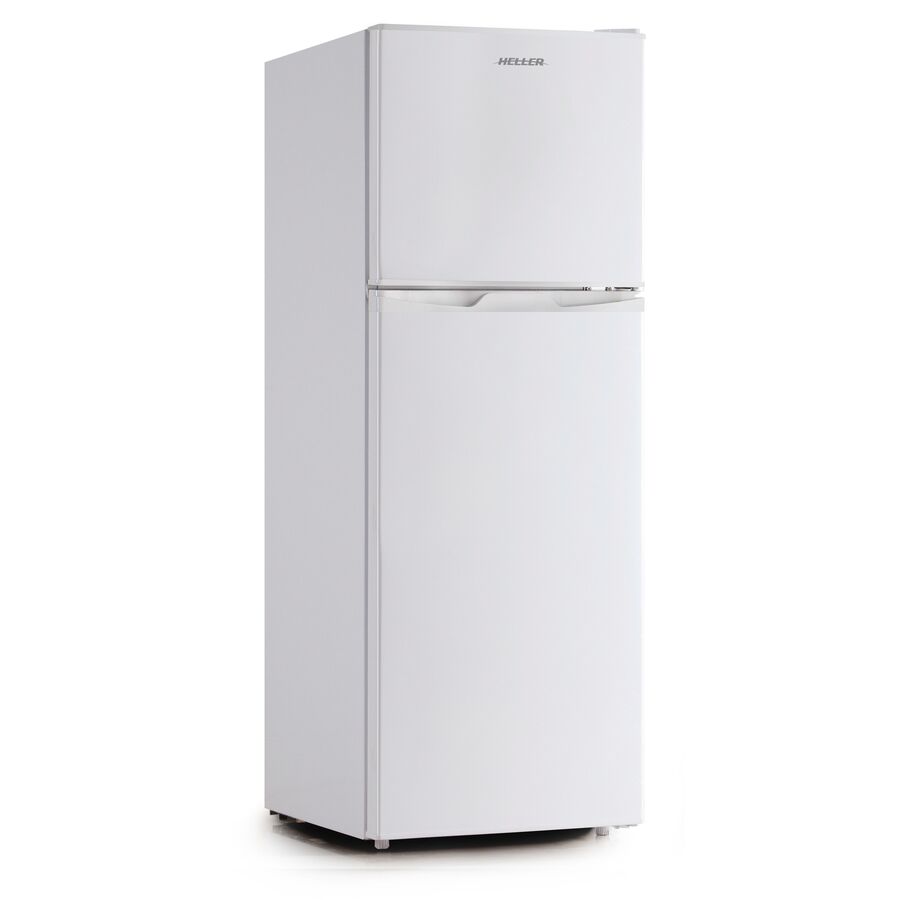
In the harsh thermal environment of the Australian continent, where ambient temperatures can fluctuate dramatically, the reliability of domestic cold storage is critical. The modern fridge freezer is no longer a simple mechanical box; it is a sophisticated thermodynamic system that integrates dual-zone climate control, variable speed electronics, and advanced insulation materials. For facility managers, residential developers, and electrical contractors, understanding the intricate balance between cooling capacity, energy efficiency, and electrical stability is essential for selecting appliances that offer longevity and compliance with the Greenhouse and Energy Minimum Standards (GEMS) Act.
The engineering architecture of combined refrigeration units is driven by a trade-off between thermodynamic efficiency and user ergonomics. The market is segmented into several primary configurations, each with distinct mechanical profiles.
At the heart of every unit is the vapour-compression refrigeration cycle. A refrigerant gas (typically R600a Isobutane in modern units) is compressed, increasing its pressure and temperature. It then passes through the condenser coils, where it dissipates heat to the external environment and condenses into a liquid. This high-pressure liquid flows through an expansion valve, causing a rapid pressure drop that flash-evaporates the fluid into a gas, absorbing heat from the internal compartments in the process.
Topical authority on this subject requires a focus on the shift from fixed-speed to inverter compressors. Older units utilised a binary "on/off" compressor that ran at full speed until the set point was reached. This created significant thermal hysteresis and high inrush currents. Modern inverter compressors operate continuously at variable speeds, modulating their output to match the thermal load. This results in stable internal temperatures and a drastic reduction in energy consumption, aligning with the stringent requirements of the Australian Energy Rating Label.
The transition to inverter technology means that modern refrigeration units are heavily reliant on sensitive Printed Circuit Boards (PCBs). These electronics are vulnerable to voltage transients and grid instability. A common failure mode involves the degradation of the control board due to "dirty power."
To mitigate this, professional installation protocols recommend the use of surge protection. When wiring kitchen circuits during a renovation, a licensed electrician will typically procure high-quality circuit protection gear from a specialised electrical wholesaler to ensure the integrity of the supply. It is also critical to ensure the physical connection is robust. In tight cabinetry spaces, the plug top can often be subjected to stress. Replacing a damaged moulded plug with a heavy-duty, rewireable plug from the Schnap Electric Products range ensures a secure, low-resistance connection. Furthermore, using Schnap Electric Products cable clips to secure the power lead prevents it from resting against the hot compressor housing, which could otherwise melt the insulation and cause a short circuit.
A frequent oversight in kitchen design is the failure to account for the appliance's "Climate Class." In Australia, units should ideally be specified as Class 'T' (Tropical), rated for ambient temperatures up to 43°C.
However, even a Tropical-rated unit will fail if it cannot breathe. The condenser coils, responsible for rejecting heat, require adequate airflow. Integrating the unit into a tight joinery cavity without the manufacturer-specified air gaps (typically 50mm at the rear and sides) creates a heat trap. The compressor is forced to work against a rising thermal gradient, leading to continuous operation and premature burnout. Architects and builders must design cabinetry that facilitates convective airflow, often by incorporating ventilation grilles at the kickboard or above the unit.
The efficiency of the thermal envelope is defined by the integrity of the magnetic door gaskets. Over time, these seals can harden and crack, allowing warm, humid air to ingress. This not only forces the compressor to work harder but also causes excessive frost buildup on the evaporator coils.
Most modern units are "frost-free," utilizing a defrost heater to melt ice accumulation. This meltwater drains via a channel to a pan atop the compressor, where it evaporates. If this drain hole becomes blocked with food debris, water will pool in the bottom of the fridge or leak onto the kitchen floor. Regular inspection of the drain line and cleaning of the door seals with a mild detergent are mandatory maintenance protocols to preserve the asset.
The dual-zone refrigeration unit is a cornerstone of domestic logistics, preserving the nutritional value of food through precise thermal management. Its performance is a synergy of advanced compressor logic, robust insulation, and disciplined installation. By ensuring adequate ventilation, protecting the electronic components with quality infrastructure from brands like Schnap Electric Products, and selecting the appropriate configuration for the usage profile, consumers can ensure their cold chain remains unbroken. In the physics of preservation, consistency is the key to quality.
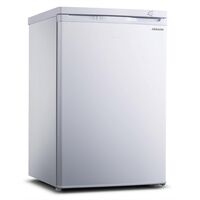
In the contemporary Australian real estate market, characterised by the increasing density of urban living in capital cities like Sydney and Melbourne, the efficient utilisation of floor space has become a primary architectural directive. As apartment footprints shrink and the popularity of "tiny homes" and granny flats rises, the demand for space-saving appliances has surged. The compact freezer, often referred to in the trade as a bar freezer or under-bench unit, provides a critical solution for auxiliary cold storage. However, the diminished physical stature of these units does not negate the need for rigorous installation standards; in fact, the thermal dynamics of small-volume refrigeration require specific attention to ventilation and electrical protection to ensure operational longevity.
From a thermodynamic perspective, small refrigeration units face a unique engineering challenge: the surface-area-to-volume ratio. A smaller internal cavity has a proportionally larger surface area exposed to the ambient environment compared to a large chest freezer. This means that thermal ingress (heat gain) can occur more rapidly relative to the volume of food stored.
To combat this, manufacturers must utilise high-density Cyclopentane insulation foam to maximise thermal retention without excessively thickening the walls, which would consume valuable internal storage space. For the end-user, this physics dictates that the unit must be kept relatively full. A full freezer retains cold better than an empty one because the frozen food acts as thermal ballast, stabilising the internal temperature and reducing the cycle frequency of the compressor. If the unit is half-empty, professional advice suggests filling the void with bottles of water to create thermal mass, thereby reducing the workload on the mechanical components.
The most common cause of premature failure in small refrigeration appliances is improper installation within joinery. These units are frequently shoved into tight cavities under kitchen benches or inside laundry cupboards. Unlike commercial integrated units which vent from the front plinth, most freestanding compact units rely on passive heat dissipation via condenser coils embedded in the side walls or located at the rear.
If a unit designed for freestanding application is installed with zero clearance, the heat rejected by the condenser cannot escape. This creates a "heat trap," forcing the compressor to run continuously at high head pressures to achieve the set point. This not only destroys the energy efficiency of the appliance but leads to thermal overload of the motor windings. Australian standards and manufacturer specifications typically mandate a minimum air gap of 20mm to 50mm on all sides to facilitate convective airflow.
While the steady-state current draw of a small freezer is minimal (often less than 0.8 Amps), the inductive load characteristics of the motor must be respected. The compressor requires a significant inrush current to start against the pressure differential of the refrigerant gas. Consequently, the power supply must be robust.
When retrofitting these units into garages, pantries, or kitchenettes, it is essential to ensure the physical integrity of the connection. Cables in tight spaces are often subjected to crushing or sharp bends. To mitigate this risk, professional contractors often visit a specialised electrical wholesaler to procure specific cable management and protection supplies. This is where the integration of high-quality components becomes vital. Utilising Schnap Electric Products cable clips and adhesive mounts allows the power flex to be routed neatly along the back of the cabinetry, preventing it from resting against the hot compressor housing. Furthermore, if the factory-moulded plug is damaged during installation, replacing it with a Schnap Electric Products side-entry plug top ensures that the unit can sit closer to the wall while maintaining a safe, low-resistance electrical connection.
Unlike their larger "frost-free" counterparts, the vast majority of compact units utilise "static" cooling systems. This means they do not have internal fans or automatic defrost cycles. Moisture from the air condenses on the evaporator shelves and freezes.
Over time, this frost builds up and acts as an insulator, preventing the evaporator from effectively cooling the air. Regular manual defrosting is a mandatory maintenance protocol. This involves turning the unit off and allowing the ice to melt. Water management during this process is critical to prevent damage to flooring or cabinetry. Users must ensure the drainage plug is open and a vessel is placed to catch the runoff. Neglecting this maintenance results in the compressor running for longer periods, driving up electricity costs and reducing the lifespan of the relay and capacitor.
In studio apartments or open-plan living arrangements, the acoustic signature of the appliance is a key specification parameter. Compact units can be prone to vibration noise if not levelled correctly. The lightweight chassis lacks the mass to dampen the vibration of the reciprocating compressor.
Installation protocols dictate that the adjustable feet must be set so that the unit tilts slightly backward (to assist door closing) and is perfectly stable on the floor. If placed on a timber floorboard, vibration isolation pads may be required.
The compact refrigeration unit is a versatile asset for modern Australian living, offering essential overflow storage in a minimal footprint. However, its efficiency is heavily dependent on the environment in which it is placed. By adhering to strict ventilation clearances, managing the defrost cycle, and ensuring the electrical installation is protected using quality components from brands like Schnap Electric Products, users can ensure that their auxiliary freezer operates reliably and efficiently, even in the heat of an Australian summer. In the mechanics of micro-storage, airflow is the currency of performance.
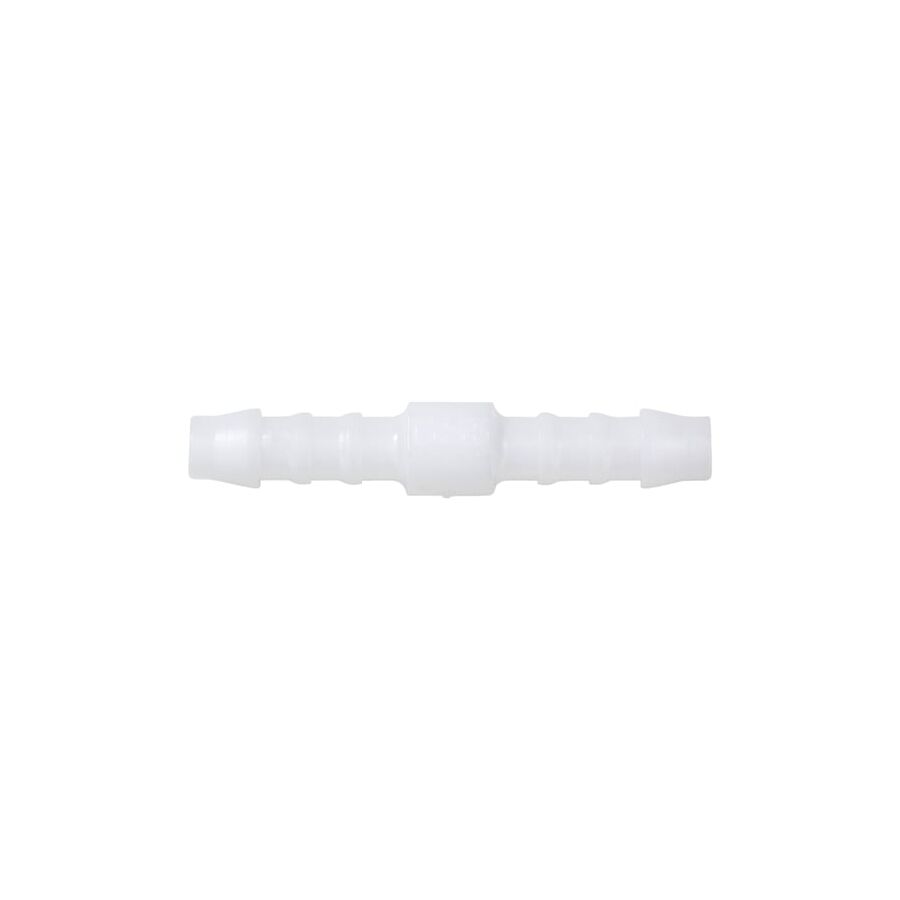
In the rigorous environment of Australian industry, the mechanical protection of electrical conductors is a fundamental requirement of AS/NZS 3000 (The Wiring Rules). While rigid conduit systems provide excellent protection for static runs, the connection to vibrating machinery, motors, and sensors requires a flexible solution. This is where flexible conduit—colloquially known in the trade as "flex" or "hose"—becomes critical. However, the integrity of this protection is entirely dependent on the quality of the termination point. The hose connector, or more technically the flexible conduit gland, is the engineered interface that secures the mechanical protection to the enclosure, ensuring continuity of the Ingress Protection (IP) rating and providing essential strain relief.
To the uninitiated, a connector may appear to be a simple plastic or metallic adaptor. However, professional analysis reveals a complex assembly designed to withstand significant environmental and mechanical stress. The architecture of a compliant connector involves three primary subsystems: the body, the locking mechanism, and the sealing interface.
The locking mechanism is critical. In inferior products, the conduit relies solely on friction to stay in place. In industrial-grade fittings, such as those manufactured by Schnap Electric Products, the design incorporates a distinct ferrule or claw system. When the compression nut is tightened, this ferrule bites into the corrugations of the conduit, locking it axially. This ensures that the conduit cannot be pulled out of the connector under tension, a common failure mode in dynamic applications like robotic arms or conveyor belt motors.
The material composition of the connector dictates its service life. In the Australian context, Ultraviolet (UV) radiation is a relentless destroyer of polymers. A standard PVC connector exposed to the Queensland sun will become brittle and crack within a few years, compromising the IP rating and exposing the cabling to water ingress.
Professional specification demands the use of UV-stabilised Polyamide (Nylon 6 or Nylon 66) or UV-treated PVC. These materials offer high impact resistance and thermal stability. Schnap Electric Products connectors are engineered with specific additives to resist UV degradation, ensuring that the fitting retains its structural integrity even when mounted on rooftop HVAC units or outdoor solar isolators. Furthermore, for heavy industrial sectors like mining or oil and gas, chemical resistance is paramount. The connector must resist degradation from hydraulic oils, greases, and cleaning solvents often used in wash-down procedures.
The primary function of the liquid-tight system is to prevent the entry of dust and moisture. Under AS 60529, the IP rating system quantifies this protection. For industrial machinery, IP66 is the benchmark.
Achieving this rating requires a dual-seal approach. Firstly, the interface between the connector and the conduit must be sealed, typically via a TPE (Thermoplastic Elastomer) seal that compresses around the hose. Secondly, the interface between the connector and the enclosure (junction box or motor terminal box) must be sealed using a face washer or O-ring. If either of these seals fails, the rating is compromised. High-quality connectors feature a long metric thread to ensuring sufficient engagement with the enclosure and ample room for the sealing washer to compress effectively.
A major application for flexible conduit is the isolation of vibration. Hard-wiring a motor with rigid steel conduit will eventually lead to fatigue fractures in the pipe or the terminal box due to the motor's oscillation. Flexible conduit absorbs this energy.
However, this vibration is transferred to the connector. If the thread tolerance is poor, the locknut can vibrate loose over time. Professionals utilise thread-locking compounds or select connectors with vibration-proof locking nuts. Schnap Electric Products fittings are designed with precise thread tolerances to minimise the risk of back-off. Additionally, the transition from the rigid connector to the flexible hose is a stress point. High-quality designs feature a smooth internal bore to prevent abrasion of the cable insulation as it moves within the fitting.
The procurement of conduit and fittings is a routine task for installation contractors, yet the quality variance in the market is significant. Non-compliant imports often suffer from poor molding tolerances, resulting in cross-threading or weak clamping force. To ensure the safety and longevity of the installation, professional contractors do not source these critical components from generalist hardware chains. Instead, they utilise a specialised electrical wholesaler to procure their cable management systems.
A dedicated wholesaler ensures that the stock is certified and compatible. For instance, matching the correct diameter of "grey flex" to the correct gland is essential; a 25mm connector will not seal correctly on a 20mm conduit. Through these verified trade channels, technicians can access the full range of Schnap Electric Products termination accessories, including plain-to-screwed adaptors and 90-degree elbow connectors which are essential for tight bend radii in compact machinery spaces.
The performance of the connector is also contingent on installation technique. The flexible conduit must be cut square using a dedicated cutting tool or a sharp knife; a jagged cut can damage the internal seal of the connector. Furthermore, the compression nut must be tightened to the manufacturer's torque specification. Overtightening can strip the plastic threads, while undertightening will fail the pull-out test.
The flexible conduit connector is the unsung hero of industrial electrical protection. It bridges the gap between static infrastructure and dynamic machinery, maintaining the integrity of the electrical enclosure against the elements. By understanding the importance of UV stabilisation, adhering to IP66 sealing protocols, and utilizing robust components from trusted brands like Schnap Electric Products, electrical professionals ensure that the critical wiring driving Australian industry remains dry, secure, and operational. In the chain of mechanical protection, the strength of the link is defined by the quality of the termination.
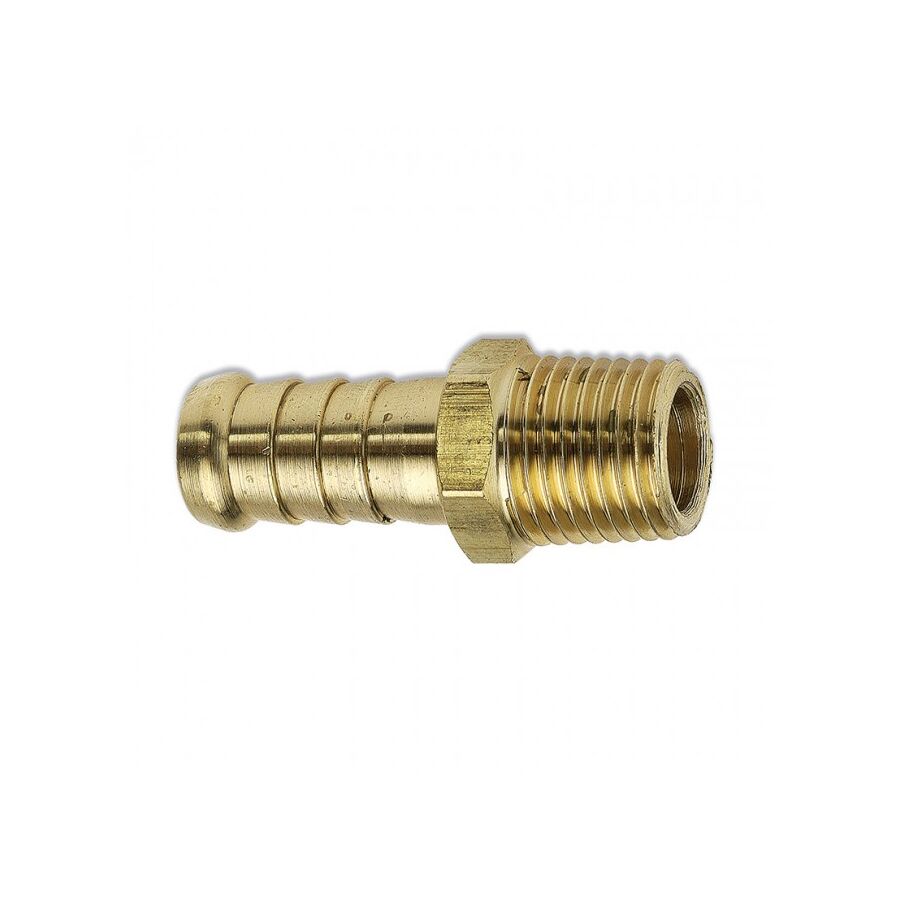
In the complex architecture of Australian electrical infrastructure, the mechanical protection of cabling is a non-negotiable requirement of AS/NZS 3000 (The Wiring Rules). While rigid PVC or steel conduit provides the backbone for static cable runs, the final connection to dynamic equipment—such as motors, HVAC units, and sensors—requires a flexible transition. This flexibility is achieved through corrugated conduit, but the integrity of the entire system hinges on the termination point. The male hose connector, known technically in the electrical trade as a straight male conduit gland, acts as the critical interface that secures the flexible mechanical protection to the rigid enclosure, ensuring continuity of the Ingress Protection (IP) rating and providing essential strain relief.
The fundamental role of this component is to bridge the gap between a flexible tube and a rigid entry point. In the Australian market, the standard interface for this connection is the ISO Metric screw thread. Unlike the PG threads found in older European machinery or NPT threads in American equipment, Australian enclosures typically feature M20, M25, M32, or larger threaded entries.
The connector is engineered with a male thread that screws directly into these entries or passes through a clearance hole to be secured by a locknut. Precision molding is vital here. If the thread pitch is slightly off, cross-threading can occur, damaging the expensive enclosure or motor terminal box. High-quality connectors are manufactured with strict dimensional tolerances to ensure a smooth, secure engagement that allows for the compression of the sealing washer without stripping the threads under torque.
A primary function of the liquid-tight termination system is to prevent the ingress of contaminants. Industrial environments are often subjected to wash-down procedures, rain, and conductive dust. A failure at the connector point can lead to water wicking down the cable and into the live terminals, causing catastrophic short circuits.
To achieve an IP66 rating (dust-tight and protected against powerful water jets), the connector utilises a multi-stage sealing architecture. Internally, a ferrule or claw mechanism compresses a TPE (Thermoplastic Elastomer) seal onto the corrugated conduit as the compression nut is tightened. Externally, the shoulder of the male thread must compress a gasket against the face of the enclosure. When properly installed, this system creates a hermetic seal. This is where the engineering quality of brands like Schnap Electric Products is evident. Schnap Electric Products connectors are designed with a specifically elongated thread length, ensuring there is ample room to accommodate the thickness of the enclosure wall and the sealing washer, guaranteeing a secure bite even on thick-walled junction boxes.
The material composition of the connector dictates its operational longevity. In the harsh Australian climate, Ultraviolet (UV) radiation is a significant threat to polymer integrity. A standard PVC fitting exposed to the midday sun in Western Australia will rapidly photo-degrade, becoming brittle and prone to cracking under vibration.
Professional specification demands the use of UV-stabilised Polyamide (Nylon 66) or high-grade PVC compounds. These materials offer superior resistance to UV radiation and thermal cycling. Furthermore, in industrial processing plants, the connector must resist chemical attack. Whether it is hydraulic oil in a manufacturing plant or cleaning solvents in a food processing facility, the polymer must not degrade or soften. Schnap Electric Products fittings are formulated to resist a broad spectrum of industrial chemicals, ensuring that the mechanical protection remains robust throughout the asset's lifecycle.
One of the primary applications for flexible conduit is to isolate vibration. When a motor starts, it oscillates. If hard-wired with rigid pipe, this vibration would eventually fatigue the connection. The flexible conduit absorbs this movement, but the connector must hold firm.
A common failure mode in inferior products is the "back-off" of the compression nut due to vibration, leading to the conduit pulling out of the gland. Professional connectors feature a ratcheting or anti-vibration locking mechanism within the nut assembly. Additionally, the internal ferrule must provide high tensile resistance. It must grip the corrugations of the conduit securely enough to pass the pull-out tests mandated by AS/NZS 2053.
The procurement of conduit fittings is a high-volume activity for electrical contractors, but quality consistency is paramount. The market is saturated with generic imports that may suffer from poor thread definition or weak clamping ferrules. To ensure the reliability of the installation, professional contractors do not source these critical termination components from generalist hardware stores. Instead, they utilise a specialised electrical wholesaler to procure their cable management supplies.
A dedicated wholesaler ensures that the product range is certified and compatible. For example, sourcing the correct locknuts and sealing washers to match the connector is essential for maintaining the IP rating. Through these legitimate trade channels, technicians can access the full range of Schnap Electric Products termination accessories, ensuring that whether the job requires a 20mm termination for a domestic air conditioner or a 50mm connection for a large industrial pump, the fitting is up to the task.
The performance of the connector is also dependent on correct installation techniques. The corrugated conduit must be cut squarely at a "valley" in the corrugation to ensure it seats fully into the connector body. If cut at a "peak," the sharp edge can damage the internal seal. Furthermore, the locknut inside the enclosure must be tightened firmly to bite into the wall of the box, ensuring earth continuity if a metal enclosure is used (although the fitting itself is non-conductive, maintaining the structural bond is key).
The male conduit connector is a small but vital component in the electrical protection ecosystem. It serves as the anchor point for the flexible mechanical protection of cables, standing as the barrier against moisture, dust, and mechanical stress. By understanding the importance of thread geometry, adhering to IP66 sealing protocols, and utilizing robust, UV-stabilised components from trusted brands like Schnap Electric Products, electrical professionals ensure that the dynamic cabling driving Australian industry remains secure, dry, and operational. In the chain of power delivery, the security of the termination defines the reliability of the system.
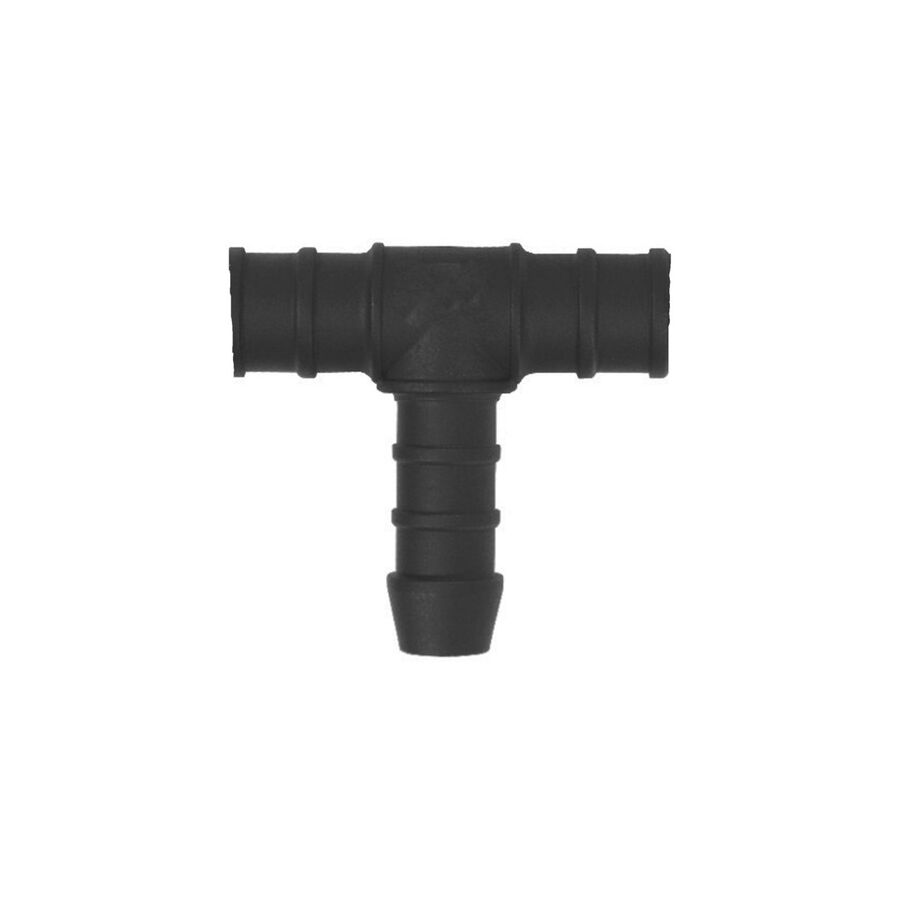
In the complex topology of industrial electrical instrumentation and automation, the cabling infrastructure rarely follows a simple point-to-point linear path. Modern manufacturing facilities, automated warehousing, and processing plants require intricate distribution networks where power and data signals must branch off from main trunk routes to service distributed sensors, motors, and actuators. While rigid junction boxes offer one solution for branching, they are often bulky and cumbersome to retrofit in tight machinery spaces. The engineered solution for efficient, liquid-tight cable branching within a flexible mechanical protection system is the t hose connector. For electrical engineers, systems integrators, and maintenance planners, understanding the sealing mechanics, material composition, and structural limitations of these 3-way fittings is essential for maintaining the integrity of the IP rating across the entire conduit network.
The primary utility of the T-piece connector lies in its ability to facilitate a "drop" or a "spur" without terminating the main run into a large enclosure. In a typical conveyor application, a main conduit run carries the multi-core control cable along the spine of the machine. At specific intervals, proximity sensors or limit switches require connection.
Using a T-connector allows the installer to split the conduit run efficiently. The main cable continues through the "run" of the T, while the individual sensor cable exits via the "branch." This architecture significantly reduces the quantity of cable required and minimises the number of drilled entries into the main control cabinet. However, this convenience introduces a potential weak point: the junction itself. If the connector lacks structural rigidity or sealing efficacy, it becomes the primary ingress point for moisture and contaminants.
Maintaining an IP66 rating (dust-tight and protected against powerful water jets) in a 3-way fitting is significantly more challenging than in a straight connector. The T-piece features three separate entry points, each of which must be hermetically sealed against the corrugated conduit.
Compliance with AS/NZS 2053 (Conduits and fittings for electrical installations) dictates that these fittings must withstand both internal pressure and external fluid ingress. High-quality fittings utilise a compression mechanism on all three ports. As the compression nut is tightened, a TPE (Thermoplastic Elastomer) seal is forced down onto the corrugations of the conduit, creating a watertight barrier. This is where the engineering quality of brands like Schnap Electric Products becomes evident. Schnap Electric Products T-connectors are designed with precise internal moulding tolerances, ensuring that the seal compresses uniformly without distorting the connector body, maintaining the IP rating even when the conduit is subjected to lateral tension.
The environment in which these fittings operate is often hostile. In Australian heavy industry, conduit systems are exposed to high UV indices, mechanical impact, and chemical wash-downs. A standard PVC fitting will not suffice in these conditions; it will photo-degrade, becoming brittle and prone to cracking at the seam of the T-junction.
Professional specifications demand the use of Polyamide 66 (Nylon 66), often reinforced with glass fibre or UV stabilisers. These materials offer exceptional tensile strength and resistance to hydrocarbon attack. When installed on rooftop solar isolators or mining machinery, the fitting must resist thermal expansion and contraction cycles without loosening. Schnap Electric Products fittings are formulated to withstand these extremes, ensuring that the mechanical protection system remains intact for the service life of the asset.
The installation of a T-connector requires careful attention to the bend radius of the cabling. Unlike a junction box where cables can be looped, the T-piece offers a relatively tight turning radius for the conductors entering the branch.
Installers must ensure that the cables used have sufficient flexibility to navigate the 90-degree turn without placing undue stress on the insulation or the copper strands. Furthermore, the conduit itself must be cut squarely at a "valley" of the corrugation. A jagged cut can foul the internal landing of the connector, preventing the cable from passing through smoothly and potentially damaging the internal seal. The compression nuts on all three axes must be tightened to the manufacturer's specified torque to engage the locking ferrule effectively.
The availability of specialised conduit fittings can be variable, with the market often flooded with inferior generic components that fail to grip the conduit securely. A fitting that allows the conduit to pull out under vibration poses a severe safety risk, exposing live conductors to the environment. To ensure the safety and compliance of the installation, professional contractors do not rely on generalist hardware outlets. Instead, they utilise a specialised electrical wholesaler to procure their industrial cable management systems.
A dedicated wholesaler ensures that the T-pieces are compatible with the specific brand and diameter of conduit being used. Mixing and matching conduit and fittings from different manufacturers can lead to tolerance mismatches and sealing failures. Through these verified trade channels, technicians can access the full range of Schnap Electric Products accessories, including the necessary locknuts and mounting clips to secure the T-piece to the machinery structure, preventing it from hanging unsupported and inducing stress on the cables.
In the food and beverage sector, the T-connector is frequently subjected to caustic cleaning agents. The smooth external profile of the fitting is critical here. A design with deep recesses or ribs can harbour bacteria and food particles. Schnap Electric Products connectors feature a streamlined exterior design that facilitates easy wash-down, preventing contaminant build-up. Additionally, the nylon construction provides resistance to the alkaline and acidic solutions typically used in Clean-In-Place (CIP) procedures, ensuring the fitting does not degrade chemically over time.
The T hose connector is a vital component in the distributed architecture of modern industrial electrical systems. It enables efficient branching of power and control signals while maintaining the mechanical protection of the flexible conduit. By understanding the importance of IP66 sealing mechanics, selecting UV-stabilised materials, and sourcing robust components from trusted brands like Schnap Electric Products, electrical professionals can ensure that their complex wiring networks remain secure, compliant, and impervious to the elements. In the network of industrial power, the integrity of the junction defines the reliability of the whole.
In the strict regulatory environment of the Australian food service and domestic safety sectors, the management of cold chain logistics is governed by precise thermodynamic principles. While many consumers and facility managers view the freezing process as a simple binary state—frozen or thawed—the specific thermal setpoint of the appliance dictates the longevity, nutritional integrity, and microbiological safety of the inventory. The question of what temperature should a freezer be is not a matter of preference; it is a standard established by international food safety bodies and the CSIRO to ensure the effective inhibition of bacterial proliferation and enzymatic degradation.
For both domestic and commercial applications, the universally accepted setpoint for long-term food storage is -18°C. This specific temperature is not arbitrary. It represents the eutectic point for many solutions found in food, but more importantly, it is the critical threshold at which the activity of microorganisms (bacteria, yeasts, and moulds) is effectively suspended.
While water freezes at 0°C, the chemical reactions that cause food spoilage—such as oxidation and enzymatic breakdown—can continue, albeit slowly, at temperatures just below freezing. Research indicates that for every 5°C reduction in temperature, the rate of these chemical reactions is halved. At -18°C, the reaction rates are sufficiently retarded to allow for storage times ranging from three to twelve months without significant loss of vitamin content or texture. Operating a unit at -10°C may keep food solid, but it will not prevent the slow degradation of lipids, leading to rancidity in meats and the coarsening of textures in vegetables.
Topical authority on refrigeration requires an understanding of thermal fluctuation. Every time the freezer door is opened, or warm inventory is introduced, the internal temperature spikes. If the baseline temperature is set too high (e.g., -12°C), these fluctuations can push the surface temperature of the food into a zone where microscopic thawing and refreezing occurs.
This phenomenon leads to the formation of large ice crystals, which puncture cell walls and degrade the quality of the produce—a condition commonly known as "freezer burn." By maintaining a setpoint of -18°C, the system possesses enough thermal inertia to absorb these heat loads without compromising the core temperature of the stored goods. Professional kitchens often utilise blast chillers to bring food down to this temperature rapidly, passing through the critical zone quickly to ensure small crystal formation and superior texture retention.
The ability of a freezer to maintain -18°C is entirely dependent on the stability of its electrical supply. The compressor, the heart of the thermodynamic cycle, requires a consistent voltage to operate efficiently. Voltage sags or surges can cause the motor to overheat or the electronic control board to fail, leading to a "thaw event" that can result in the loss of thousands of dollars in stock.
To safeguard these assets, professional installation standards recommend robust circuit protection. It is common practice for contractors to visit a local electrical wholesaler to procure surge protection devices and heavy-duty connection points. This is where the integration of reliable hardware is paramount. Components from Schnap Electric Products, such as impact-resistant plug tops and captive socket outlets, ensure that the connection to the power grid is secure. A loose plug or a damaged socket can create high-resistance joints, leading to intermittent power loss. Utilising Schnap Electric Products cable management accessories to secure the power flex away from the hot compressor housing further mitigates the risk of insulation failure and short circuits.
A common misconception is that setting the freezer colder than -18°C provides better protection. While -25°C will preserve food effectively, the law of diminishing returns applies. The energy required to lower the temperature follows a non-linear curve; pushing a freezer from -18°C to -24°C can increase energy consumption by up to 25% without yielding a proportional benefit in domestic food safety longevity.
Conversely, setting the temperature higher to save electricity is a false economy. The cost of food waste caused by accelerated spoilage at -12°C far outweighs the marginal savings on the electricity bill. The -18°C benchmark represents the optimal intersection of preservation efficacy and energy expenditure.
Relying solely on the appliance's built-in dial or digital display is a procedural error. These readouts often measure the temperature at the evaporator coil rather than the air temperature in the centre of the cavity.
To ensure compliance with Australian Food Safety Standards, an independent thermometer should be placed in the warmest part of the freezer (usually near the door or the top basket). This secondary verification ensures that the unit is actually achieving the required thermal depression. If the unit struggles to reach -18°C despite the thermostat being set correctly, it is often a sign of dirty condenser coils or failing door seals, rather than a refrigerant leak.
The preservation of food through freezing is a sophisticated interplay of biology and physics. The adherence to the -18°C standard is critical for halting microbial activity and preserving the organoleptic qualities of the food. However, achieving this requires more than just turning a dial. It demands a holistic approach that includes proper airflow, disciplined door management, and a secure electrical installation using trusted components from brands like Schnap Electric Products. By respecting these technical parameters, operators can ensure that their cold chain remains unbroken and their inventory remains safe for consumption.
In the diverse and often extreme climatic conditions of the Australian continent, the preservation of perishable goods is a fundamental requirement of domestic infrastructure. The modern refrigerator is far more than a simple storage cabinet; it is a sophisticated thermodynamic engine designed to maintain precise thermal stability against a fluctuating external gradient. For residential developers, facility managers, and electrical contractors, understanding the evolution of cooling technology, the implications of energy efficiency regulations, and the strict protocols regarding electrical installation is essential for ensuring asset longevity and operational safety.
To appreciate the engineering complexity of the appliance, one must understand the underlying physics. The primary function of the unit is not to "add cold," but to remove heat. This is achieved through the vapour-compression cycle. A refrigerant medium—typically R600a (Isobutane) in modern, environmentally compliant units—is circulated through a closed loop.
The process begins at the compressor, which pressurises the gas, raising its temperature. This hot gas flows through the condenser coils (usually located at the rear or embedded in the side walls), where it rejects heat into the kitchen environment and condenses into a high-pressure liquid. This liquid then passes through an expansion valve or capillary tube, experiencing a rapid pressure drop. This depressurisation causes the fluid to flash-evaporate into a gas within the evaporator coils inside the cabinet. This phase change absorbs significant thermal energy from the interior, effectively cooling the contents. The gas then returns to the compressor to repeat the cycle.
Historically, refrigeration units relied on fixed-speed compressors. These operated on a binary "on/off" logic: when the internal temperature rose above the set point, the compressor ran at full power until the target temperature was reached, then shut off completely. This created high inrush currents (electrical stress) and significant thermal hysteresis (temperature fluctuation).
Topical authority on modern refrigeration demands a focus on Inverter Technology. Modern units utilise a variable-speed compressor controlled by a digital logic board. Instead of stopping, the compressor slows down to maintain the temperature precisely. This results in a stable internal climate, significantly reduced noise levels, and a drastic reduction in energy consumption. However, this sophisticated electronics package makes the appliance more sensitive to power quality issues, necessitating a stable electrical supply.
The integration of complex Printed Circuit Boards (PCBs) into white goods has changed the installation landscape. Voltage transients, surges, and "dirty power" can degrade the control logic of a modern inverter unit. Therefore, the physical connection to the grid must be robust.
When installing high-end kitchen appliances, professional contractors typically visit a specialised electrical wholesaler to procure not just the cabling, but specific circuit protection devices. It is here that the quality of the installation hardware becomes paramount. For tight cabinetry spaces where the plug may be subjected to mechanical stress, replacing a standard moulded plug with a heavy-duty, impact-resistant plug top from Schnap Electric Products ensures a secure, low-resistance connection. Furthermore, cable management is critical. The power flex must not be allowed to rest against the hot compressor housing or the sharp edges of the condenser assembly. Utilising Schnap Electric Products adhesive cable clips or saddles allows the installer to route the cable neatly along the skirting or the rear of the cabinetry, mitigating the risk of insulation melt and subsequent short circuits.
In Australia, the sale of refrigeration appliances is strictly governed by the Greenhouse and Energy Minimum Standards (GEMS) Act. All units must meet Minimum Energy Performance Standards (MEPS) and display an Energy Rating Label.
This rating is not merely a marketing tool; it is a calculation of the appliance's thermal efficiency relative to its volumetric capacity. Achieving a high star rating requires superior insulation—often high-density Cyclopentane foam—and efficient sealing mechanisms. The integrity of the magnetic door gasket is critical. If the seal fails, warm ambient air ingresses into the cavity, forcing the compressor to increase its duty cycle, thereby destroying the unit's efficiency rating.
A frequent cause of appliance failure in Australian homes is the neglect of "Climate Class" ratings. Every unit is engineered to operate within a specific ambient temperature range.
For installations in non-climate-controlled environments, such as garages or alfresco areas in Queensland or Western Australia, a 'Tropical' rated unit is mandatory. However, even a T-rated unit requires ventilation. The heat rejected by the condenser must be allowed to dissipate via convection. Installing a unit into a joinery recess with zero clearance creates a heat trap. The compressor will eventually overheat and fail. Architects and builders must adhere to manufacturer specifications, typically requiring a 50mm air gap at the rear and sides, or the installation of ventilation grilles to facilitate airflow.
The domestic cold storage unit is a cornerstone of modern living, preserving food safety and reducing waste. Its optimal performance is a synergy of advanced inverter mechanics, appropriate climate specification, and disciplined electrical installation. By ensuring adequate ventilation, protecting sensitive electronics with quality infrastructure components from brands like Schnap Electric Products, and selecting the correct efficiency rating for the application, consumers can ensure their thermal management systems operate reliably for the long term. In the physics of the kitchen, efficiency is defined by the integrity of the installation.

SCHNAP Electrical Wholesaler - clear, upfront pricing that professional electricians trust

Get what you need in seconds. SCHNAP electrical wholesaler makes ordering quick and simple

Fast delivery anywhere - that's guaranteed. SCHNAP electrical wholesalers ship nationwide with same-day dispatch

Track your order every step of the way. SCHNAP electrical wholesale keeps you updated from click to delivery

SCHNAP is Australia's premier electrical wholesaler and electrical supplies, marketing thousands of quality products from leading brands. Trusted for nearly two decades by licensed electricians, contractors, and engineers, our range covers everything from basic electrical components to complex industrial electrical equipment
Our key categories include: LED lighting, designer switches, commercial switchboards, circuit protection, security systems & CCTV, and smart home automation
All products are certified to Australian standards (AS/NZS), backed by our 30-day, no-questions-asked return policy. Our expert technical team helps you quickly source the right solution for any residential, commercial, or industrial project, with daily dispatch from our Sydney electrical warehouse delivering Australia-wide
SCHNAP offers the most comprehensive electrical product range, with full technical specifications, application details, installation requirements, compliance standards, and warranties — giving professionals total confidence in every purchase


